Capsule Wardrobe: What It Means and How to Build One
A capsule wardrobe is a tight edit of clothes that mix easily. Learn the meaning, origin, key pieces and common mistakes before you build one.
STYLEFINDEN editorial review: checked before publication for wearability, proportion logic and real-life outfit use. We explain our editorial method and image policy on the About page and keep affiliate independence details in the affiliate disclosure.
A capsule wardrobe is a small, deliberately chosen set of clothes designed to work together — usually somewhere between 25 and 40 pieces, built around a neutral base so that most items can be worn with most other items. The point isn't owning less for its own sake. It's owning less that actually earns its closet space.
If you've ever stood in front of a full closet and felt like you had nothing to wear, that's the exact problem a capsule wardrobe is built to solve.
What Is a Capsule Wardrobe?
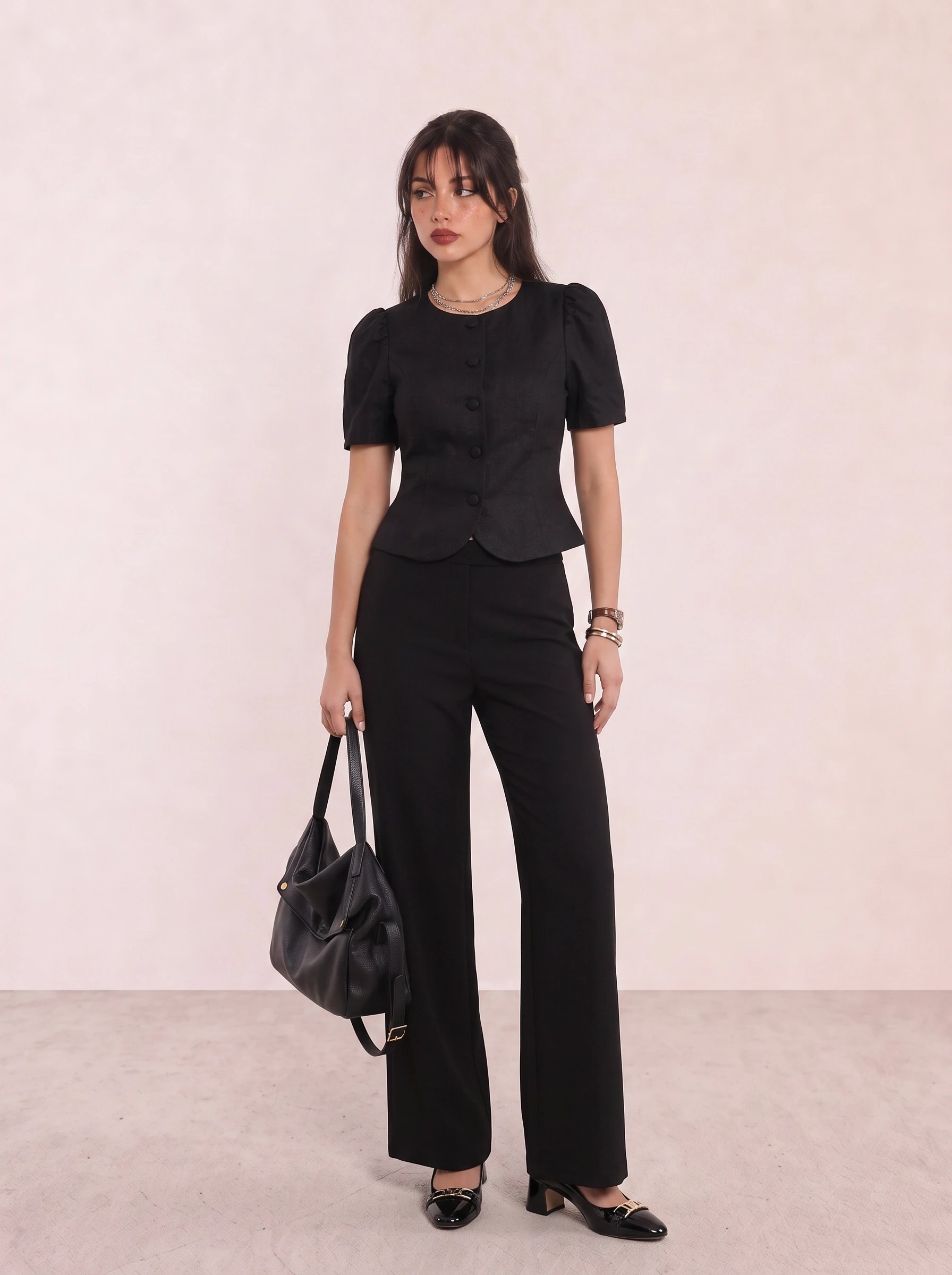
A capsule wardrobe is a curated collection of essential clothing items — typically neutral-toned tops, bottoms, outerwear, and a handful of shoes — chosen specifically because they combine with each other in multiple ways. A well-built capsule of 30 pieces can produce well over 100 distinct outfits, because every piece is selected for compatibility rather than for standing alone.
Where the Capsule Wardrobe Trend Came From
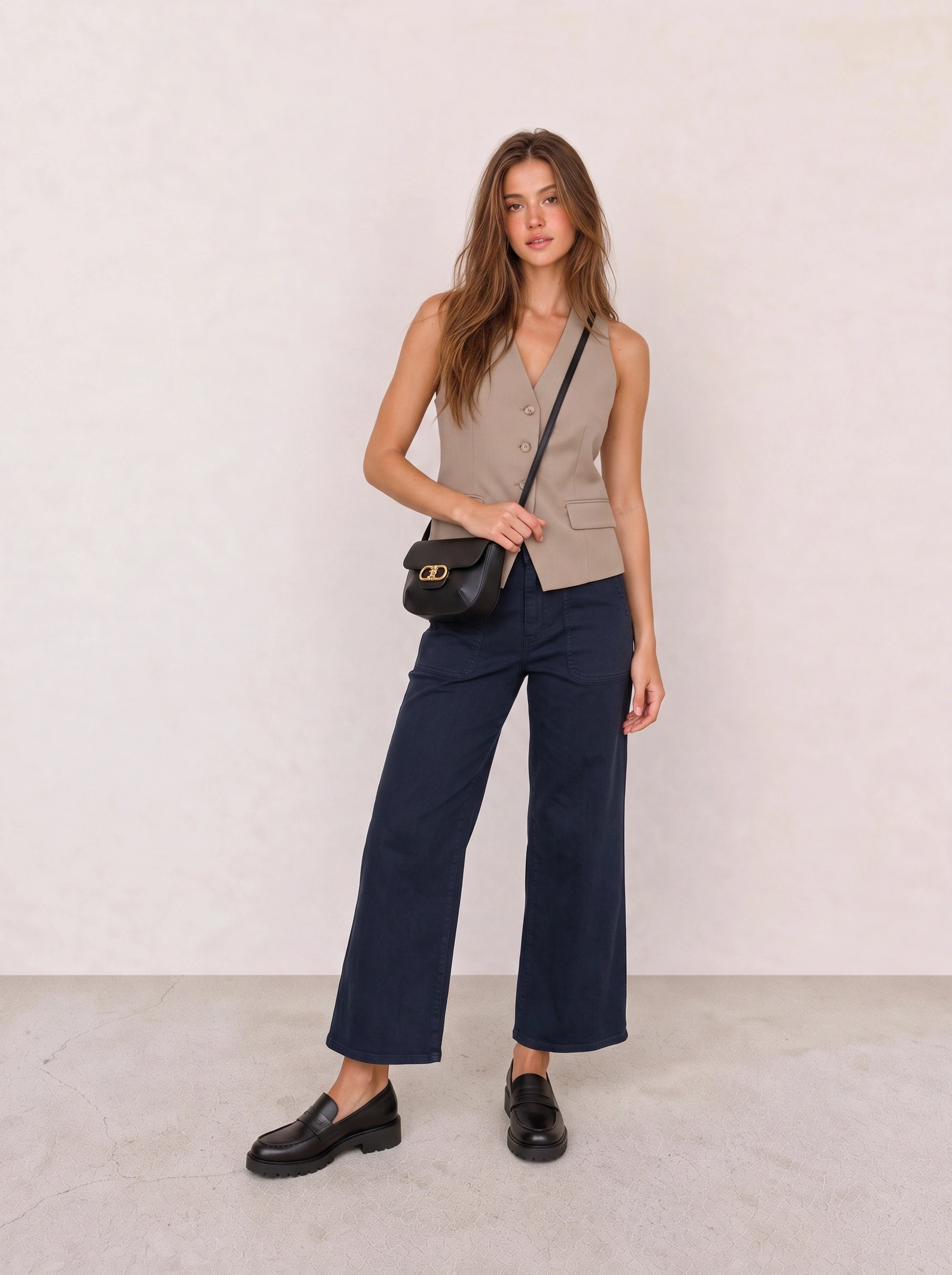
The term dates back further than most people assume. Susie Faux, who ran a London boutique called Capsule in the 1970s, coined it to describe a core group of timeless pieces — a good coat, a great blazer, well-cut trousers — that a woman could add seasonal, trend-driven pieces to without ever needing to rebuild the whole wardrobe. Donna Karan brought the idea to a mass American audience in 1985 with her "Seven Easy Pieces" collection, a small system of interchangeable separates built for real working women who didn't have time to reinvent their outfit every morning.
The concept resurfaced hard in the past few years for a different reason: quiet luxury and conscious-consumption dressing both reward exactly this kind of restraint. When the goal is fewer, better pieces that photograph as expensive without a single logo in sight, the capsule model is the mechanism that makes it possible, not just an aesthetic preference.
How to Build a Capsule Wardrobe
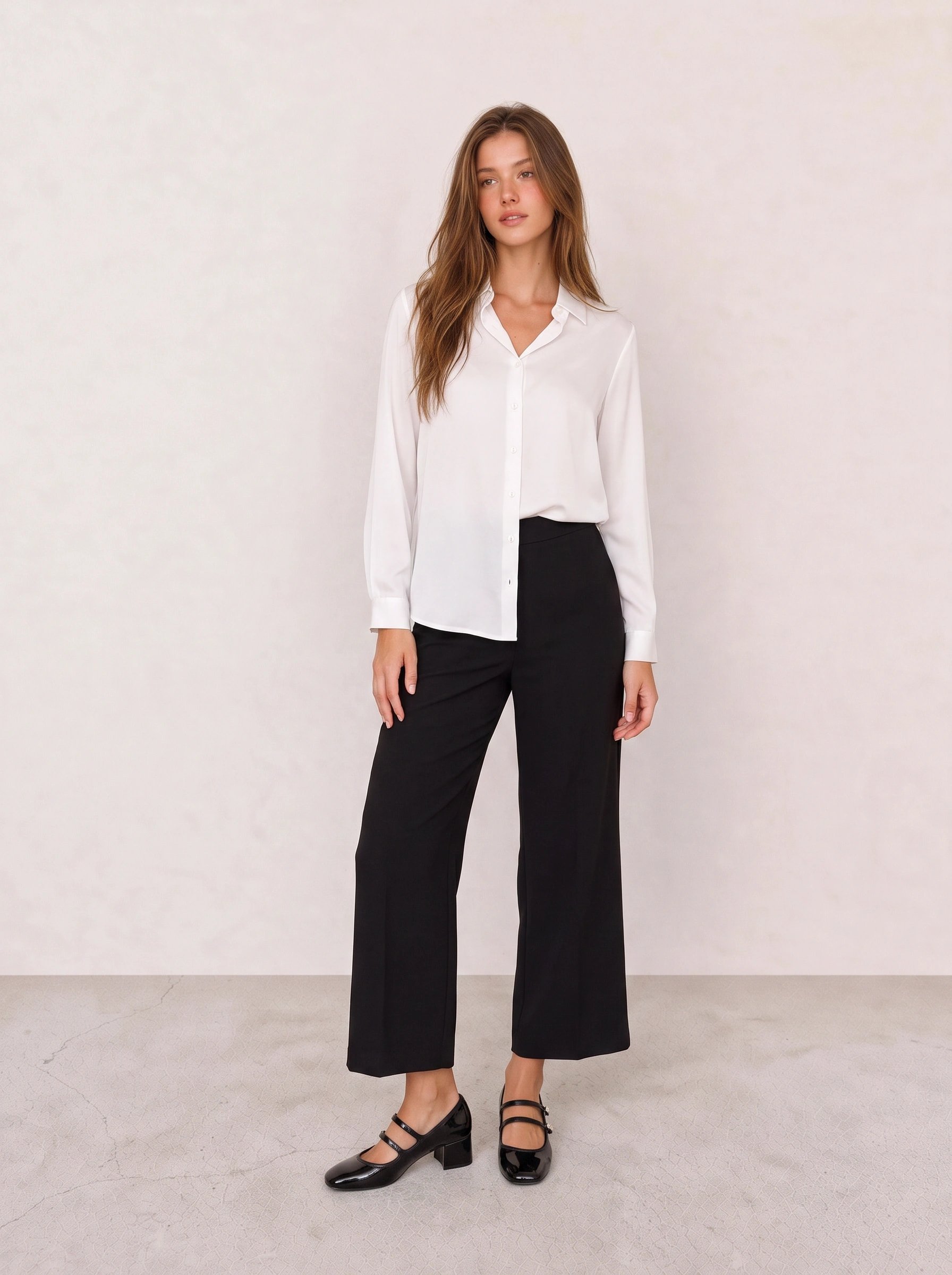
Start with a neutral base — black, white, navy, camel, grey — before adding a single trend piece. Neutrals are what let 30 items generate 100 outfits; a bright print can only ever be worn with the two or three things it was bought to match.
Aim for 30 to 40 pieces total, not fewer. Most people who try a 20-piece capsule abandon it within a season because it's too restrictive for real life — work, weekends, weather changes. The number that actually sustains itself long-term sits closer to the high 30s once you count shoes and outerwear.
Think in cost-per-wear, not sticker price. A $200 blazer worn 80 times a year costs $2.50 per wear. A $40 trend top worn three times before it's discarded costs over $13 per wear. The capsule model rewards you for buying fewer, sturdier pieces precisely because you'll actually wear them out.
Leave room for one or two "personality" pieces — a bold color, a print, a statement shoe. A capsule that's entirely neutral starts to feel like a uniform rather than a wardrobe. The trick is keeping that ratio small enough that the accent pieces still get worn often, not shelved for a special occasion that never comes.
Related Styles and Outfits
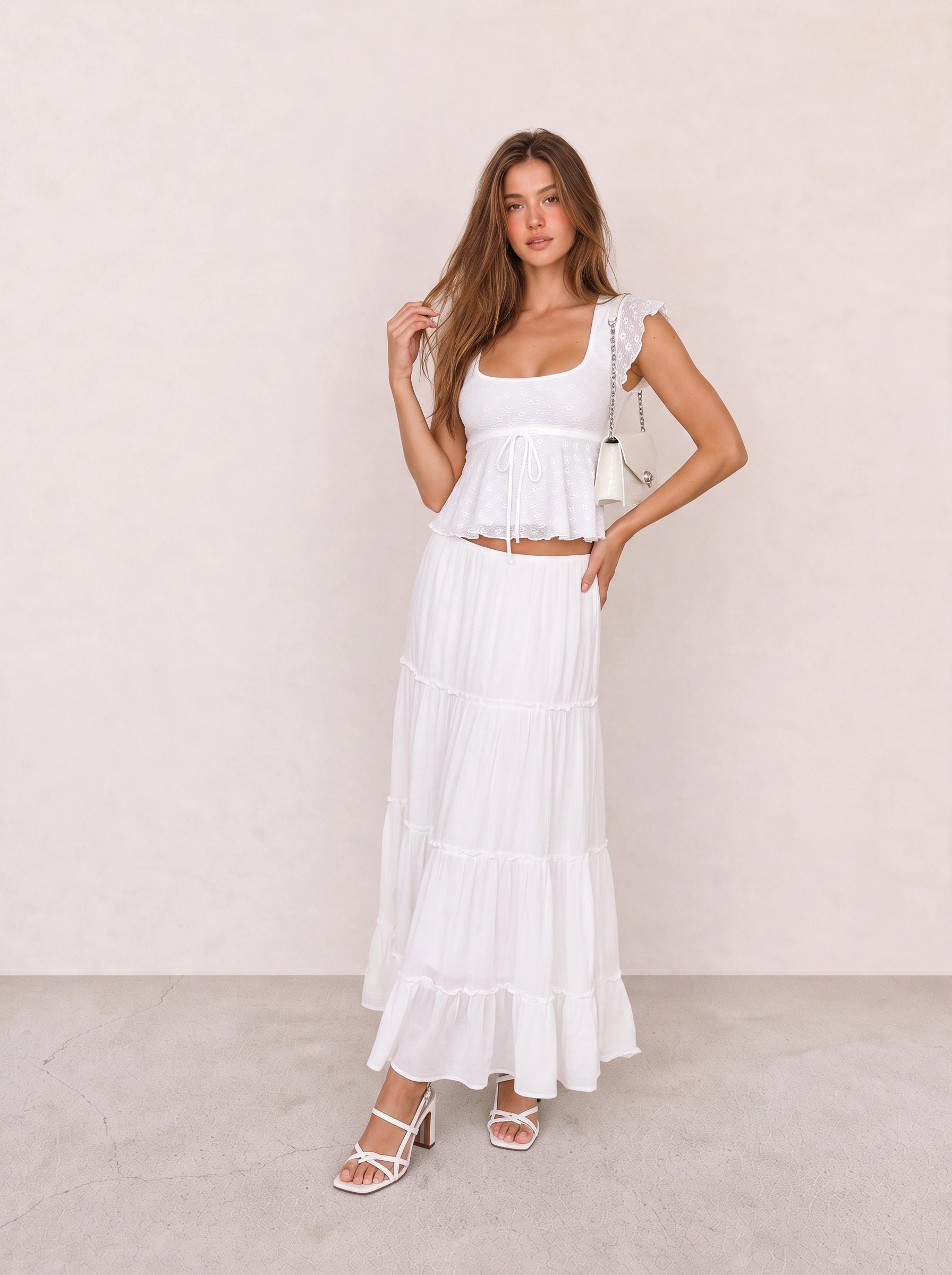
A capsule wardrobe isn't a single aesthetic, but a few style profiles map onto it almost perfectly. The minimalist and classic profiles both run on the same neutral, mix-and-match logic a capsule depends on, while the old money look is essentially a capsule dressed up — quiet, timeless pieces chosen to last rather than to trend.
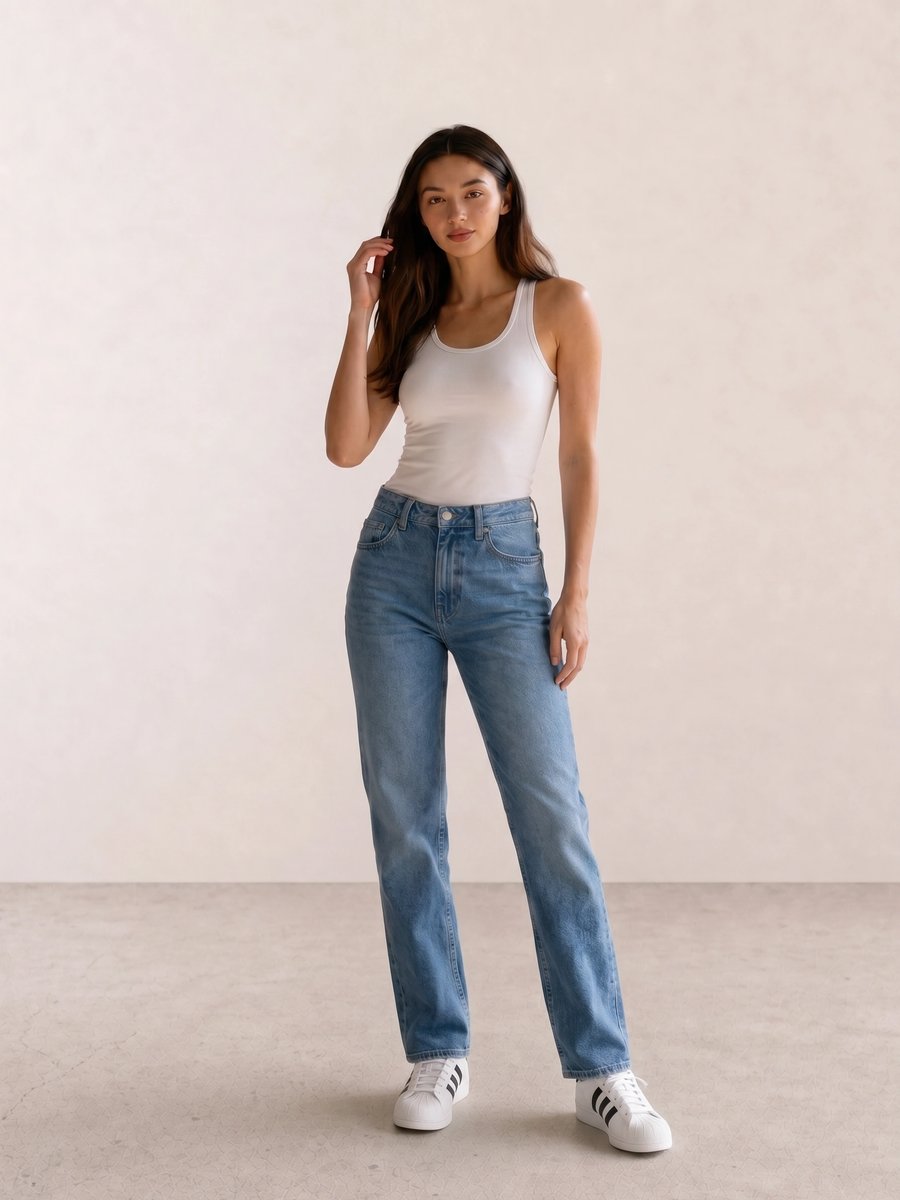
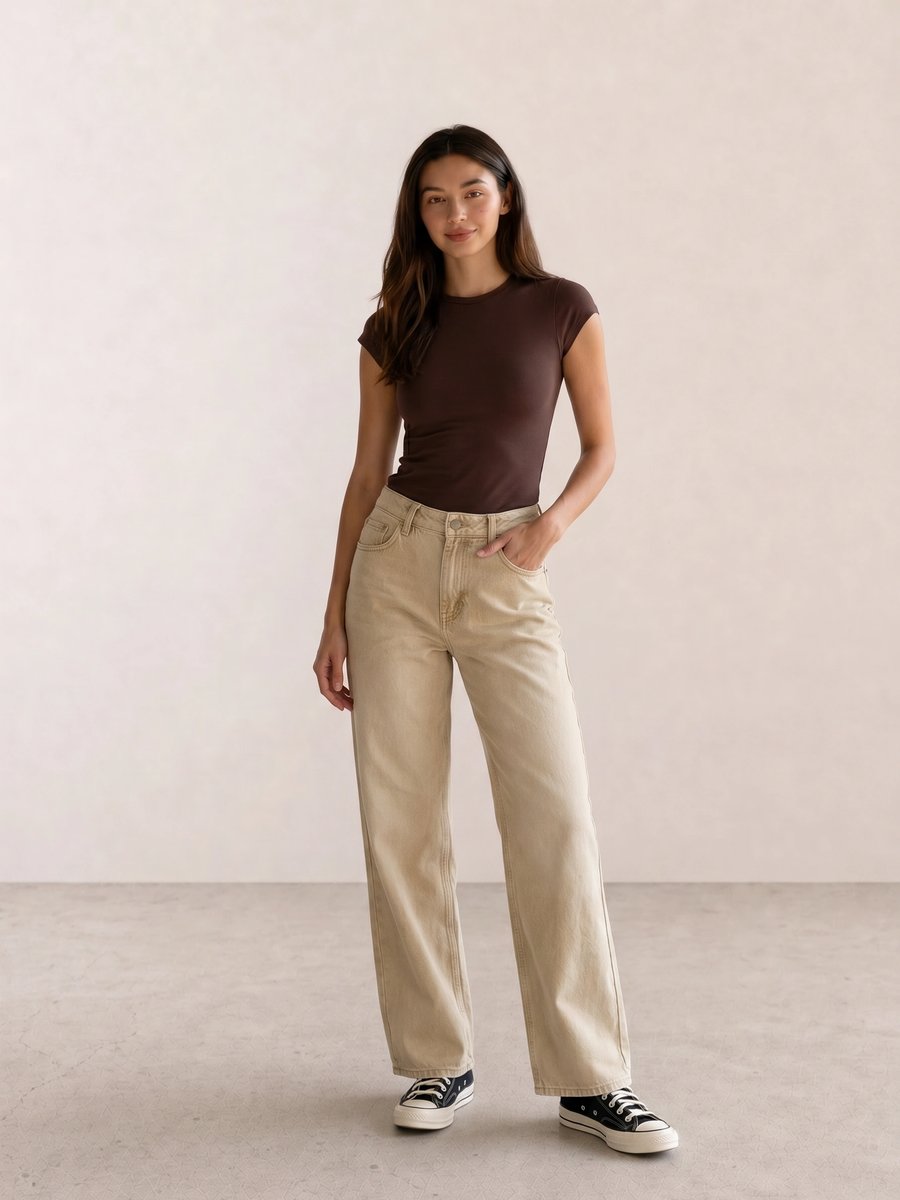
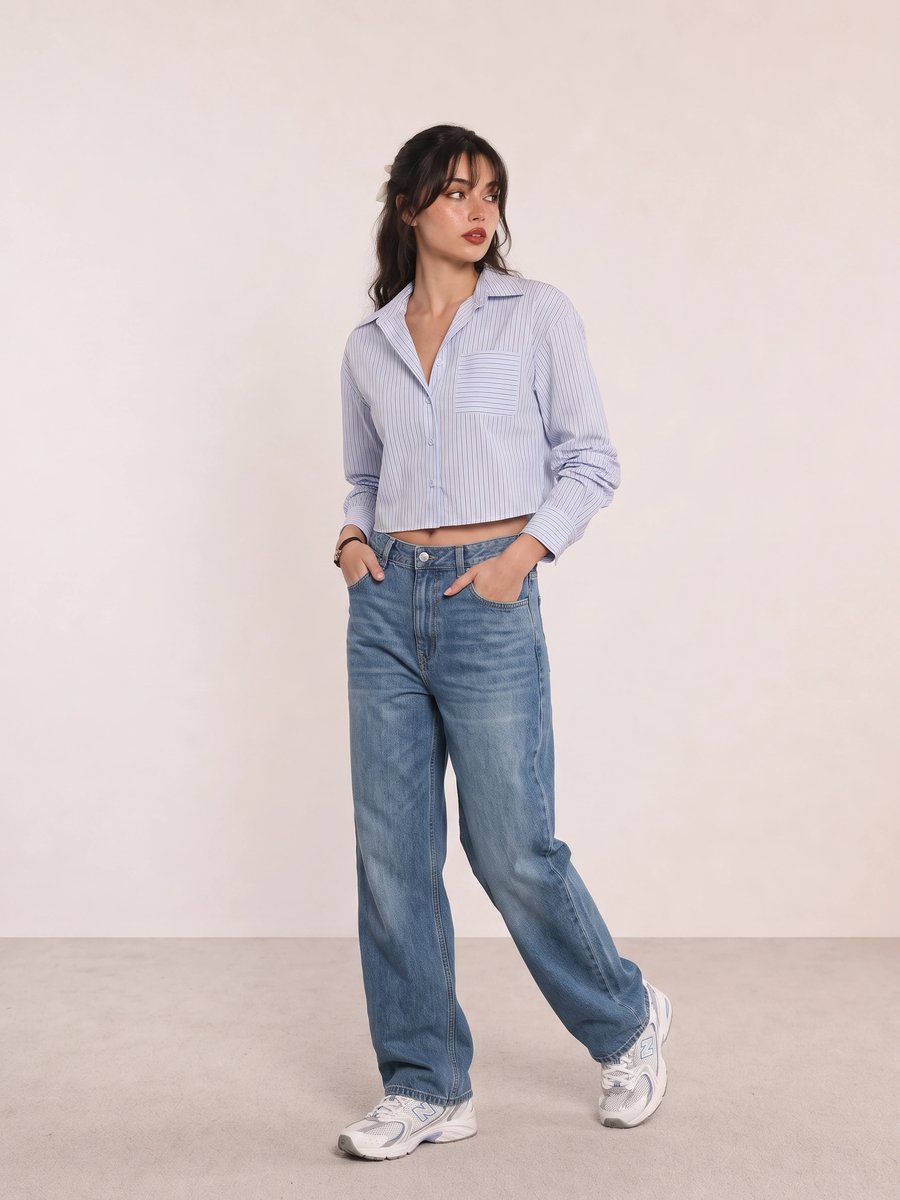
For the basic casual version of a capsule, start with the outfit formulas you can repeat without thinking. White notch-neck tee with blue straight jeans gives you the clean white-top-and-denim base; brown cap-sleeve tee with ecru straight jeans uses the same shape but warms up the palette, so the pieces still mix with black, cream, tan, and denim.
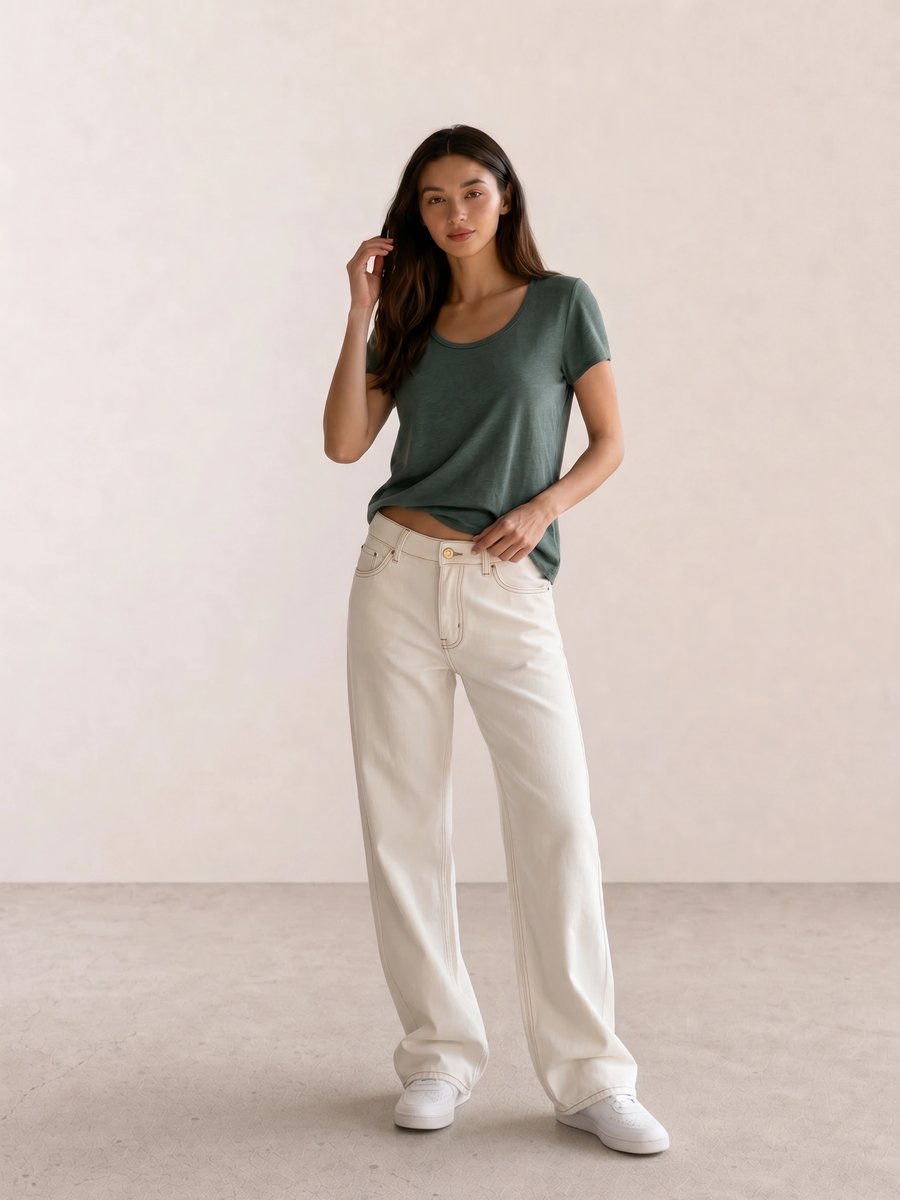
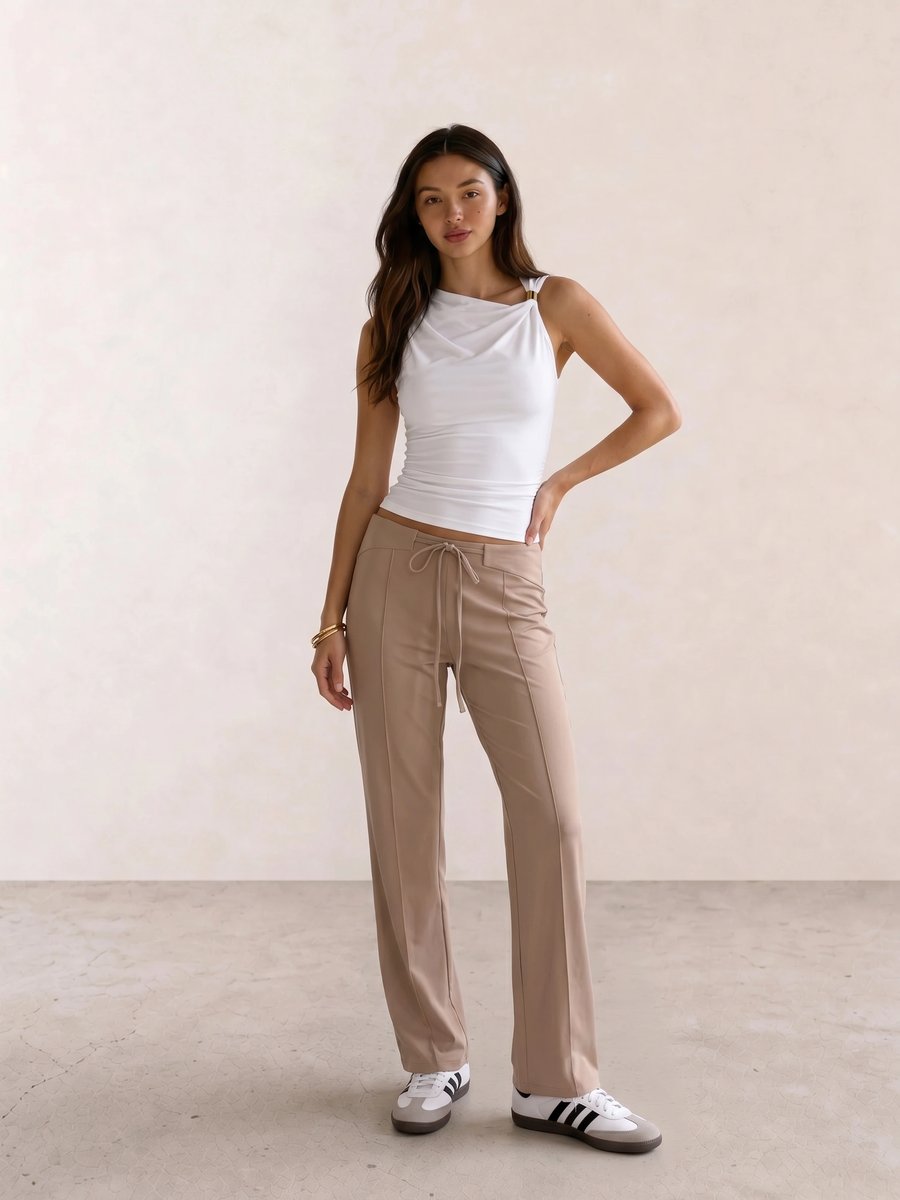
Soft neutrals help a small wardrobe feel less repetitive. The sage scoop tee with cream wide-leg jeans outfit keeps color low-contrast, while the white draped tank with beige drawstring trousers shows how a relaxed trouser can replace denim without making the capsule feel dressy.
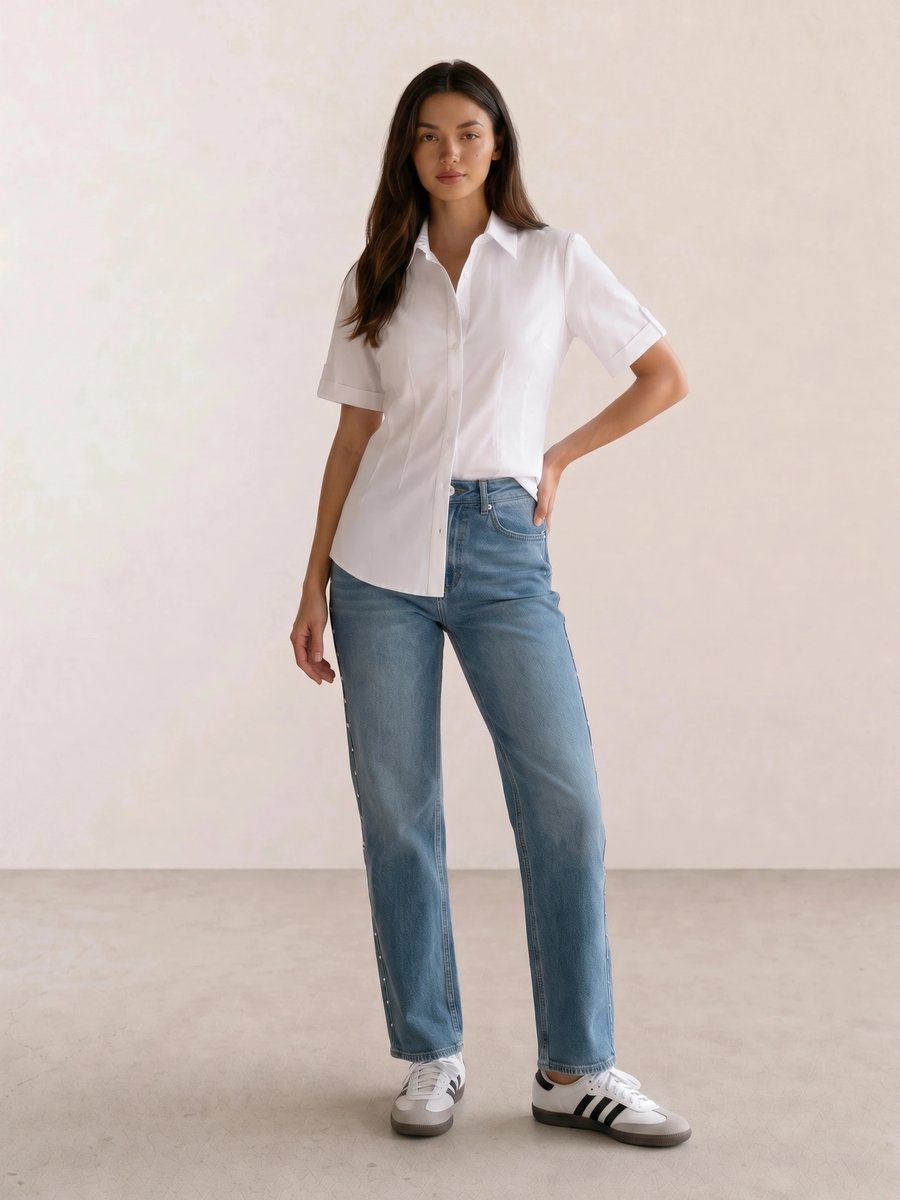
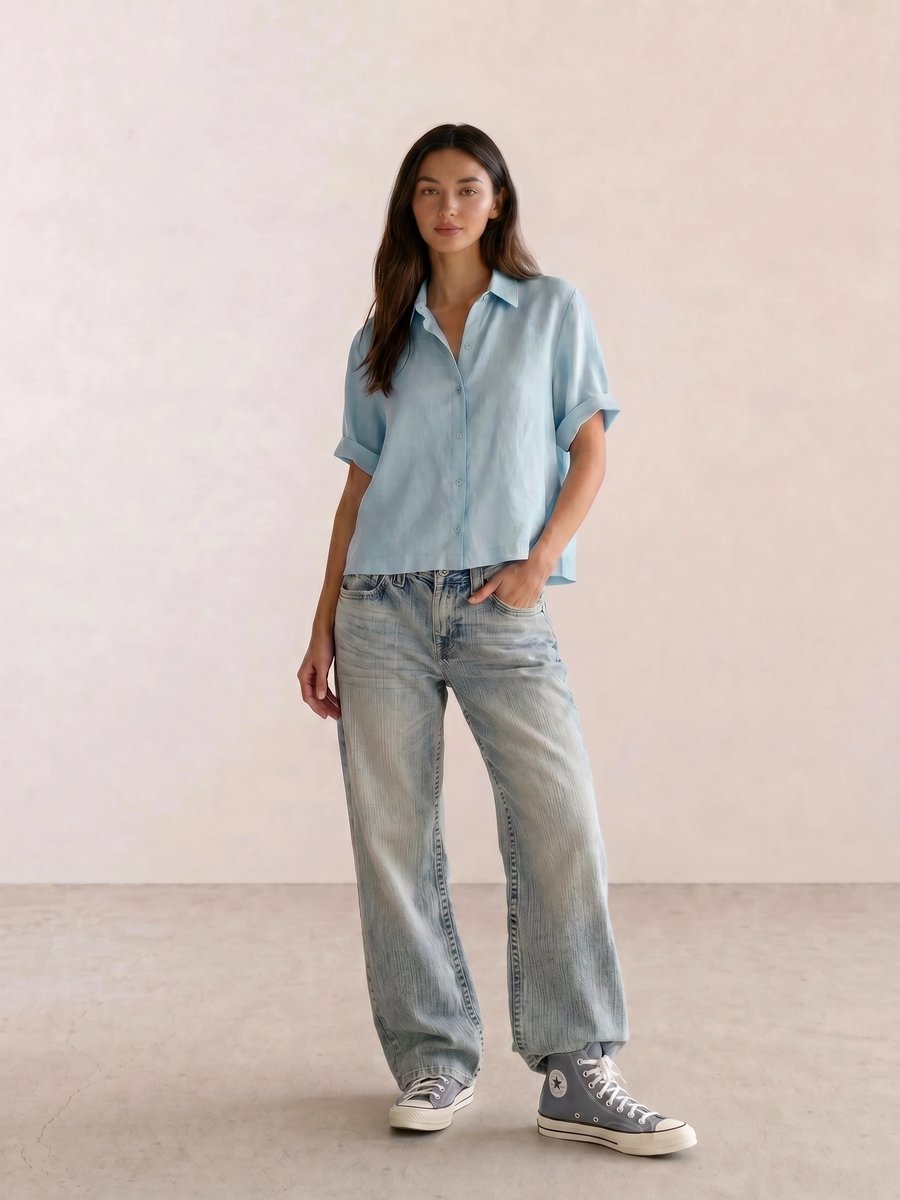
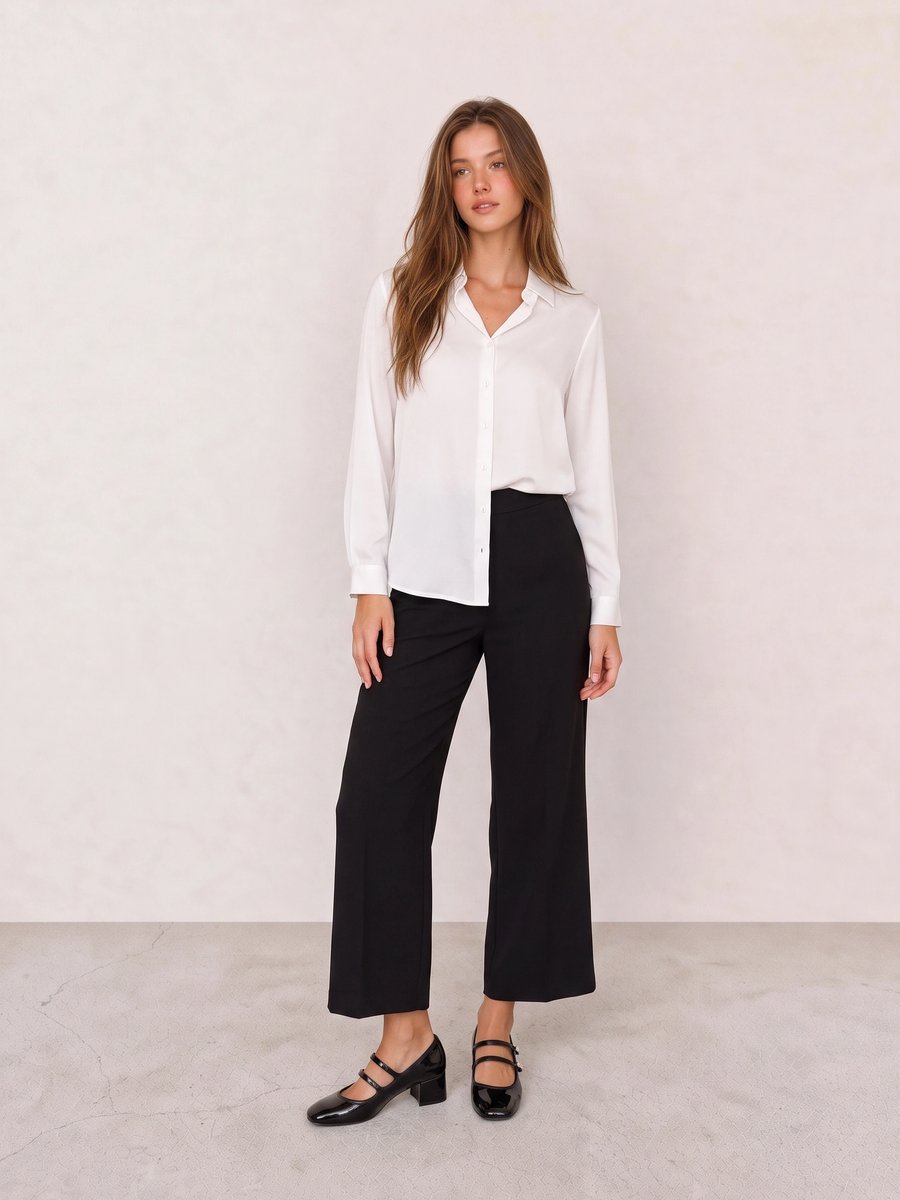
Add one sharper shirt and one loose layer before you buy more tops. White fitted shirt with studded straight jeans covers the polished end of a casual capsule; light blue linen shirt with baggy jeans handles the off-duty end with pieces you can still split apart and reuse.
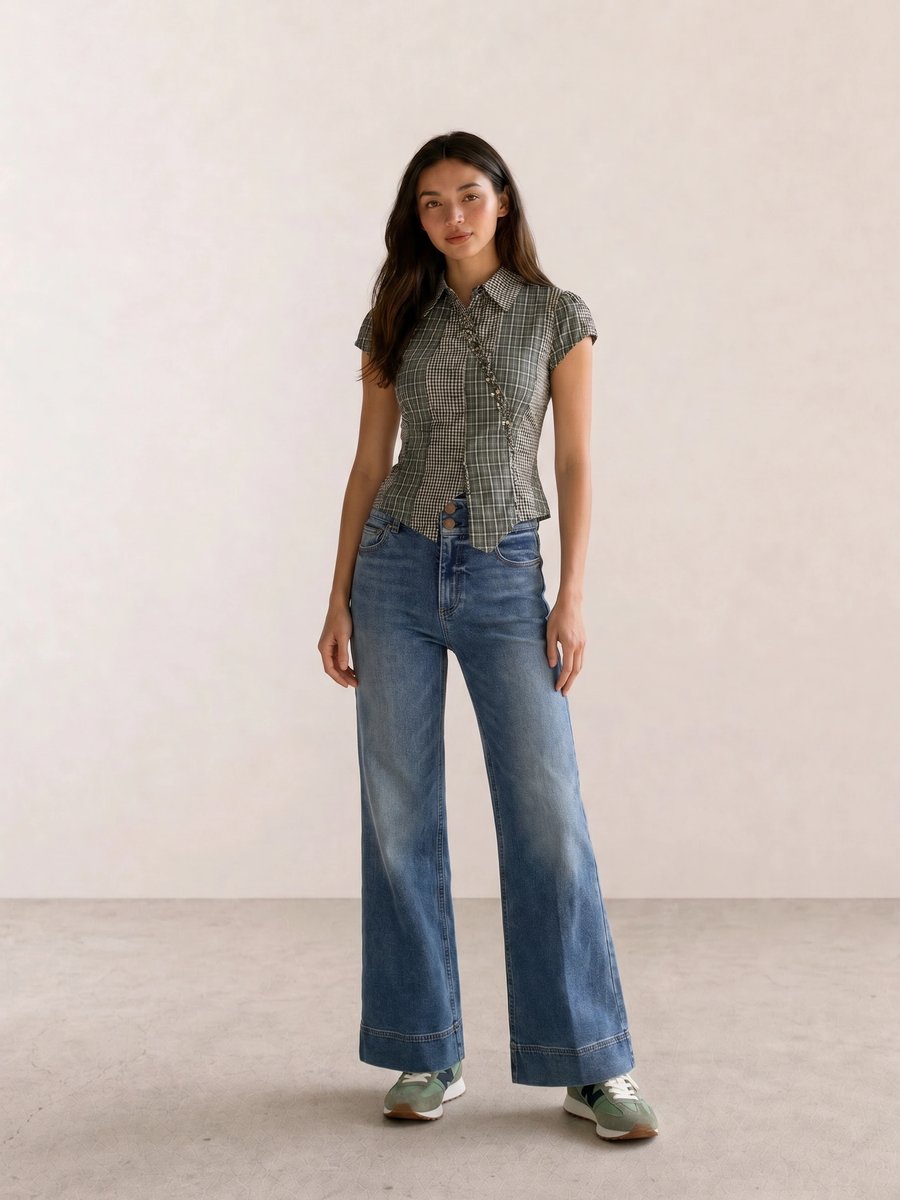
For a look at how neutral tones do the work of a capsule even outside a strict minimalist wardrobe, the Olive Houndstooth Top & Vintage Wide-Leg Jeans outfit is a good reference — olive, cream, and denim all sit close enough on the color wheel that the pieces could be reshuffled with almost anything else in a similar tonal range.
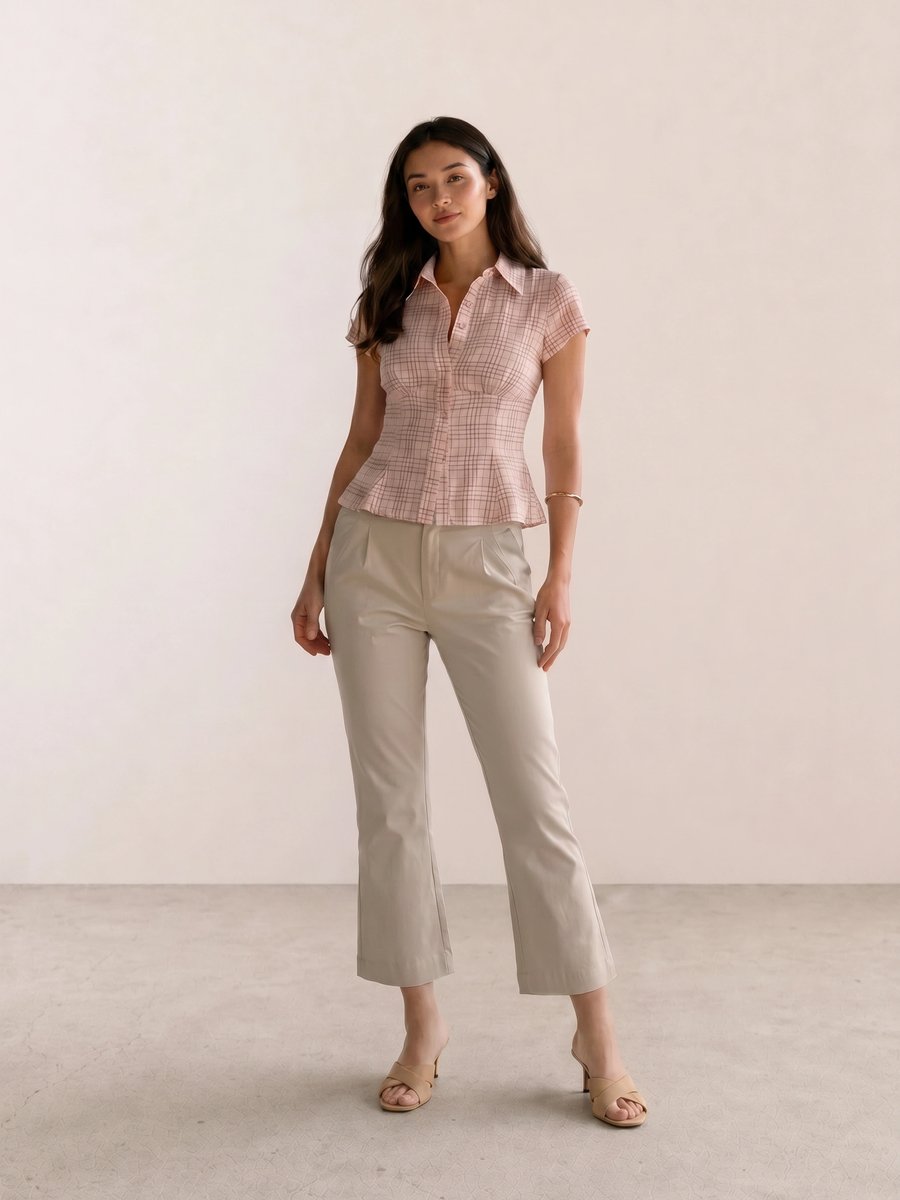
The beige wide-leg trouser in the Pink Plaid Polo Crop & Beige Wide-Leg Trousers look is exactly the kind of anchor piece a capsule is built around — swap the polo for a plain white tee or a black knit and the trouser carries the outfit into a completely different context.
If you're building a work-focused capsule specifically, our office outfit guide leans on the same versatile-piece logic. It's worth contrasting that with the coquette starter wardrobe — a themed wardrobe built around one aesthetic, which is a different exercise from a capsule built around neutral versatility.
Next, compare it with quiet luxury for the quality-over-quantity version and monochrome outfit for the color system that makes capsules easier to style.
Common Capsule Wardrobe Mistakes
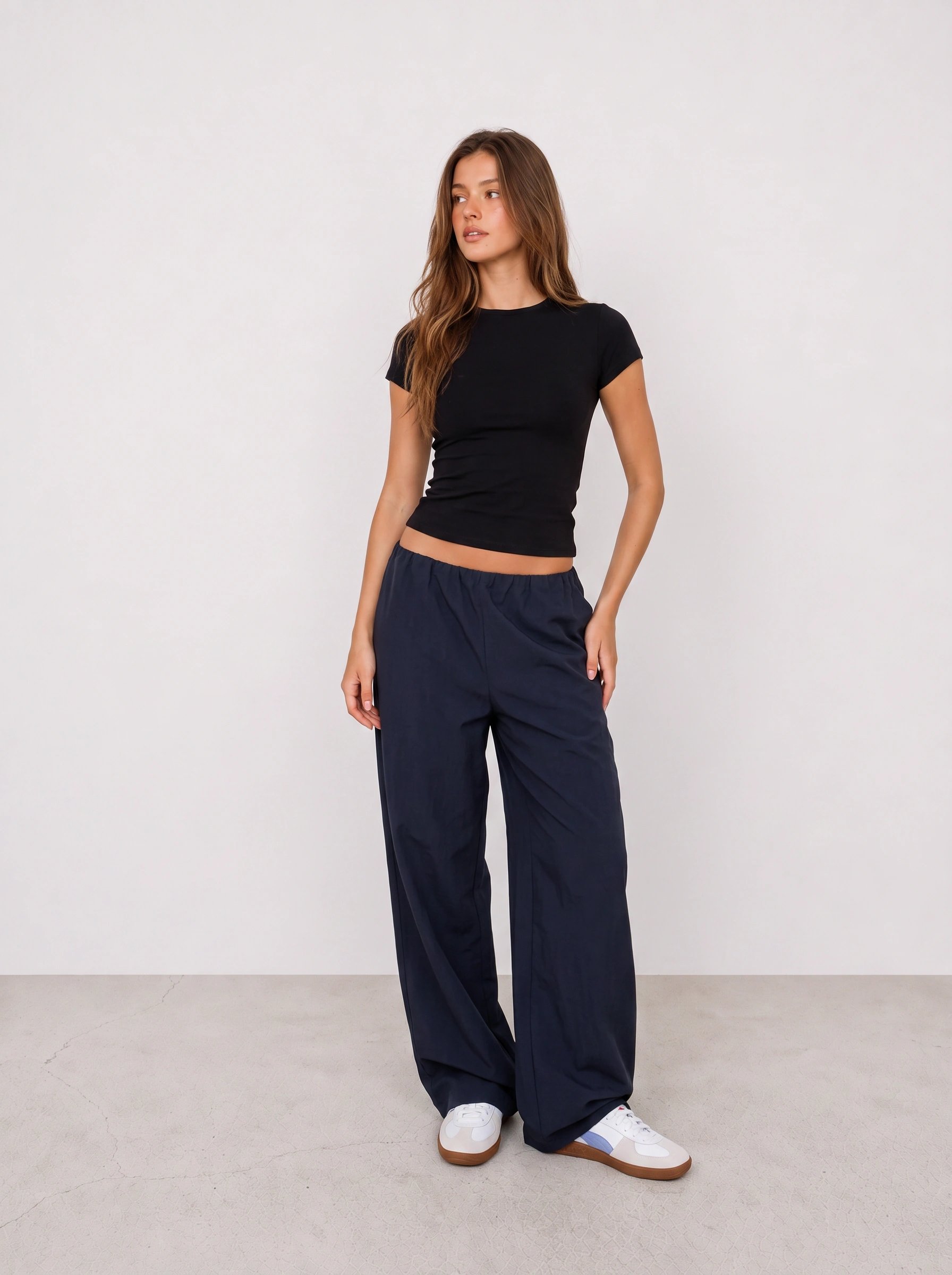
The most common mistake is going too small too fast — a 15-piece capsule sounds appealing on paper but rarely survives a full season of actual dressing. The second is buying only basics with no personality piece at all, which makes the wardrobe feel flat rather than considered. The third is skipping fit: a capsule only works if every piece actually fits well, since there's no oversized pile of backup options to fall back on.
How many pieces are in a capsule wardrobe?
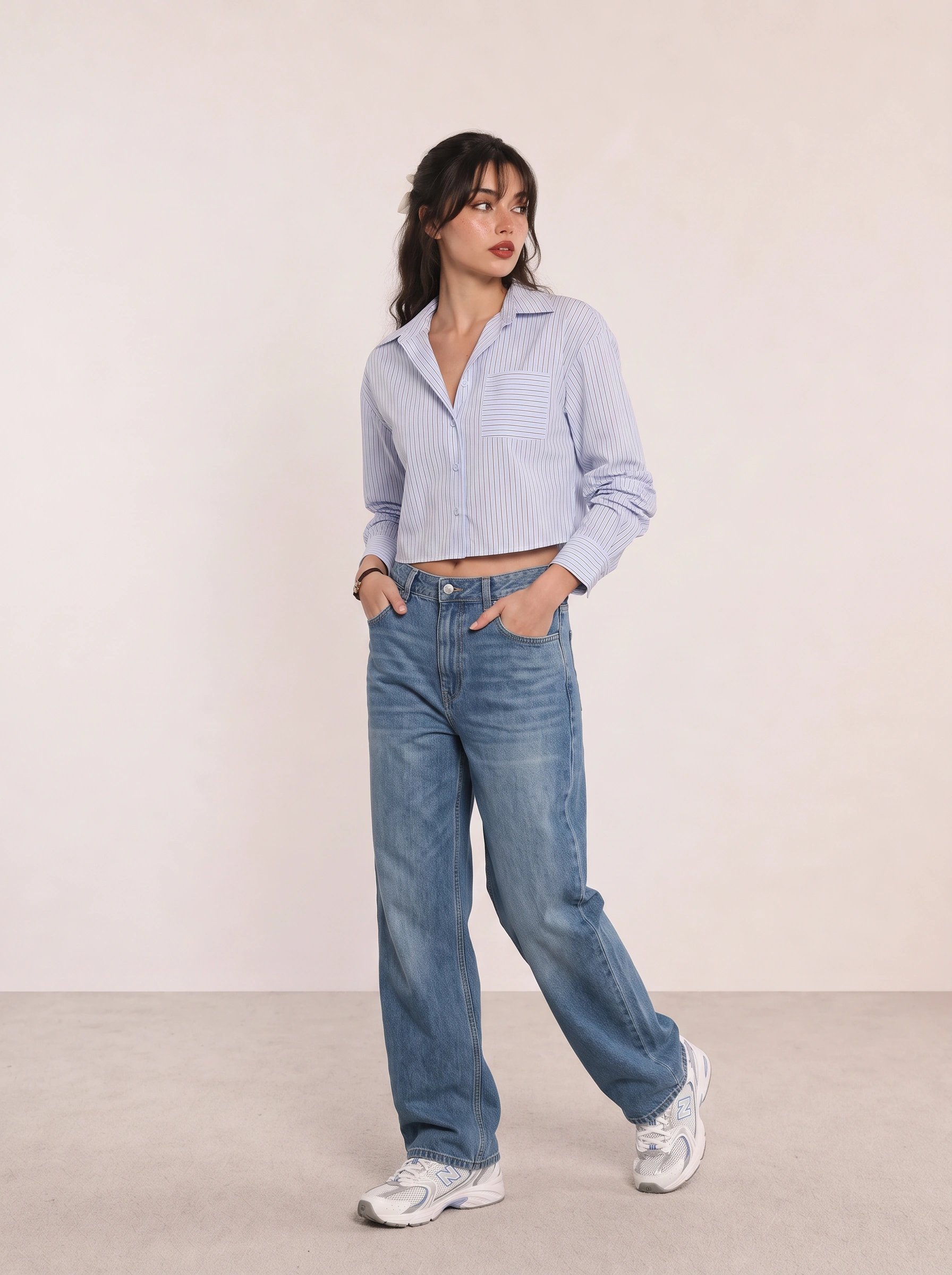
Most capsule wardrobes land between 30 and 40 pieces, including shoes and outerwear. Fewer than 25 tends to feel restrictive in daily use; more than 40 starts to lose the point of the exercise.
Is a capsule wardrobe the same as minimalist fashion?
They overlap but aren't identical. Minimalism is a broader aesthetic preference for clean lines and restraint; a capsule wardrobe is a specific system for choosing and limiting pieces so they mix efficiently. You can build a capsule in a maximalist color palette — it's the versatility logic that defines it, not the look.
Start with what's already in your closet before buying anything new — most capsule failures come from adding pieces before subtracting the ones that don't earn their space.
Weekly outfit picks and style guides — no fluff, unsubscribe anytime.