How to Find Your Face Shape: A Simple Measuring Guide
Use a mirror, straight-on photo, and four simple measurements to find your face shape before choosing haircuts, glasses, earrings, or makeup.
STYLEFINDEN editorial review: checked before publication for wearability, proportion logic and real-life outfit use. We explain our editorial method and image policy on the About page and keep affiliate independence details in the affiliate disclosure.
The fastest way to find your face shape is to compare four things: face length, forehead width, cheekbone width, and jawline shape. A mirror gives you the first read. A straight-on photo and a tape measure make the answer clearer. Most faces sit between two shapes, so use the closest match rather than forcing a perfect label.
Quick Answer
Your face shape comes from proportion, not one feature. If your face is longer than it is wide with balanced curves, it may be oval. If length and width look similar with soft edges, it may be round. If your jaw is strong and similar in width to your forehead, it may be square.
Start With a Straight-On Photo
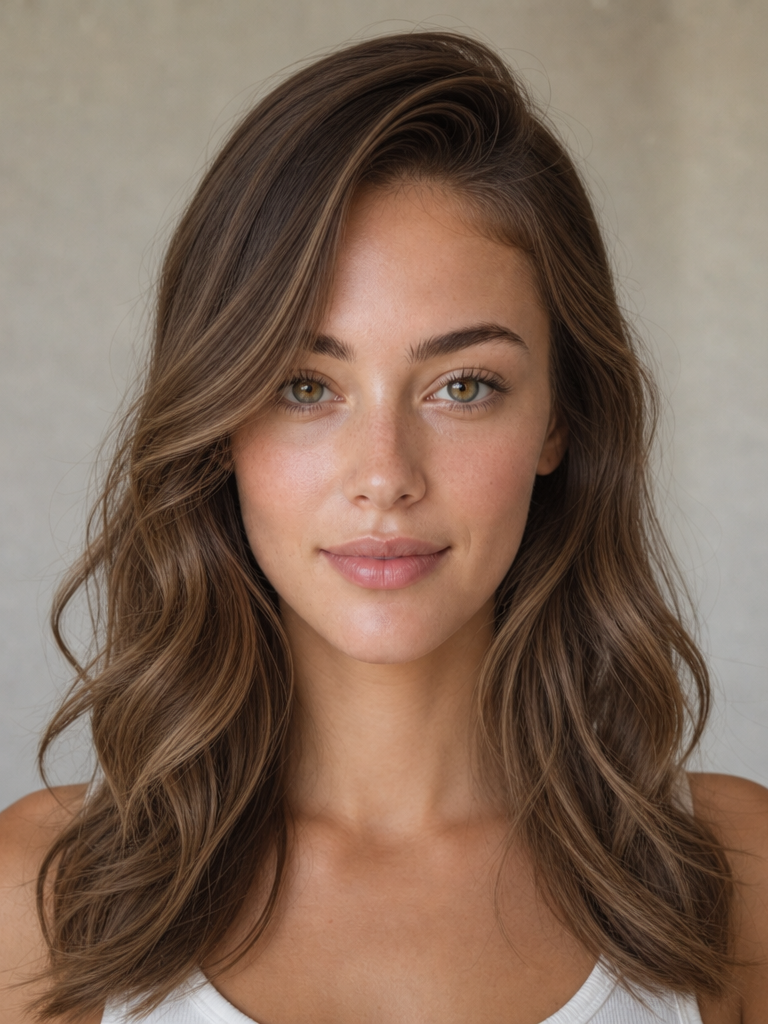
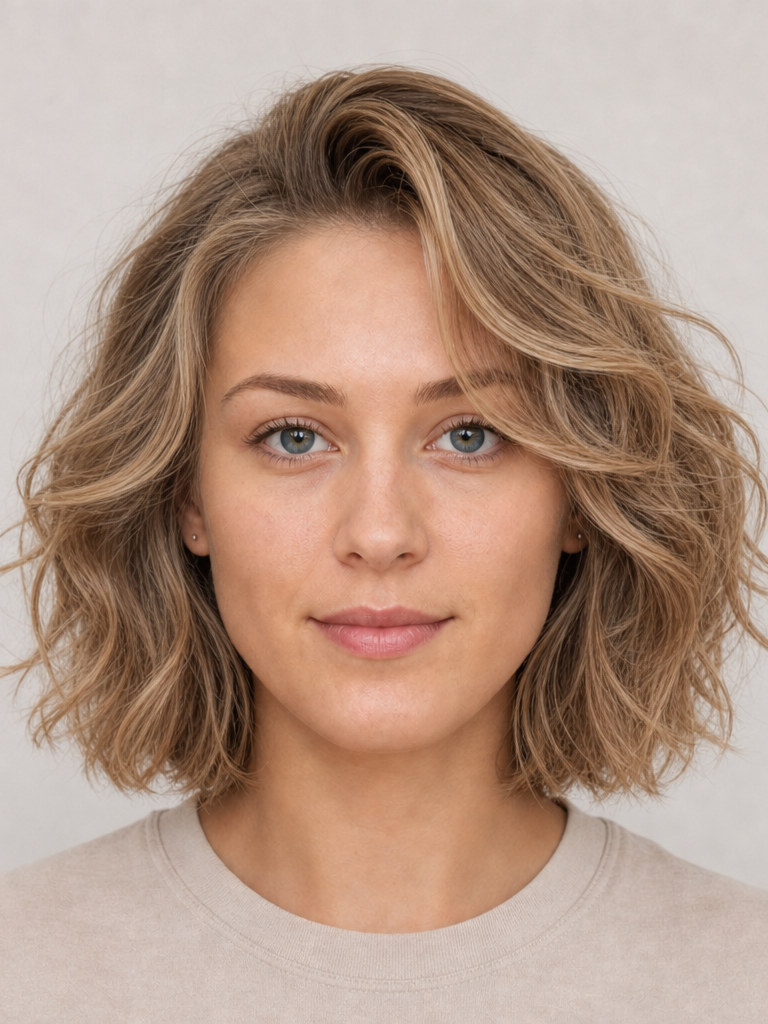
Stand in natural light and take one photo with your hair pulled away from your face. Keep the camera level with your eyes. Do not angle your chin up or down. A tilted selfie changes the forehead, cheekbone, and jaw proportions, which makes round faces look longer and long faces look narrower.
If you wear bangs, clip them back for this step. The goal is not to judge your hairstyle. You want to see the outline of your face: hairline, cheekbones, jaw, and chin.
Measure Four Points
Use a soft measuring tape if you have one. If not, use a string and compare it against a ruler. Write down four numbers: forehead width, cheekbone width, jawline width, and face length.
Forehead width: measure across the widest part of your forehead, usually halfway between your brows and hairline.
Cheekbone width: measure from the outer edge of one cheekbone to the other, crossing the bridge of your nose.
Jawline width: measure from the point of your chin to the angle under your ear, then double that number.
Face length: measure from the center of your hairline to the point of your chin.
Compare the Shape, Not Just the Numbers
Measurements help, but your jaw and chin finish the answer. A square jaw can make a face read square even when the length is close to oval. A pointed chin can push a wider forehead toward heart-shaped. Strong cheekbones with a narrower forehead and chin often point to diamond.
Face Shape Cheat Sheet
Oval face: the face is longer than it is wide, with a softly rounded jaw and balanced forehead and cheekbones.
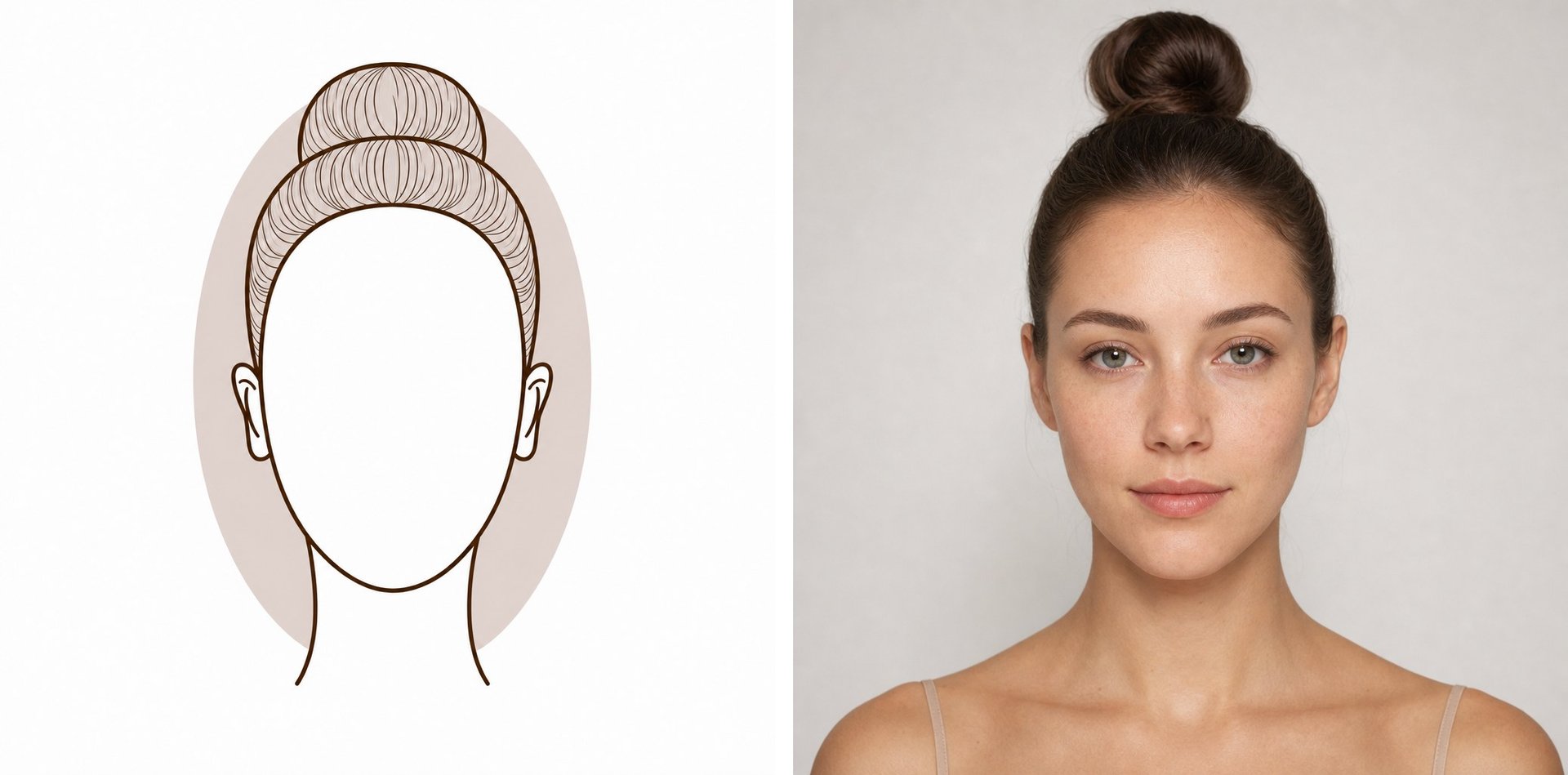
Round face: the face length and width are close, the cheeks look full, and the jawline curves rather than angles.
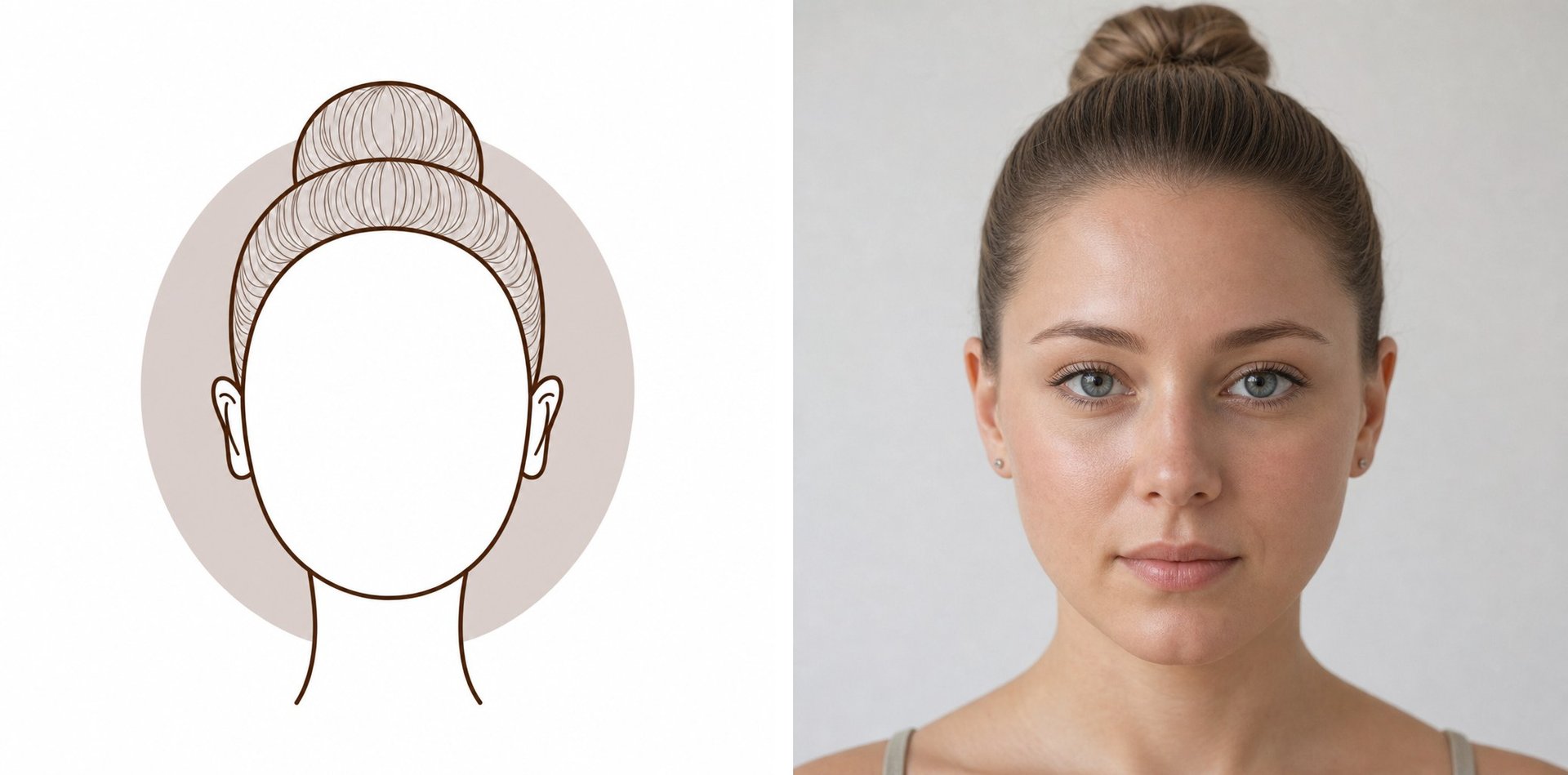
Square face: the forehead, cheekbones, and jaw are similar in width, with a defined jawline.
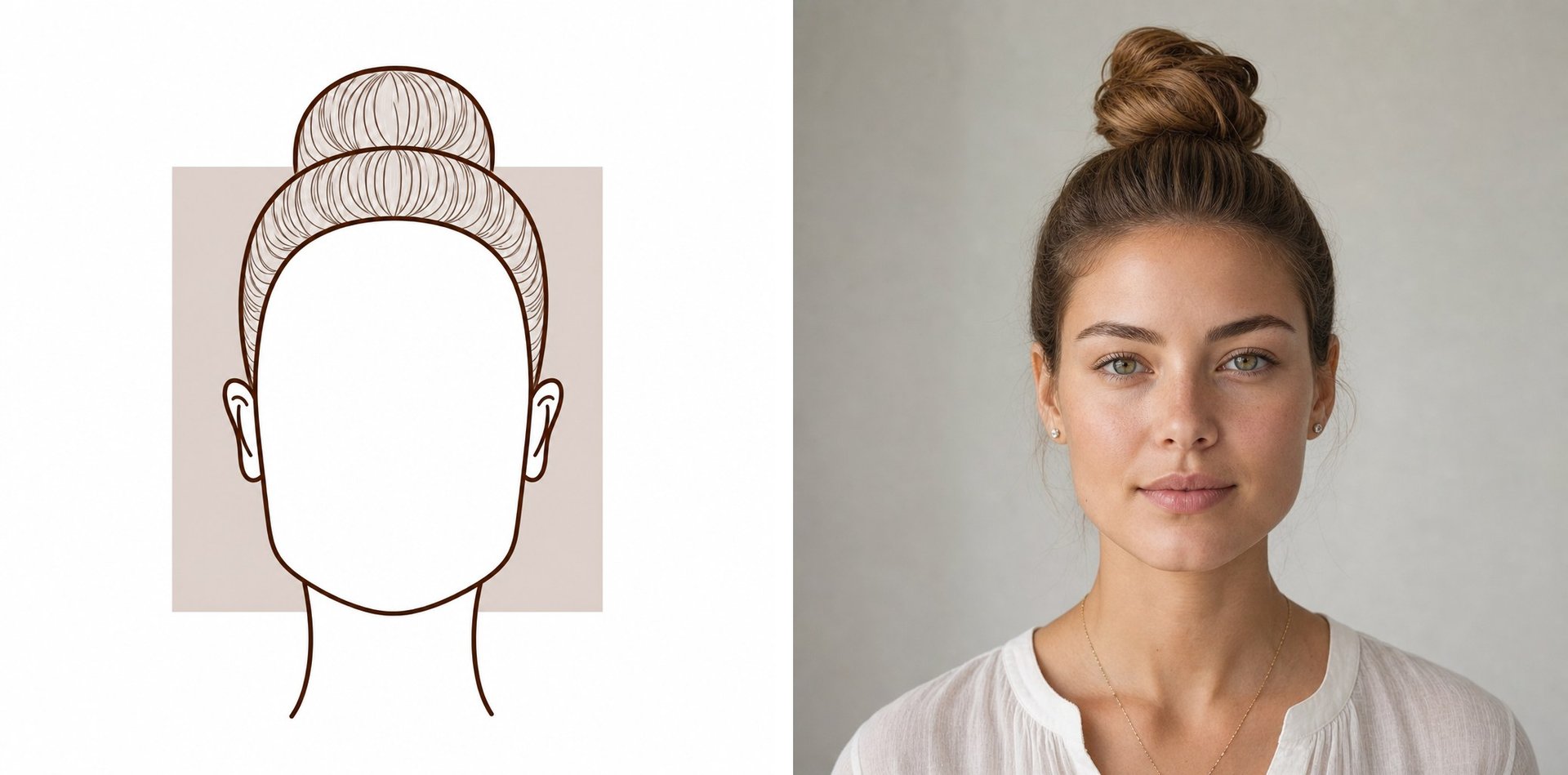
Heart-shaped face: the forehead is wider than the jaw, and the chin narrows or comes to a point.
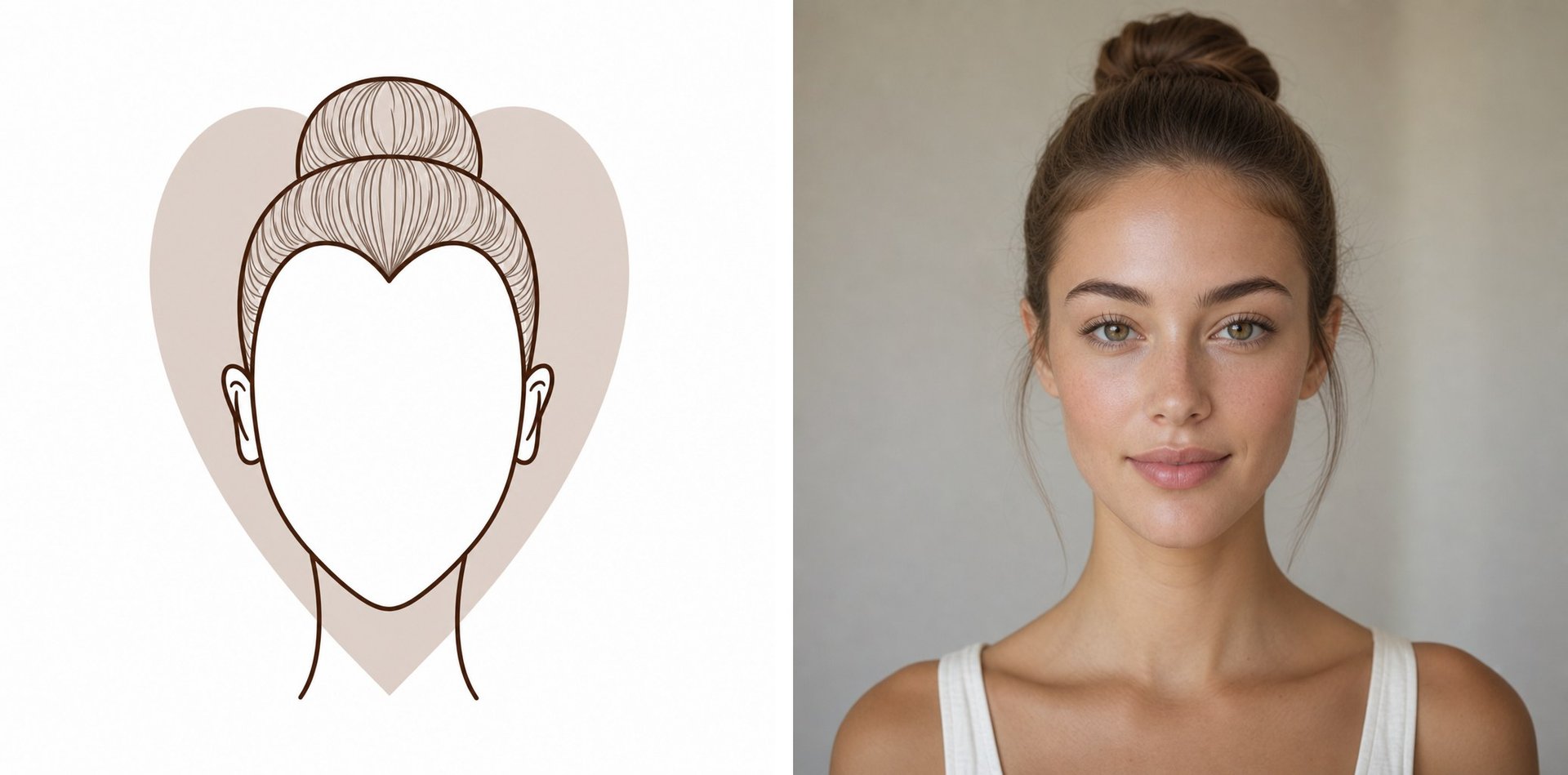
Diamond face: the cheekbones are the widest point, while the forehead and chin are narrower.
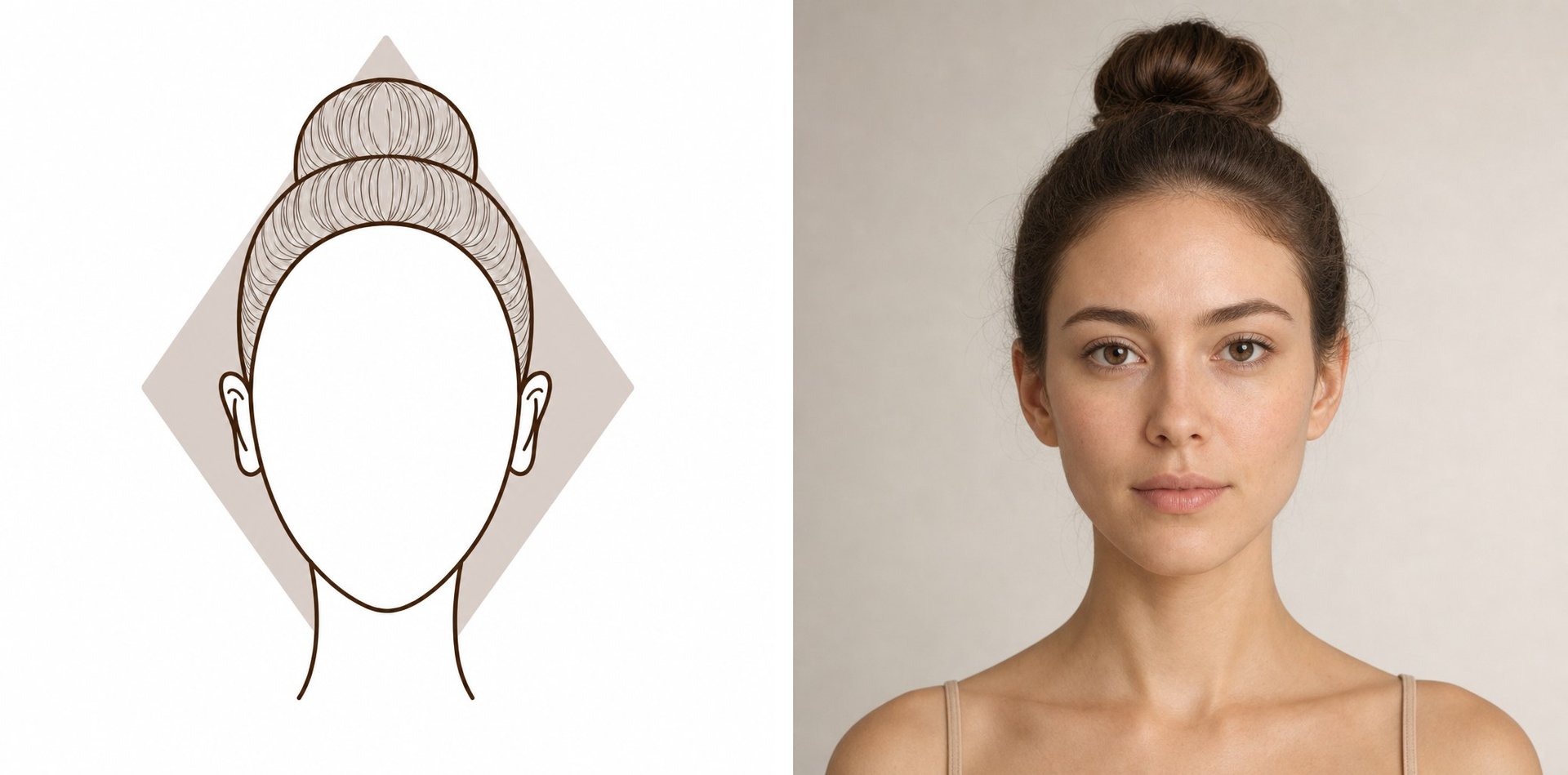
Rectangle face: the face is long and angular, with a squared jawline that is similar in width to the forehead.
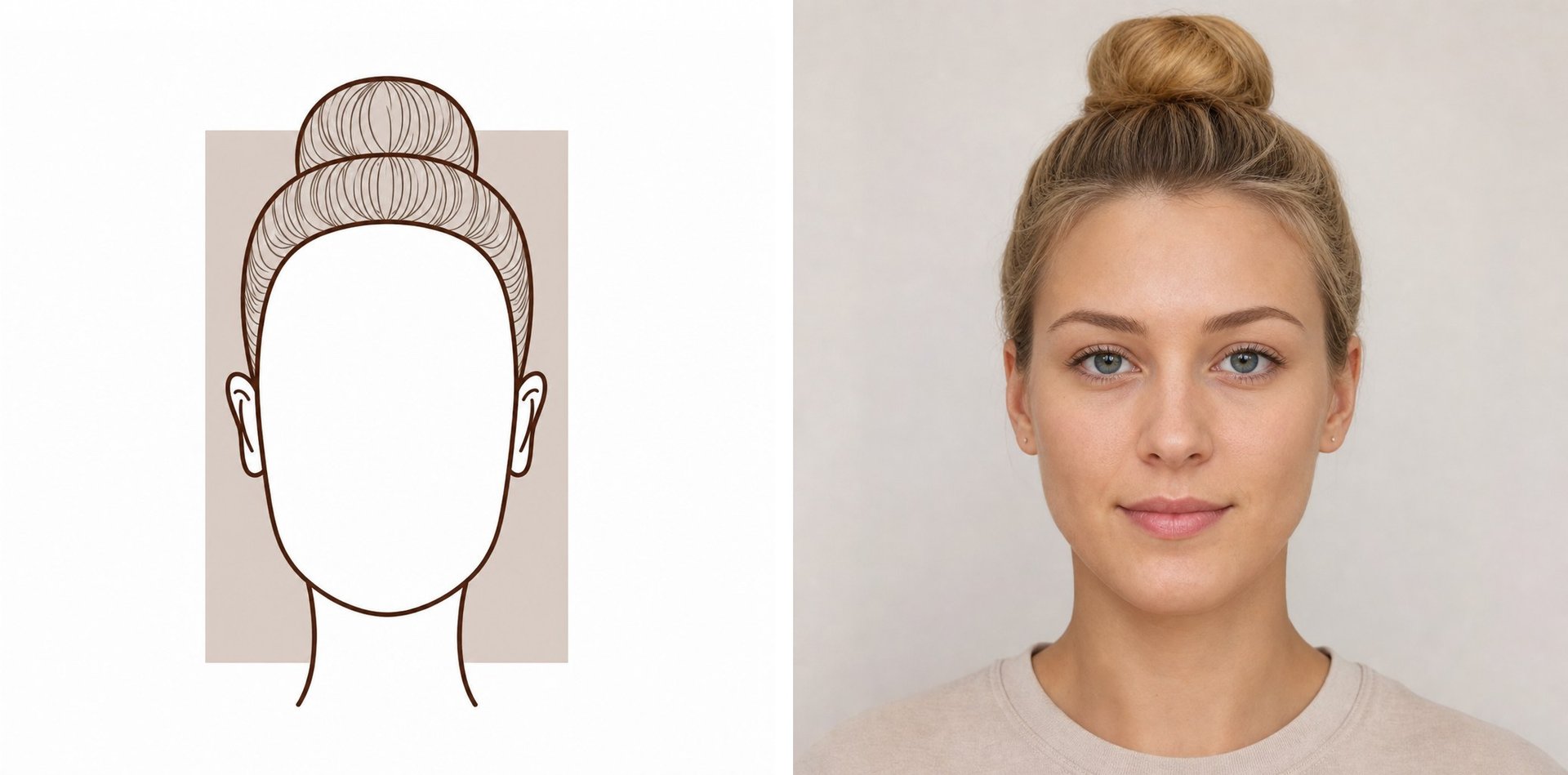
Triangle face: the jaw is wider than the forehead, creating more visual weight at the lower face.
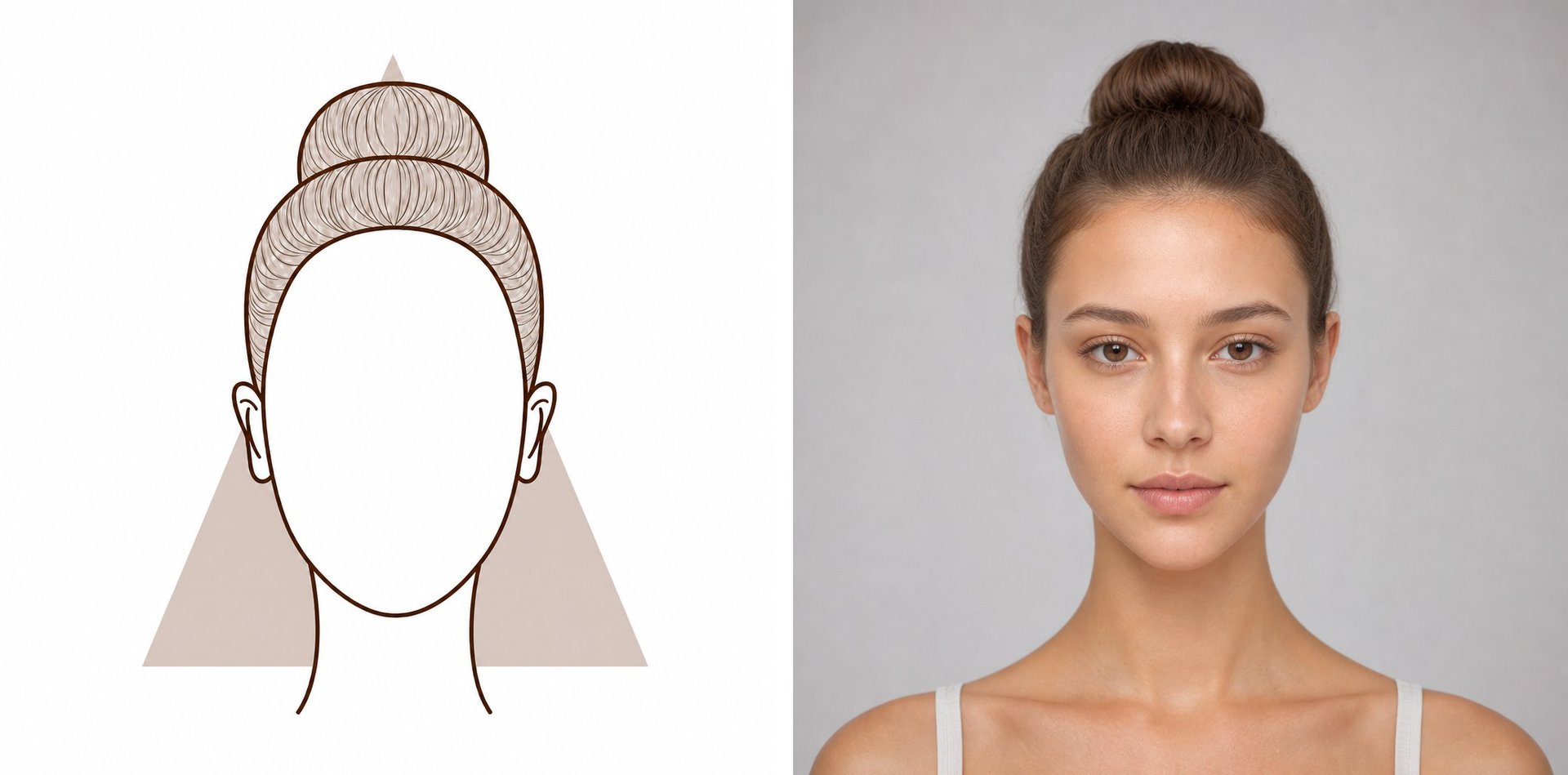
Inverted triangle face: the forehead is the widest point and the jaw narrows toward a smaller chin, similar to heart-shaped but with less curve at the hairline.
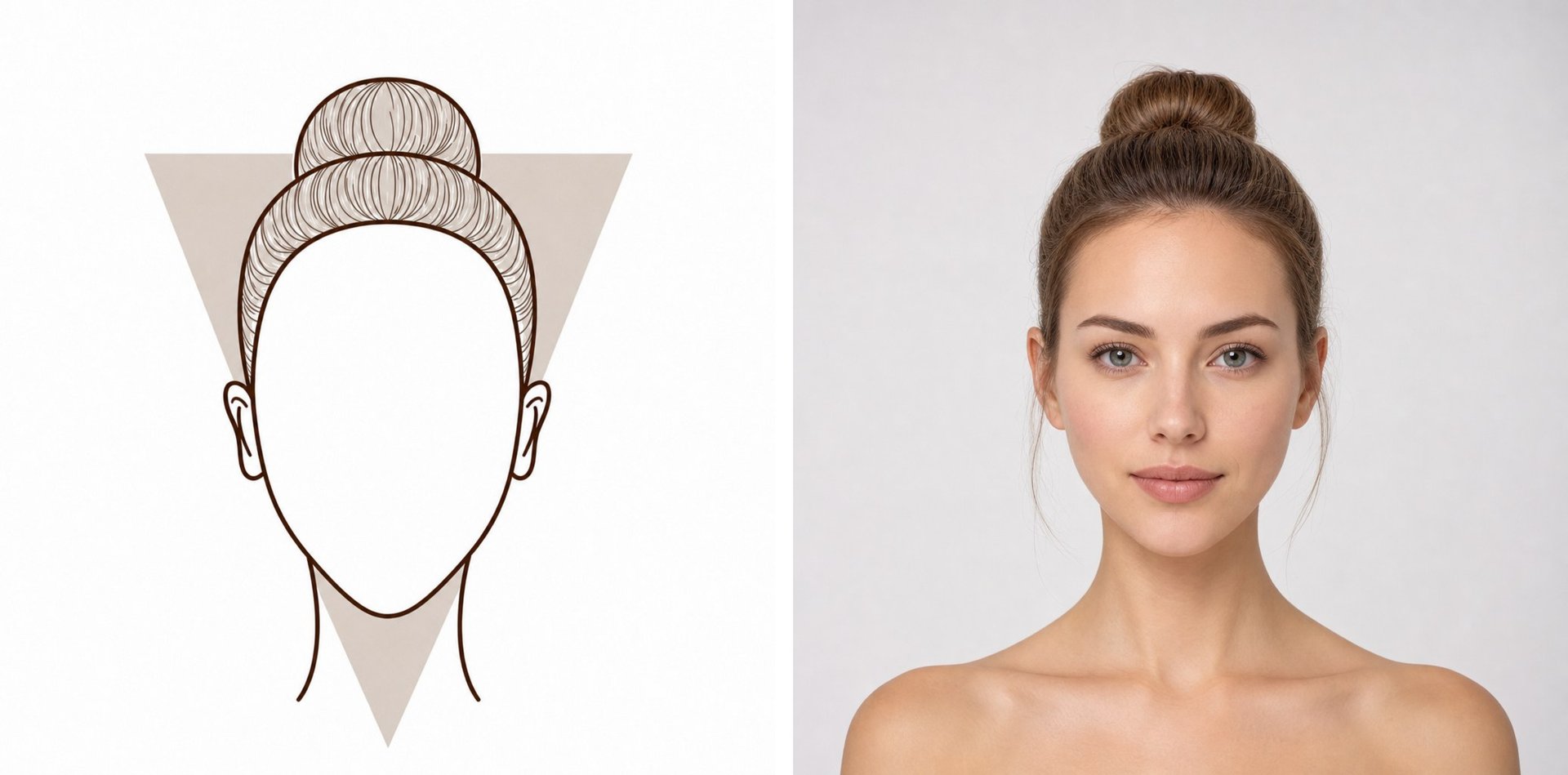
How to Read Your Measurements
After you write down the four measurements, look for the number that clearly leads. If face length is the largest number and the jaw is soft, start with oval or rectangle. If cheekbone width leads and the forehead and chin look narrower, diamond is more likely. If the jaw is the widest point, triangle deserves a closer look. If the forehead is the widest point instead, check inverted triangle.
The second clue is edge quality. Soft edges usually move the answer toward round or oval. Sharper edges move it toward square, rectangle, diamond, triangle, or inverted triangle. This is the part most measurement guides miss: two people can have similar numbers, but the face with a straighter jaw will need different glasses, bangs, and earrings than the face with a curved jaw.
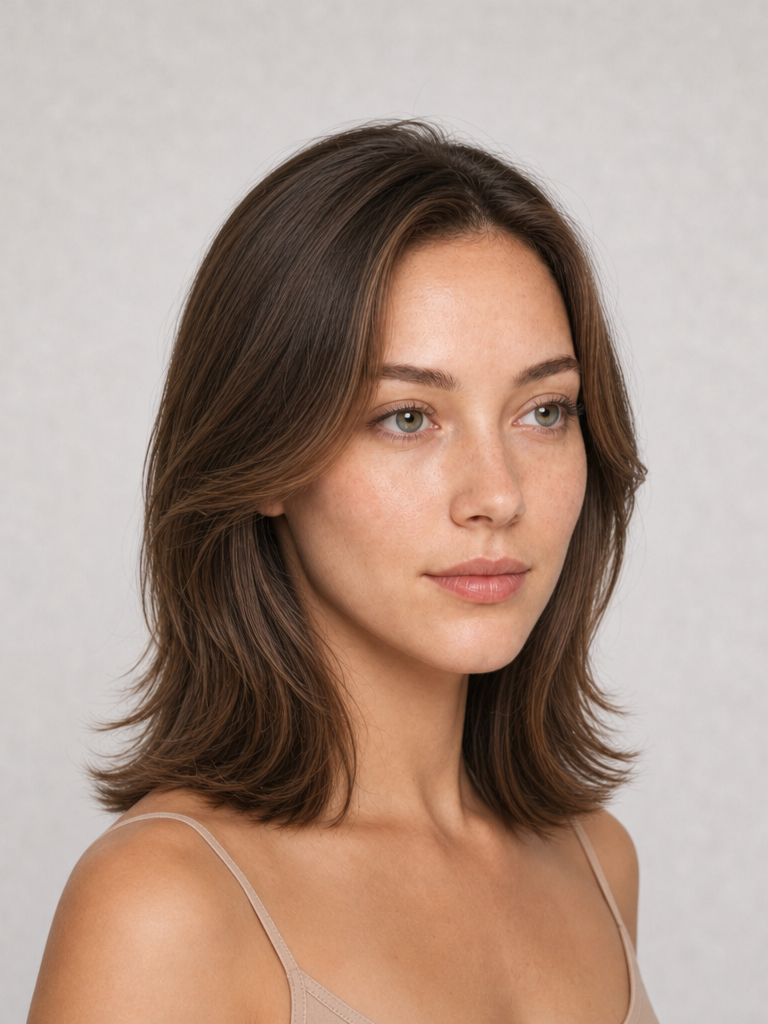
If your numbers are close, use photos instead of chasing millimeters. Compare one relaxed straight-on photo, one smiling photo, and one profile. The shape that stays consistent across all three is usually the shape worth styling for.
The Mirror Test
Pull your hair back and look straight into a mirror. Trace the outline of your face with a washable marker, lipstick, or your finger in the air if you do not want to mark the glass. Step back and look at the outline. A circle, oval, square, heart, or diamond shape usually becomes easier to see once the hair is removed from the equation.
Common Mistakes
Do not use your current haircut as evidence. Long face-framing layers can make a square face look softer. A center part can make a round face look longer. Heavy bangs can hide the forehead width that would otherwise point to a heart-shaped face.
Do not rely on one feature. Full cheeks do not always mean round. A strong chin does not always mean square. Face shape comes from the relationship between the forehead, cheeks, jaw, chin, and length.
Do not treat face shape as a rulebook. It is a starting point for proportion. Your hair texture, neck length, prescription strength, personal style, and comfort matter too.
How Face Shape Helps With Style Decisions
Face shape is useful because it tells you where contrast helps. Round faces often benefit from angles in glasses or haircuts. Square faces often benefit from movement and curves. Long faces often benefit from width, volume, and frames with more depth. Heart-shaped faces often benefit from balance near the lower half of the face.
Once you know your closest shape, you can make faster choices about glasses, sunglasses, earrings, bangs, layers, and updos. The goal is not to hide your face. The goal is to choose lines that make the proportions feel intentional.
How to Decide Between Two Face Shapes
If two face shapes both sound right, start with the feature that affects styling most. A softly rounded jaw with extra face length usually behaves more like oval than round. A long face with a strong, squared jaw often behaves more like rectangle than oval. A wide forehead with a pointed chin usually behaves more like heart than oval, even when the cheekbones are balanced. A wide forehead with a narrow jaw and no point at the chin usually behaves more like inverted triangle than heart.
Use the guide that solves the problem you see in photos. If your face looks shorter in front-facing pictures, use round-face advice. If your jaw looks strong in profile and straight-on photos, use square or rectangle advice. If glasses often feel heavy across the forehead, use heart-shape advice even if your face also looks oval.
Face Shape vs Facial Features
Face shape gives the outline. Facial features change the styling choice inside that outline. Two oval faces can need different haircuts if one has fine hair and a short forehead while the other has thick hair and high cheekbones. Two round faces can need different glasses if one has a low nose bridge and the other has a wider bridge.
This is why the best advice starts with proportion and then checks the real-life fit. A frame can be the right shape but the wrong bridge. Bangs can suit the face shape but fail on hair texture. Earrings can balance the face but feel wrong with your personal style.
Use the Result as a Styling Direction
Think of your face shape as a direction, not a diagnosis. Round usually means add structure or height. Square usually means add softness or movement. Long usually means add width. Heart usually means reduce heaviness at the forehead. Diamond usually means highlight the eyes and avoid extra width at the cheekbones.
Once you know the direction, you can choose how strong the correction should be. A subtle rectangular frame may be enough for a round face. A sharp cat-eye may be too much for someone who wants a quieter look. A soft wave may balance a square face without changing the haircut.
A useful final check is the accessory test. Hold a rectangular object beside your face, then a rounded one. If the angular shape makes your features look clearer, your face may need structure. If the rounded shape softens a strong jaw or forehead, your face may need curve. The same logic applies later to glasses, sunglasses, earrings, and bangs.
When Face Shape Matters Less
Face shape matters less when comfort or function takes priority. Prescription strength can limit frame size. Curly hair can change the shape of a cut after drying. Sports sunglasses need grip and coverage before perfect proportion. Work glasses need to feel comfortable for hours before they need to follow a trend.
It also matters less when the style choice is intentional. A square face can wear square glasses for a strong graphic look. A round face can wear round frames for softness. The rule only matters when you want balance. If you want contrast, drama, or a signature shape, choose that on purpose.
FAQ
Can I have two face shapes?
Yes. Many people sit between two face shapes. You might be oval with a slightly square jaw, or heart-shaped with diamond cheekbones. Use both guides and choose the advice that matches the feature you notice most.
Is face shape the same as face size?
No. Face shape describes proportion. Face size describes scale. A petite face can be oval, round, square, heart-shaped, or diamond.
Should I measure with makeup on?
Measure with your hair pulled back and your face visible. Makeup is fine unless contour changes the apparent cheekbone or jaw shape in the photo.
Does weight change face shape?
Weight changes can affect fullness in the cheeks and jaw, but bone structure still matters. If your face has changed, take a current photo and use the proportions you see now.
Weekly outfit picks and style guides — no fluff, unsubscribe anytime.