Why Statement Pieces Are Winning Over Matchy-Matchy Party Outfits
The coordinated two-piece set had its moment. What's replacing it: one loud piece, everything else built to get out of its way.
STYLEFINDEN editorial review: checked before publication for wearability, proportion logic and real-life outfit use. We explain our editorial method and image policy on the About page and keep affiliate independence details in the affiliate disclosure.
For a few years, the safest move for a night out was the matching set — same fabric, same color, top and bottom bought as a pair so nothing had to be decided twice. It photographed well and it was hard to get wrong. Look across the outfits in our party and night-out catalog, though, and a different pattern holds more often than not: one deliberately loud piece — a sequin panel, a corset structure, a metallic sheen — with the rest of the outfit built quietly around it.
The Matching Set Solved a Problem Nobody Has Anymore
Coordinated sets exist to remove decision-making — if the top and skirt are cut from the same fabric, they can't clash. That's a useful shortcut when you're dressing for a photo, once, and want a guaranteed result. But it also flattens the outfit into a single note. There's no tension in it, nothing for the eye to land on first. A head-to-toe matched look reads as put-together. It doesn't read as memorable.
One Loud Piece, Read Against Something Plain
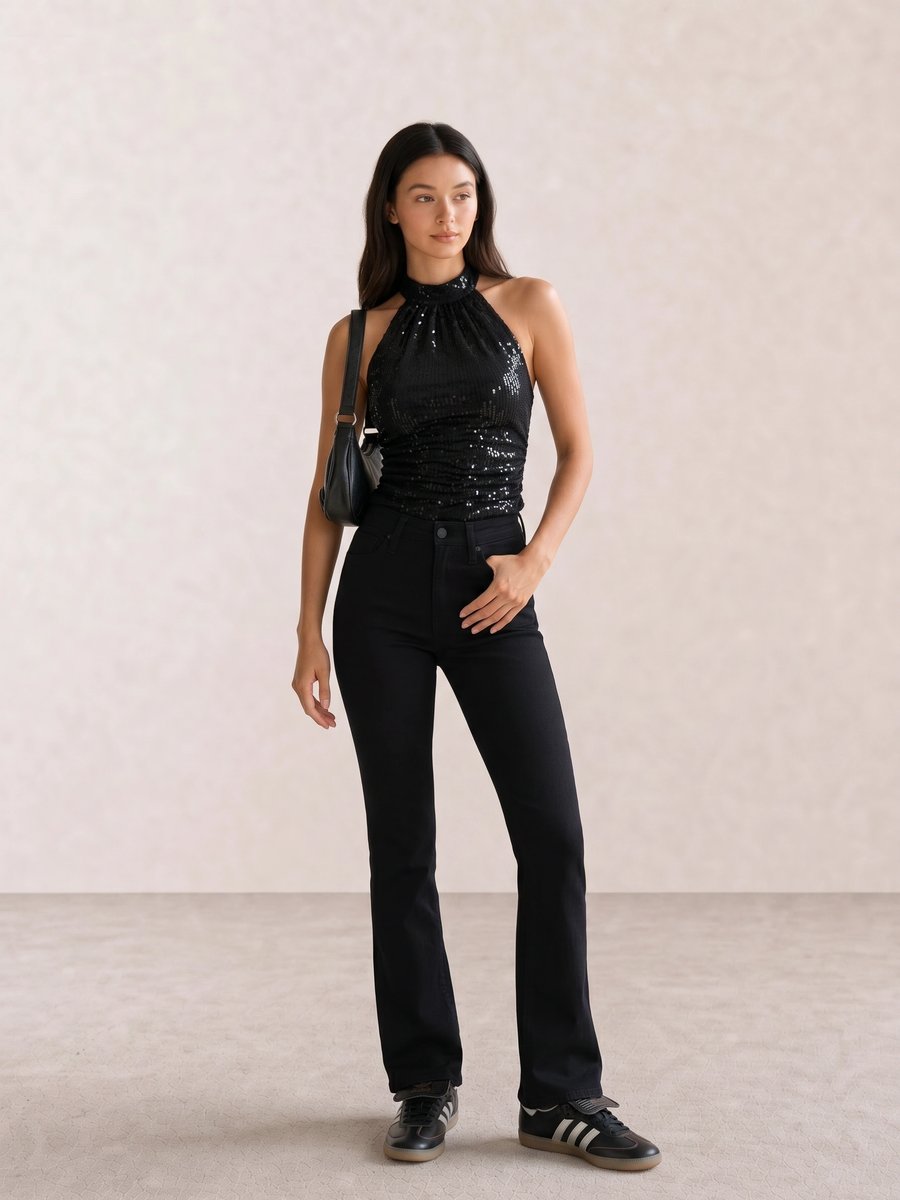
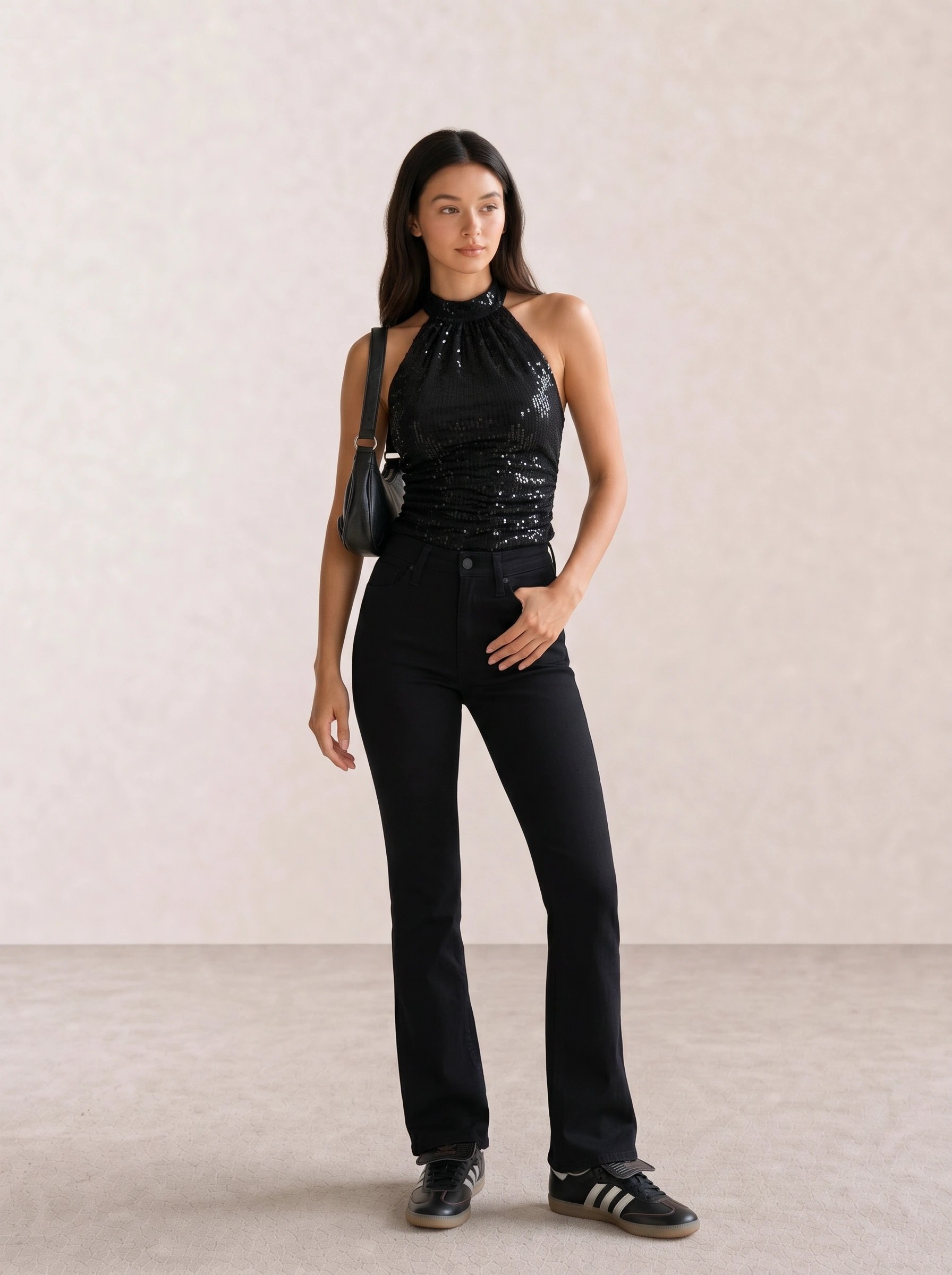
The sequin halter here is doing all the work — it catches light, it has texture, it's the first thing anyone clocks. The flare jeans underneath aren't an afterthought, they're the reason the top doesn't feel costume-y. Denim has weight and a matte finish; against sequins, that contrast is what makes the outfit look considered instead of accidental. This is the actual grammar of a statement-piece outfit: one part loud, one part deliberately unremarkable, nothing competing for the same attention.
Texture Is Doing What Color-Matching Used To
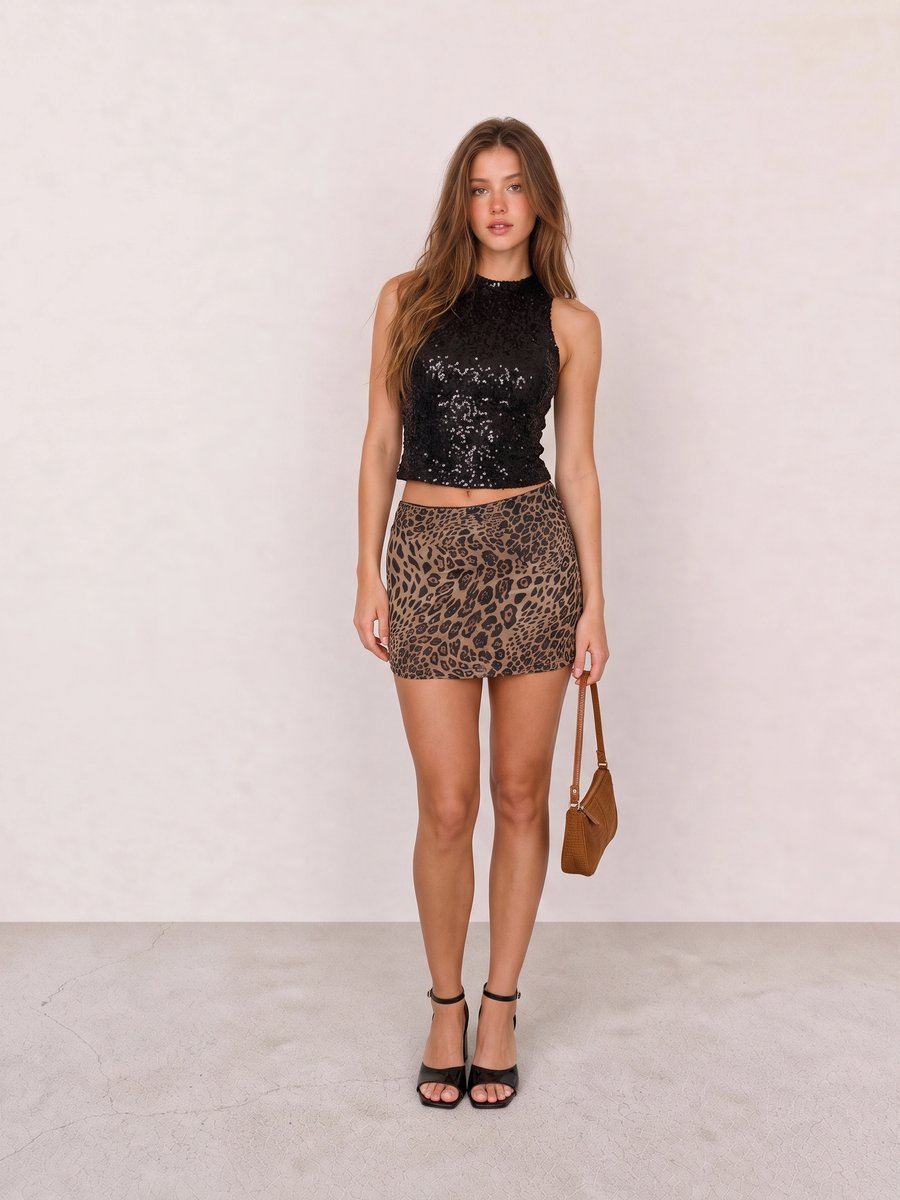
Print mixing used to feel like a rule you had to earn the confidence to break. Sequins against leopard print shouldn't, on paper, feel finished — two patterns, two finishes, nothing coordinated. But because each piece is fully committed to its own texture rather than trying to blend into the other, the outfit reads as intentional rather than clashing. That's the pattern this cluster of outfits keeps repeating: not matching, but each piece being confident enough on its own that it doesn't need permission from the rest of the outfit.
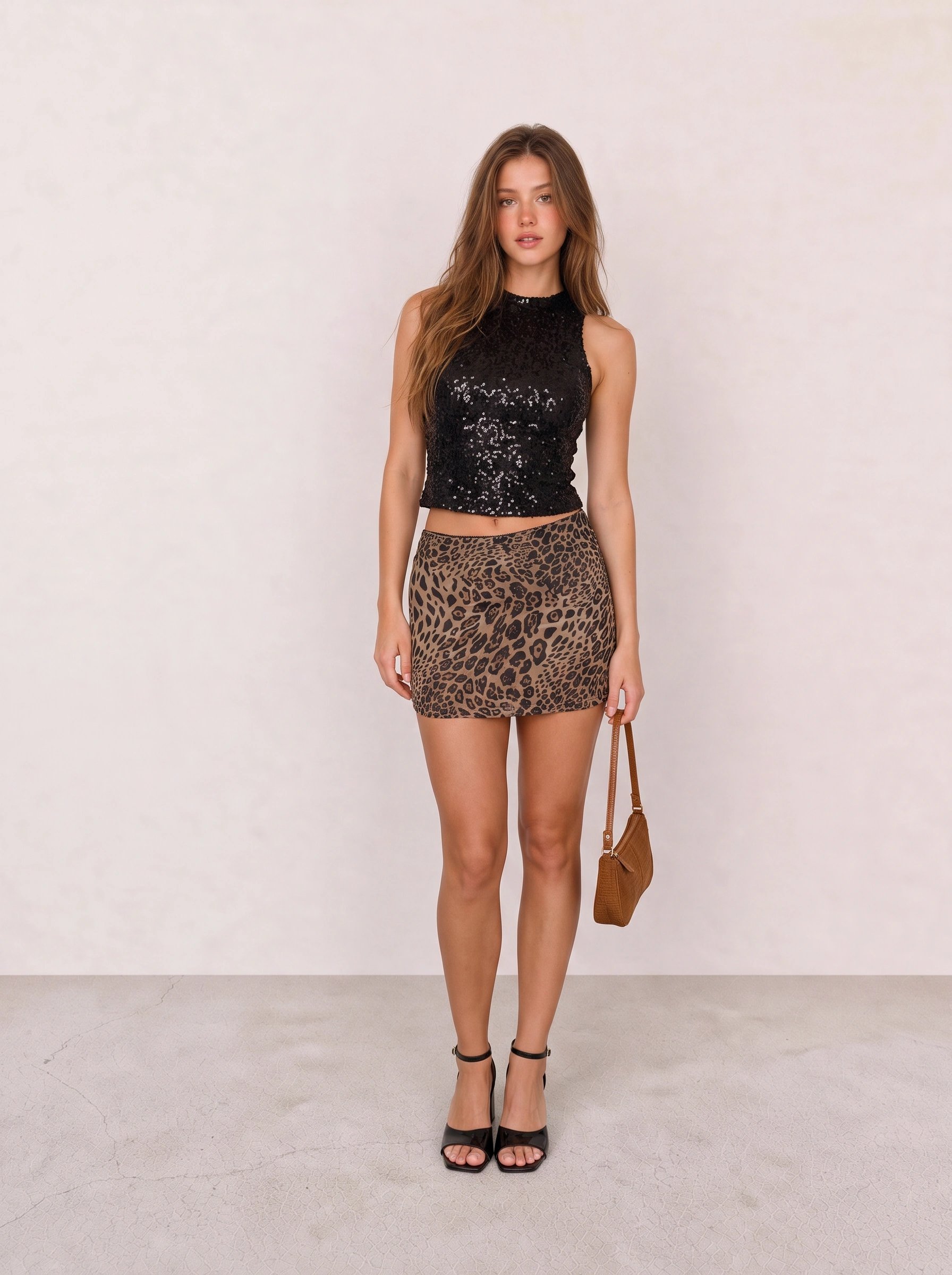
Metallic Is the Quiet Middle Ground
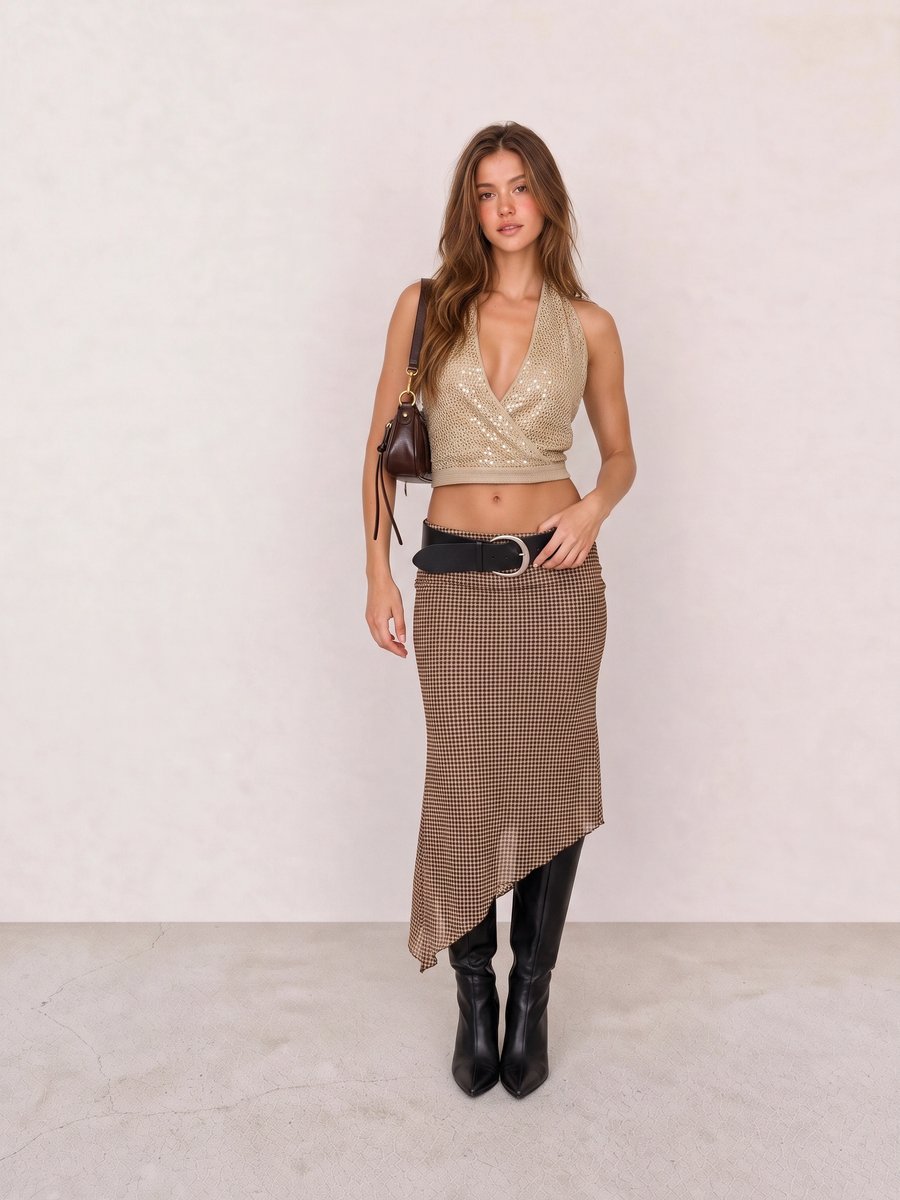
Not every statement piece has to be this loud. A metallic halter top in a neutral tone — beige, pewter, champagne — gets the shine without the maximalism, which is why it works over a soft knit skirt instead of denim or leather. It's the version of this shift for someone who wants to move away from matching sets without going full sequin. The metallic finish is the statement; everything else, including the color, stays deliberately low-key.
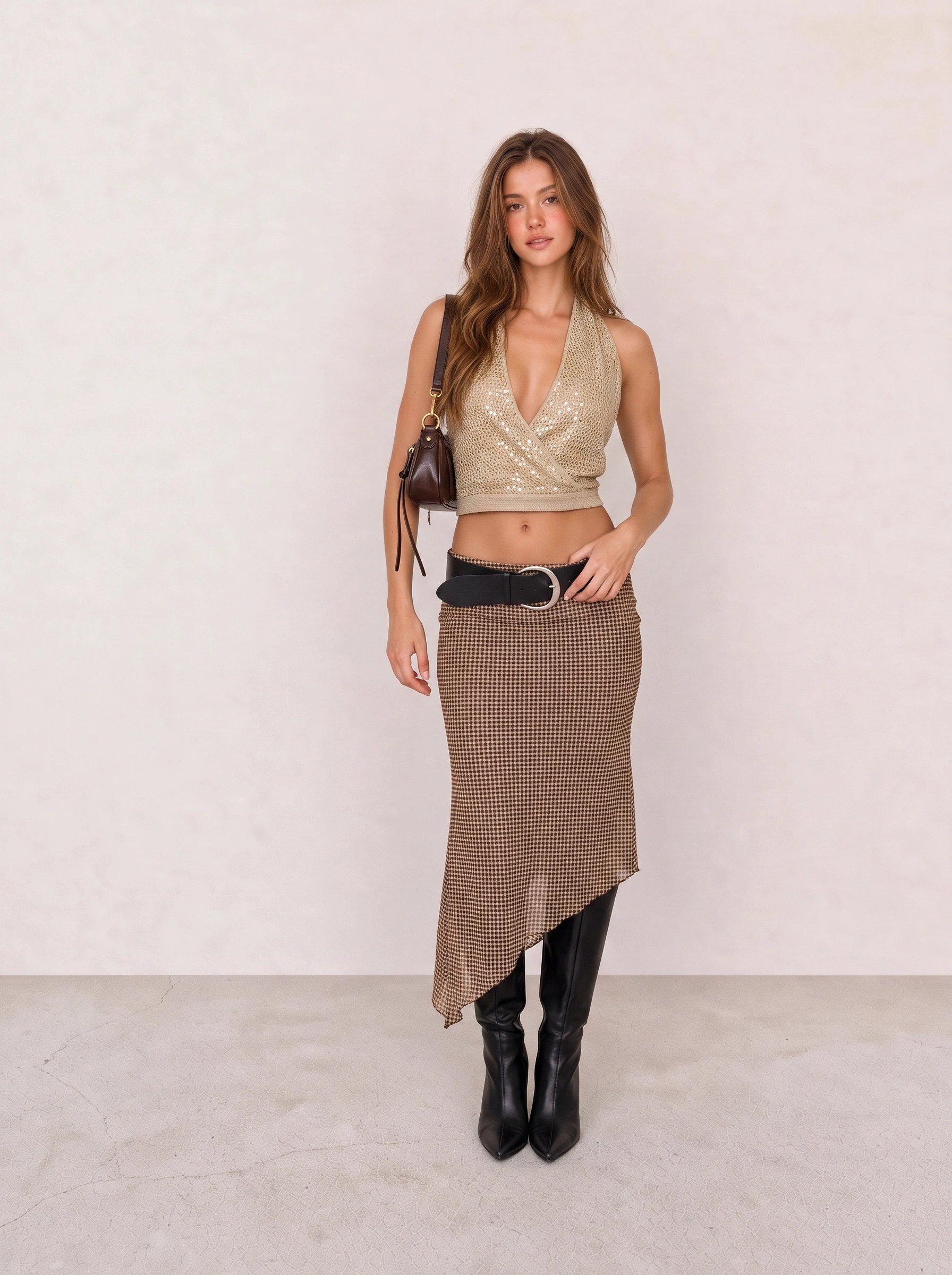
Silver Sequin Works the Same Way, Cooler Toned
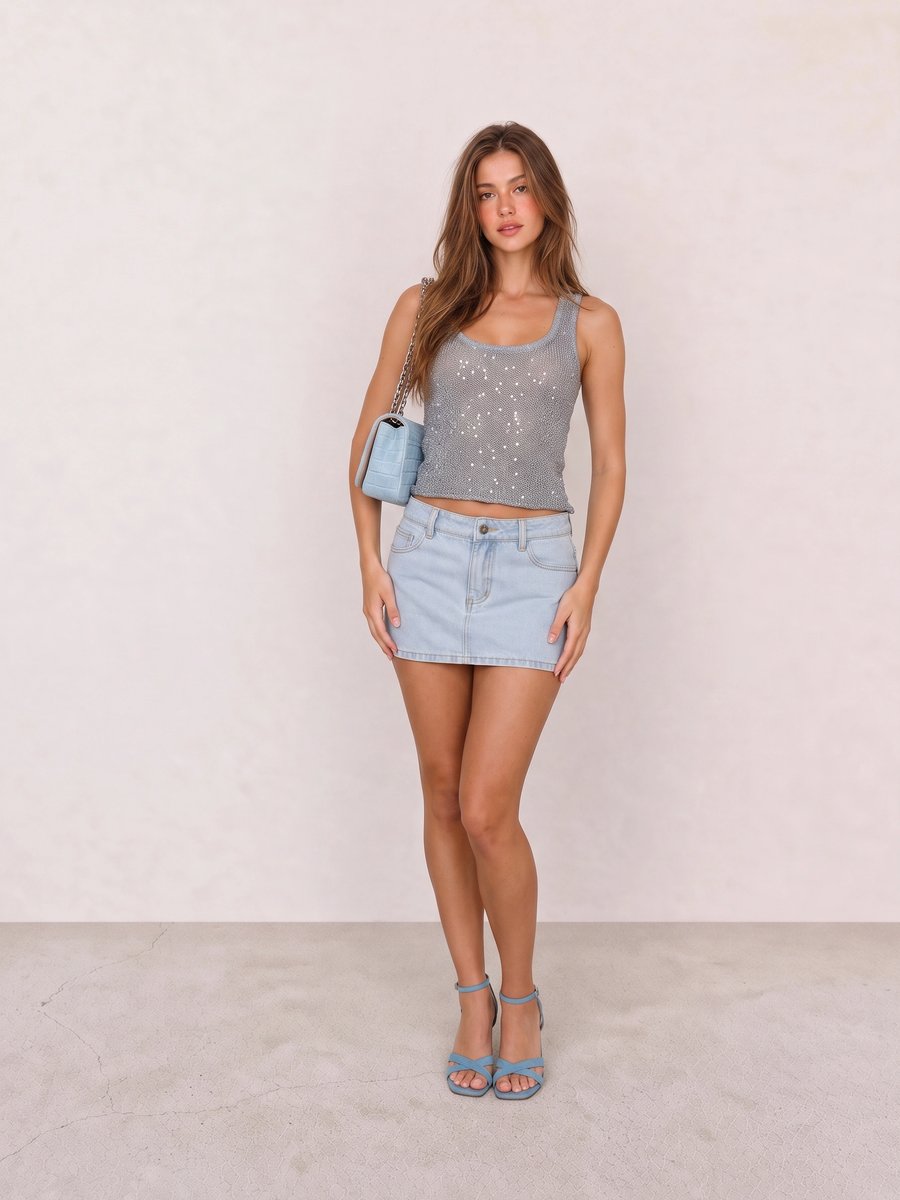
Swap the black sequin for silver and the grammar doesn't change — it just shifts temperature. A silver sequin tank next to light-wash denim reads cooler and more casual than the same idea in black, which is why it works as a daytime-adjacent going-out look rather than a strictly after-dark one. The denim is still doing the same job: matte, unbothered, there to let the sequin be the only thing catching light. The lesson holds across colorways, which is a big part of why it's a pattern and not a one-off styling trick.
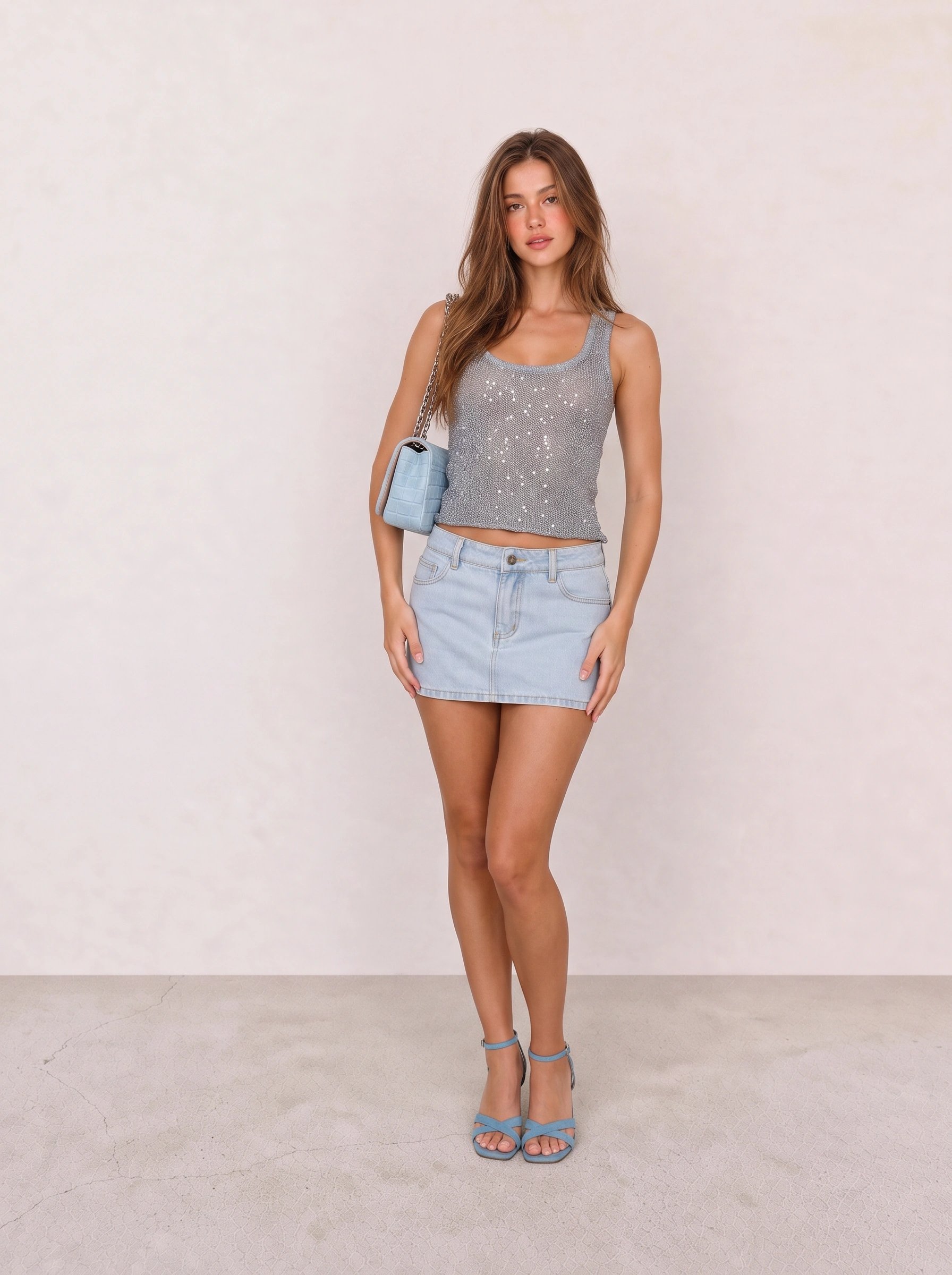
A Corset Is a Statement Piece Too, Not Just Sequins
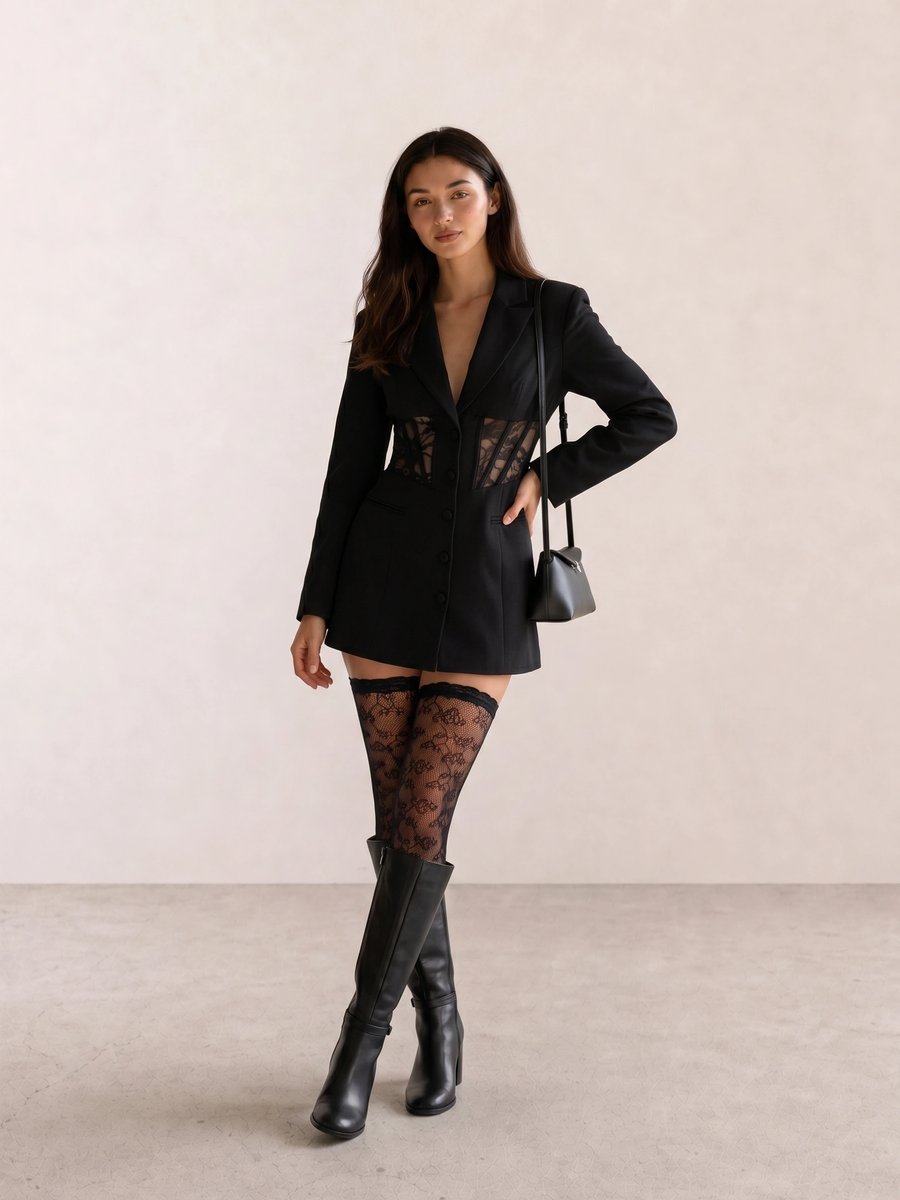
Shine isn't the only way to make a piece the loud one. A structured lace corset does the same job through shape instead of sparkle — it's the part of the outfit with the most going on, so knee boots and a plain silhouette elsewhere keep it from tipping into costume territory. It's worth separating the idea from the material: this isn't a sequins trend, it's a one-loud-piece principle, and sequins are just the version people notice first.
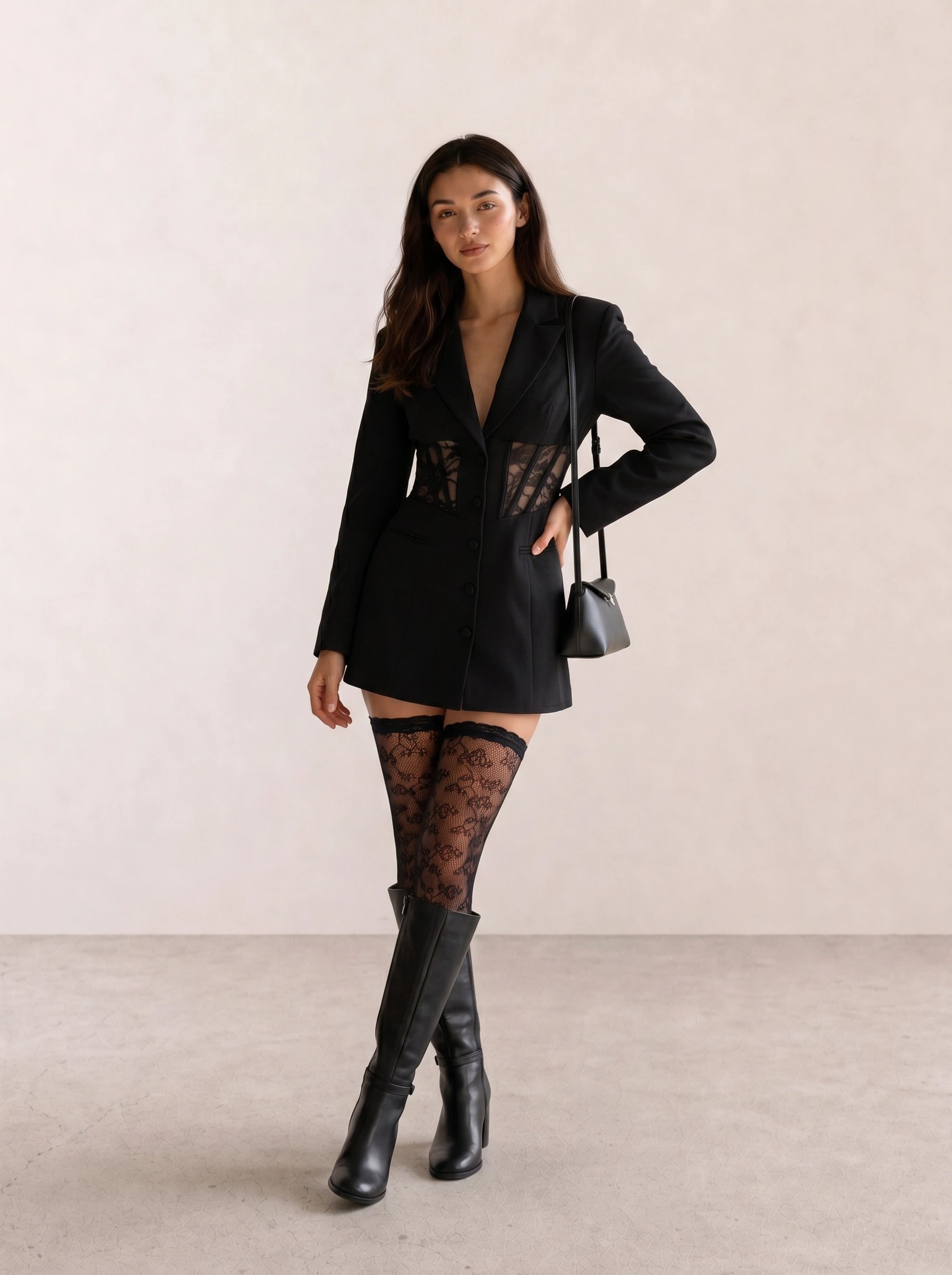
What This Means for How You Shop a Party Outfit
The practical shift is in what you're buying first. A matching set puts the decision in one purchase. Building around a statement piece means picking the loud item first — the corset, the sequin top, the metallic finish — and choosing everything else specifically to not compete with it. That's less about owning more pieces and more about being willing to let one thing in the outfit actually stand out, instead of asking every piece to share the load equally.
For the full range of looks this is pulled from, see our complete guide to party and night-out outfits, or browse the party & night out category for more.
Weekly outfit picks and style guides — no fluff, unsubscribe anytime.