Layering: What It Means and How to Do It Well
Layering is the styling skill that separates a put-together outfit from a pile of clothes. Here's what it actually means and how to do it right.
STYLEFINDEN editorial review: checked before publication for wearability, proportion logic and real-life outfit use. We explain our editorial method and image policy on the About page and keep affiliate independence details in the affiliate disclosure.
What Is Layering?
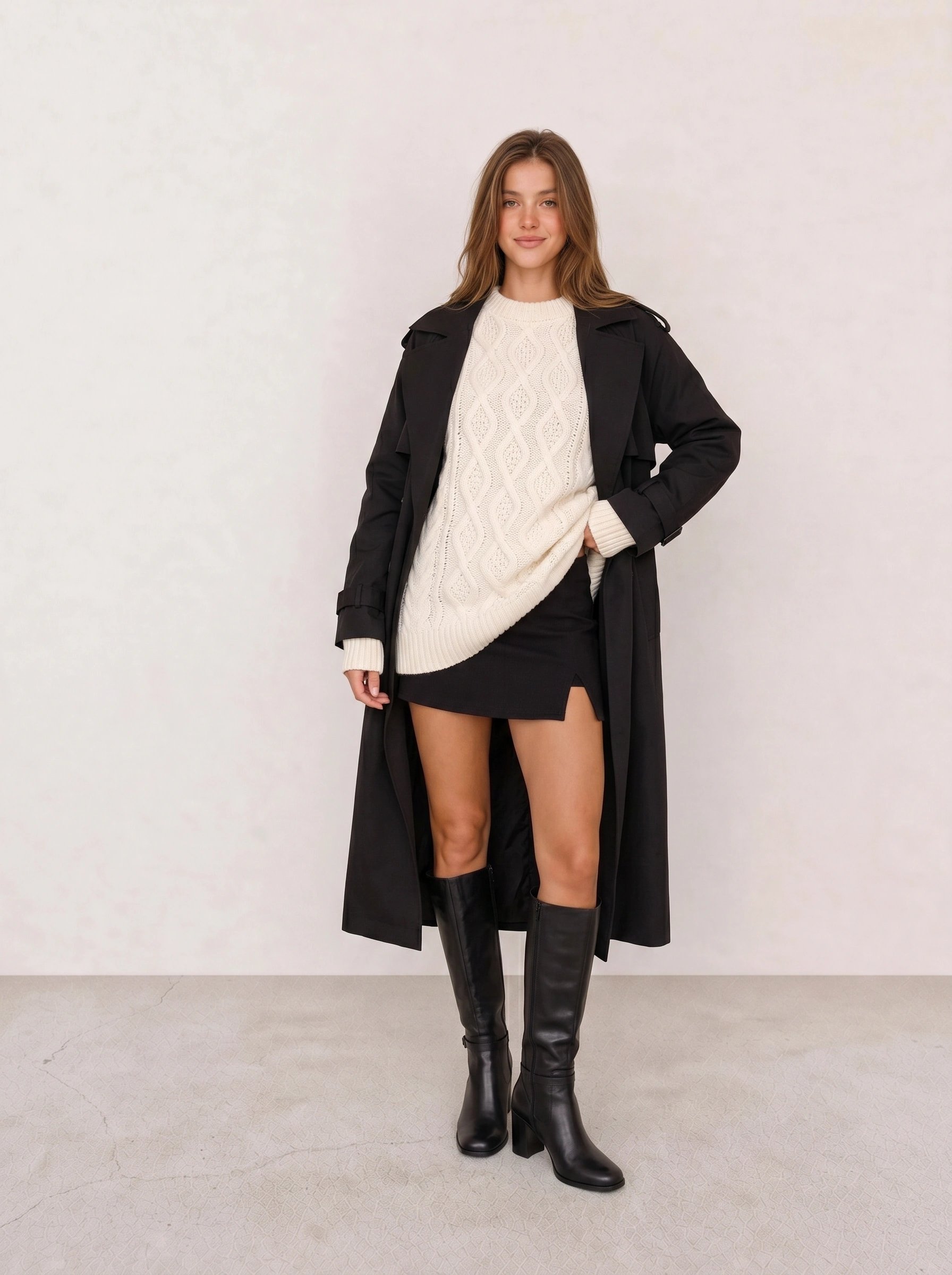
Layering is the technique of wearing multiple garments on top of each other so each piece serves a distinct purpose: warmth, shape, texture, or color. It is not the same as just putting on more clothes. A base layer manages temperature against the skin, a mid layer adds structure or insulation, and an outer layer finishes the silhouette and handles weather.
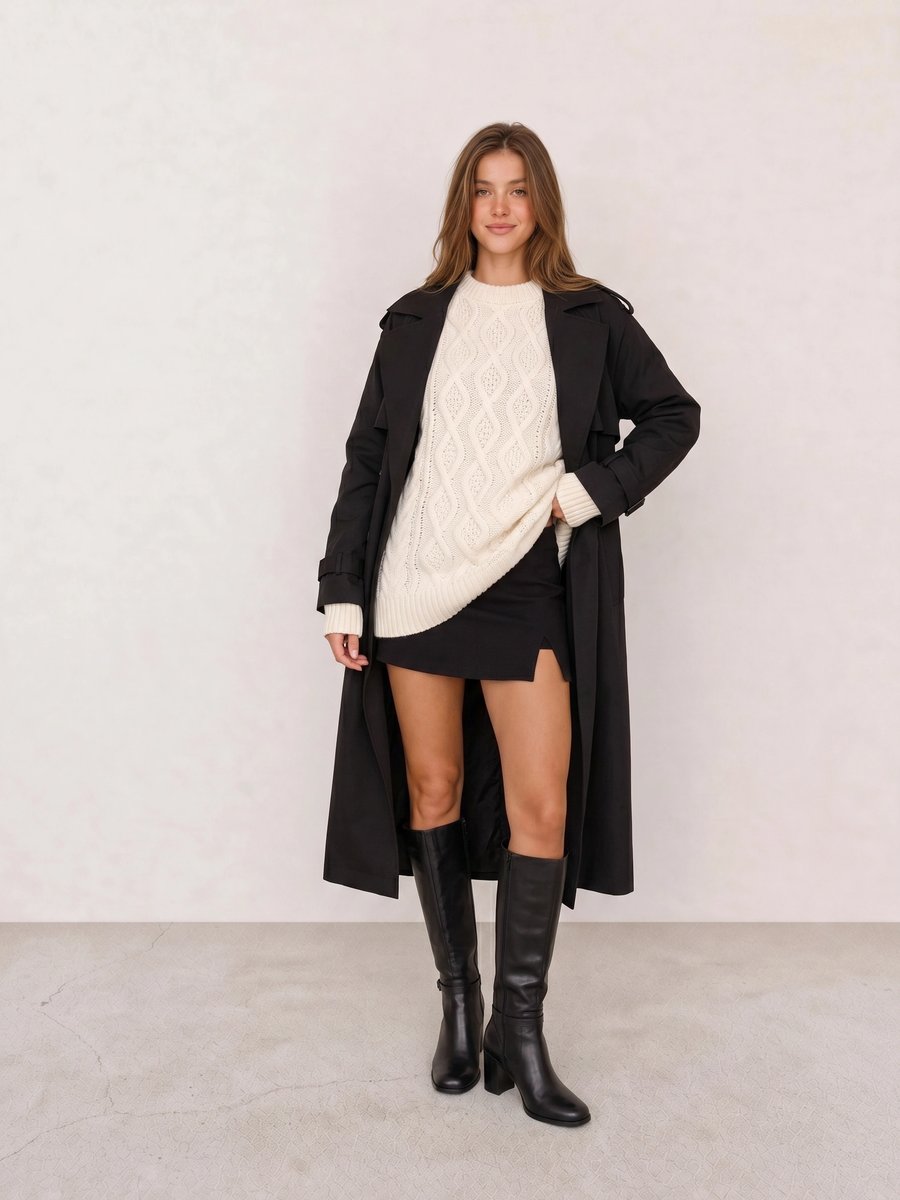
The skill is in the sequencing. A fitted cotton tee under an oversized wool cardigan under a structured trench reads intentional because each layer is a different weight and a different silhouette. Three loose pieces stacked together just reads bulky, no matter how nice the individual items are.
Where the Layering Trend Came From
Layering has practical roots. It was standard cold-weather dressing long before it became a styling concept, and it is still the most effective way to regulate body temperature: trapped air between layers insulates better than one thick garment. Mountaineering and workwear both built entire systems around it, and those base-mid-outer principles are the same ones a stylist uses today, just applied to fashion rather than function.
As a deliberate style statement, layering picked up momentum in the 1990s grunge scene, where flannel shirts were tied around the waist over band tees under oversized jackets, and again in early 2000s Japanese street style, where designers stacked contrasting textures and lengths on purpose. What used to be a way to survive winter became a way to show range: proportion play, unexpected fabric pairings, hems peeking out from under other hems.
Today the trend has shifted again. Where early 2020s layering leaned maximalist, piling on as many pieces as possible, the current direction favors fewer, better layers: one thoughtful mid layer instead of three thin ones, chosen for the fabric contrast it creates rather than sheer quantity.
How to Wear Layering
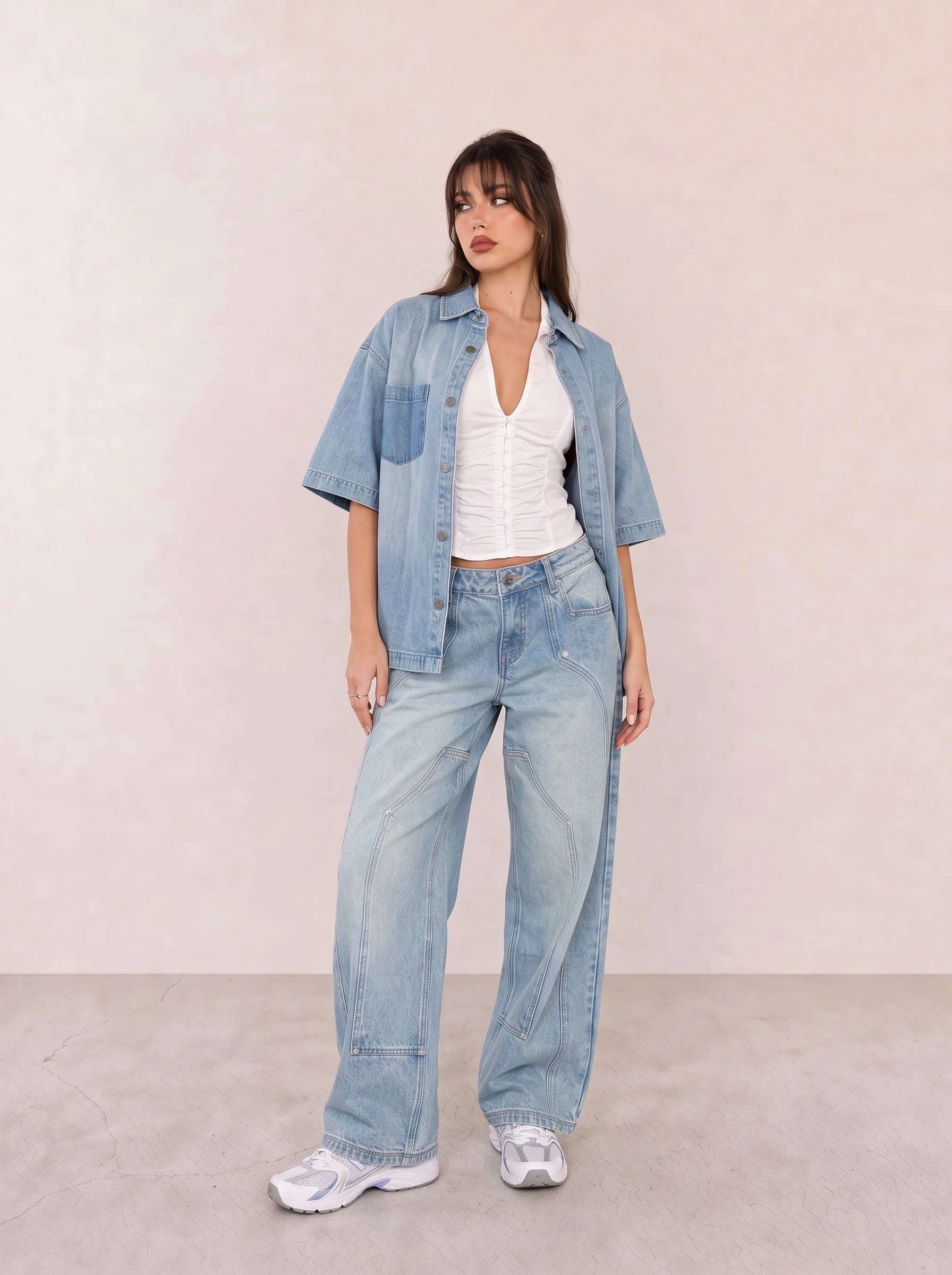
Start with the base layer closest to your skin. This should be the thinnest, most fitted piece: a fine-knit turtleneck, a cotton camisole, or a lightweight long-sleeve tee. If this layer is bulky, everything on top of it will be too, so keep it slim by design.
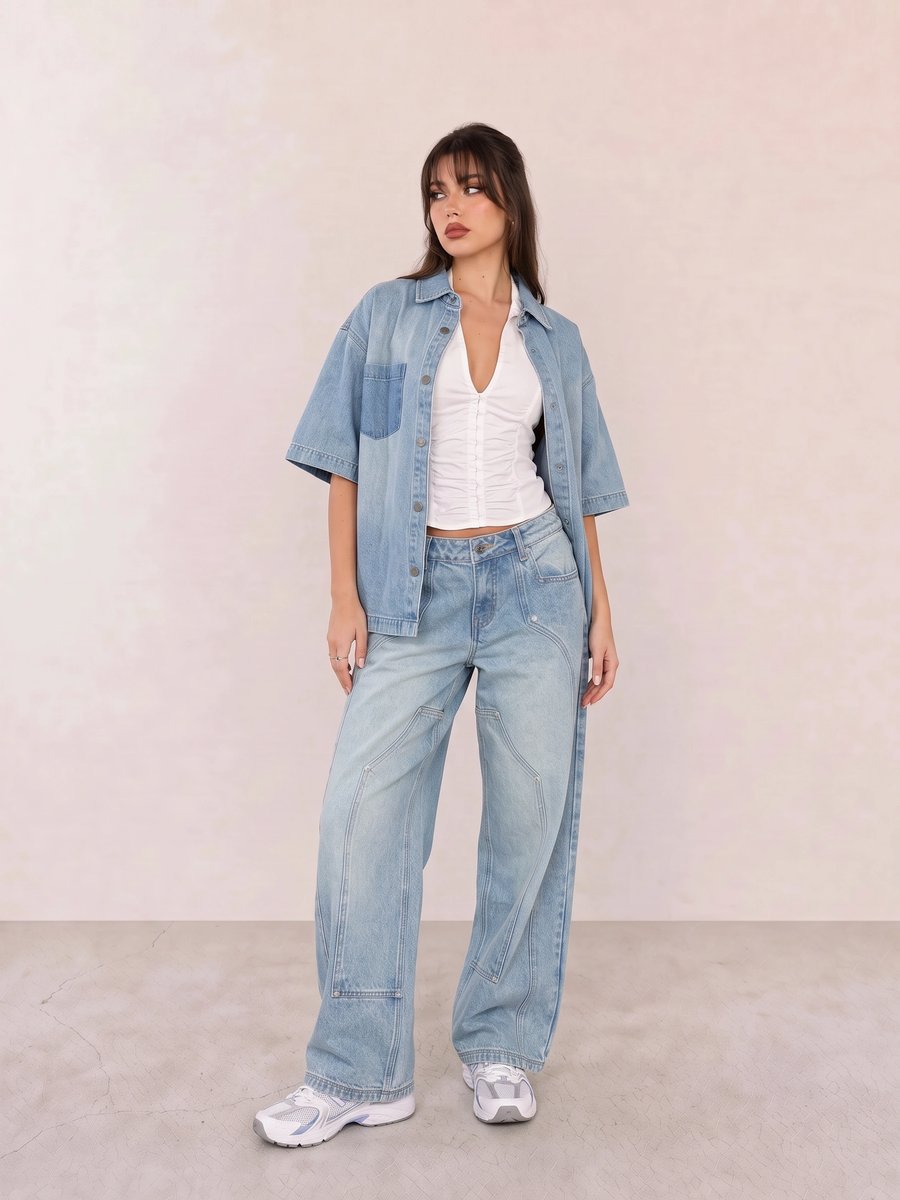
The mid layer is where the outfit gets its personality: a chunky cardigan, a fitted vest, a denim shirt worn open. This is also where proportion matters most. If the base is fitted and the outer layer is oversized, the mid layer can go either way, but two oversized pieces stacked together will erase your waistline entirely.
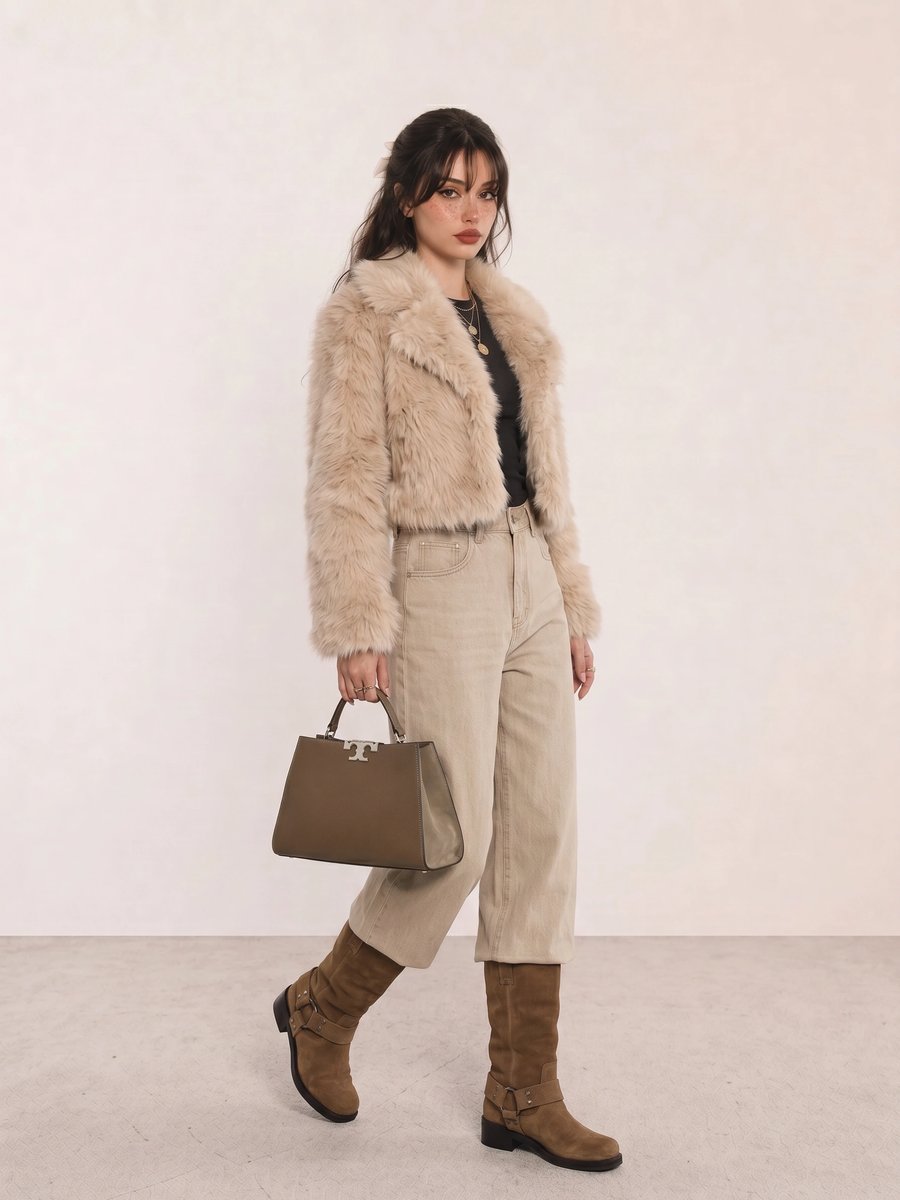
The outer layer does two jobs: it protects against weather and it sets the final silhouette. A structured blazer or a tailored coat sharpens the whole look, while a relaxed shacket or an oversized parka softens it. Choose based on the shape you want the outfit to end on, since that outer piece is what people see first.
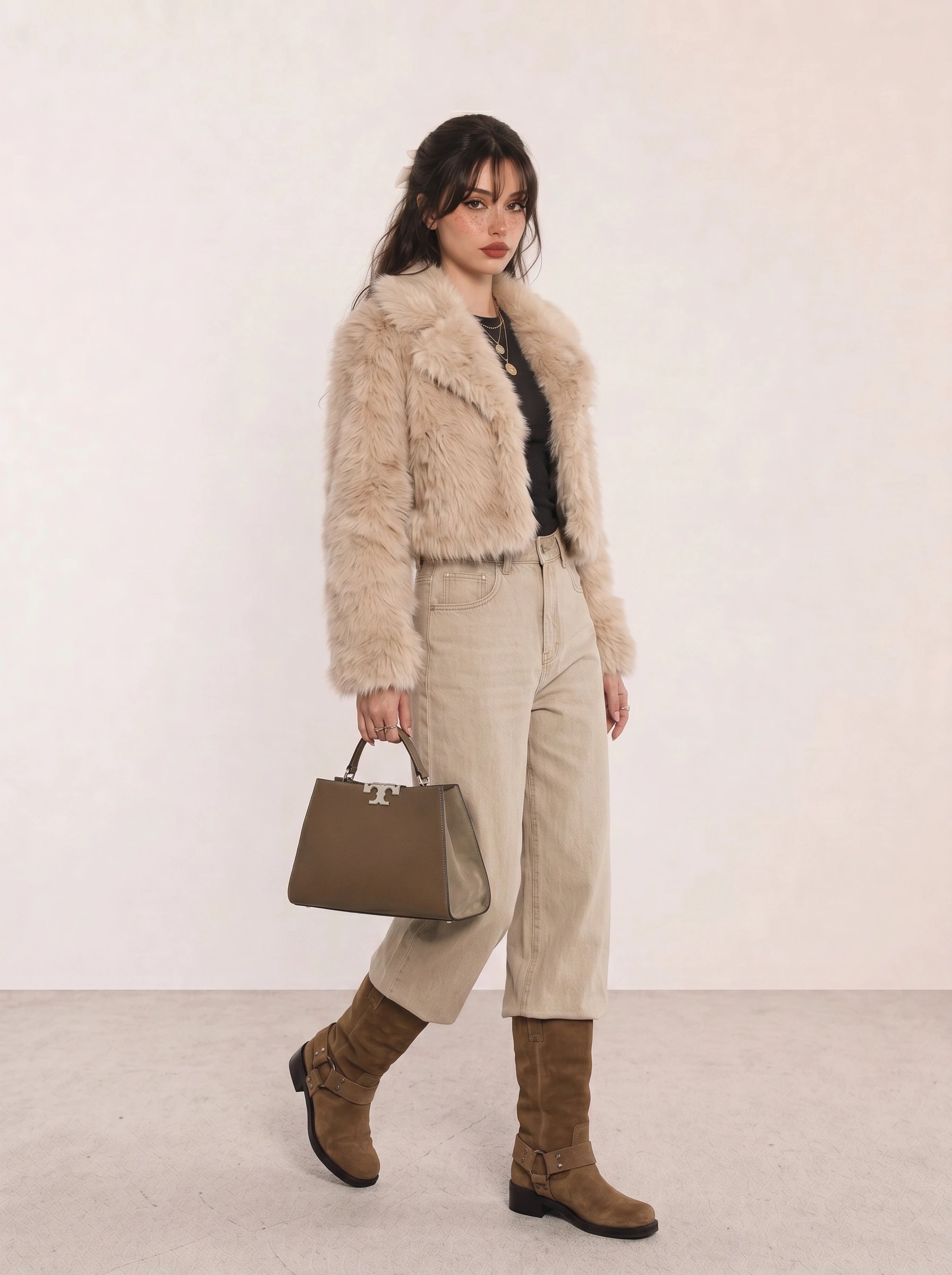
A rule worth remembering: vary the lengths. If every layer ends at the same hemline, the outfit reads flat. Let a longline cardigan peek below a cropped jacket, or let a shirt collar show above a sweater neckline. That small visible overlap is what makes layering look considered rather than accidental.
Related Styles and Outfits
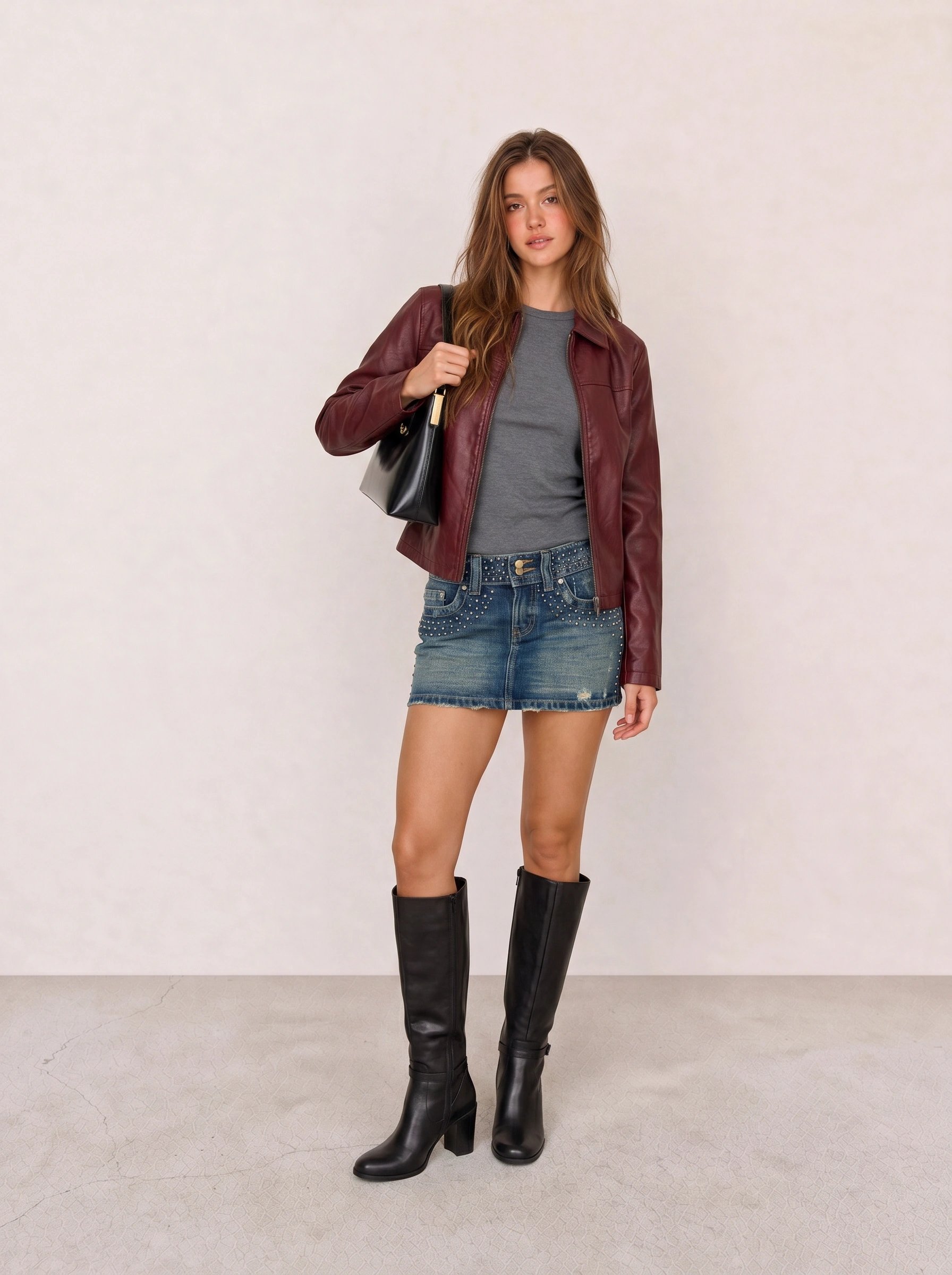
Layering is not tied to one look. It shows up differently depending on the aesthetic you are building.
In casual style, layering is one of the defining traits: a hoodie under a denim jacket, or a flannel tied at the waist over a plain tee. The pieces are relaxed on purpose and the appeal is in how easy it looks to throw together, even when it is not. Minimalist style takes the opposite approach: fewer layers, each one a clean silhouette in a tight color range, so the outfit reads sharp rather than casual.
Classic style leans on layering for polish, think a blazer over a fine-knit sweater over a collared shirt, all in tailored proportions. Korean fashion uses layering for proportion play, an oversized coat over a fitted turtleneck and wide-leg pants, where the contrast in volume is the whole point. And boho style layers for texture: a crochet vest over a flowy dress over a slip, mixing fabrics that would clash in any other context but work because the whole look is built on that mix.
Browse the full styles directory to see how layering shifts across different aesthetics.
For related proportion work, oversized fit covers single-piece volume, while athleisure shows how technical layers can move into daywear.
Common Layering Mistakes
The most common mistake is stacking too many thick pieces. A wool sweater under a puffer under a heavy coat will not keep you warmer than one good coat and a thin base layer. It will just restrict your arms and add bulk with no benefit. Choose one insulating layer and let the rest be thin.
Another mistake is ignoring fabric weight ratios. Pairing two heavy knits together, like a chunky cardigan over a thick turtleneck, adds visual weight without adding shape. Balance a heavy piece with something lighter, such as a fine-gauge base under a chunkier mid layer, so the outfit still has definition.
Matching hemlines is a quieter mistake but just as flattening. When a jacket, sweater, and shirt all stop at the same point on the body, the eye has nothing to follow and the outfit looks like one solid block instead of separate pieces working together.
A layered look also needs at least one anchor point, usually the waist. Skip a belt or a tucked-in base layer and the outfit can lose its shape entirely, turning into fabric with no defined silhouette underneath.
How many layers should you wear at once?
Three is usually the practical limit: a base layer, a mid layer, and an outer layer. Going beyond that tends to add bulk rather than style, unless every piece is genuinely thin, like a camisole under a shirt under a light cardigan under a blazer. As a general guide, if you cannot bend your elbow comfortably, you have gone one layer too far.
What is the difference between layering and just wearing multiple clothes?
Layering is intentional, wearing multiple clothes is not. Real layering considers each piece's weight, length, and fit relative to the others so the outfit builds shape rather than just adding coverage. If you can remove any single layer and the outfit still looks complete and correctly proportioned, you have layered it well.
Weekly outfit picks and style guides — no fluff, unsubscribe anytime.