Dopamine Dressing: What It Means and How to Wear It
Dopamine dressing means wearing color, pattern, and texture that genuinely make you feel good, not muted neutrals chosen to play it safe.
STYLEFINDEN editorial review: checked before publication for wearability, proportion logic and real-life outfit use. We explain our editorial method and image policy on the About page and keep affiliate independence details in the affiliate disclosure.
What Is Dopamine Dressing?
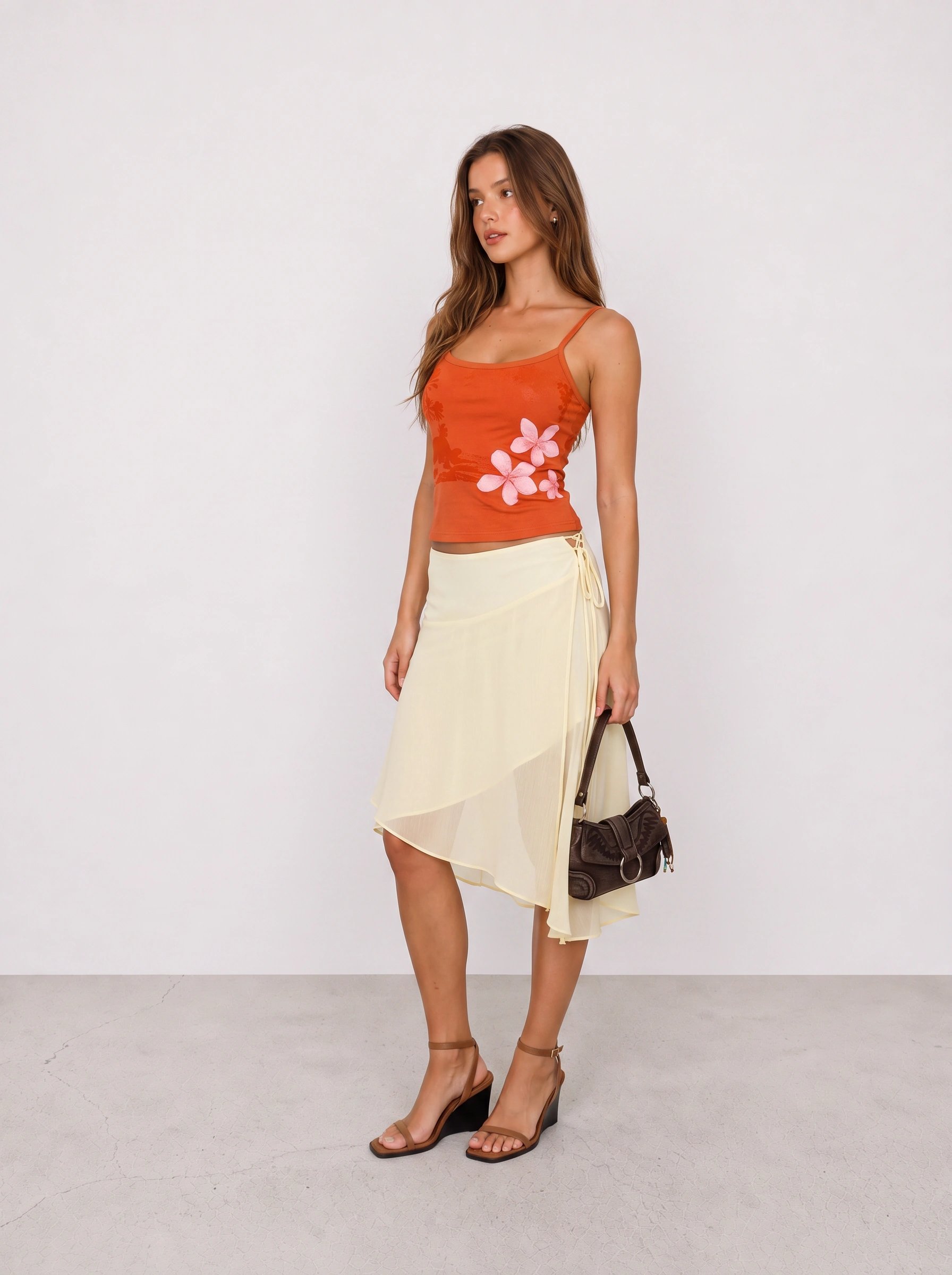
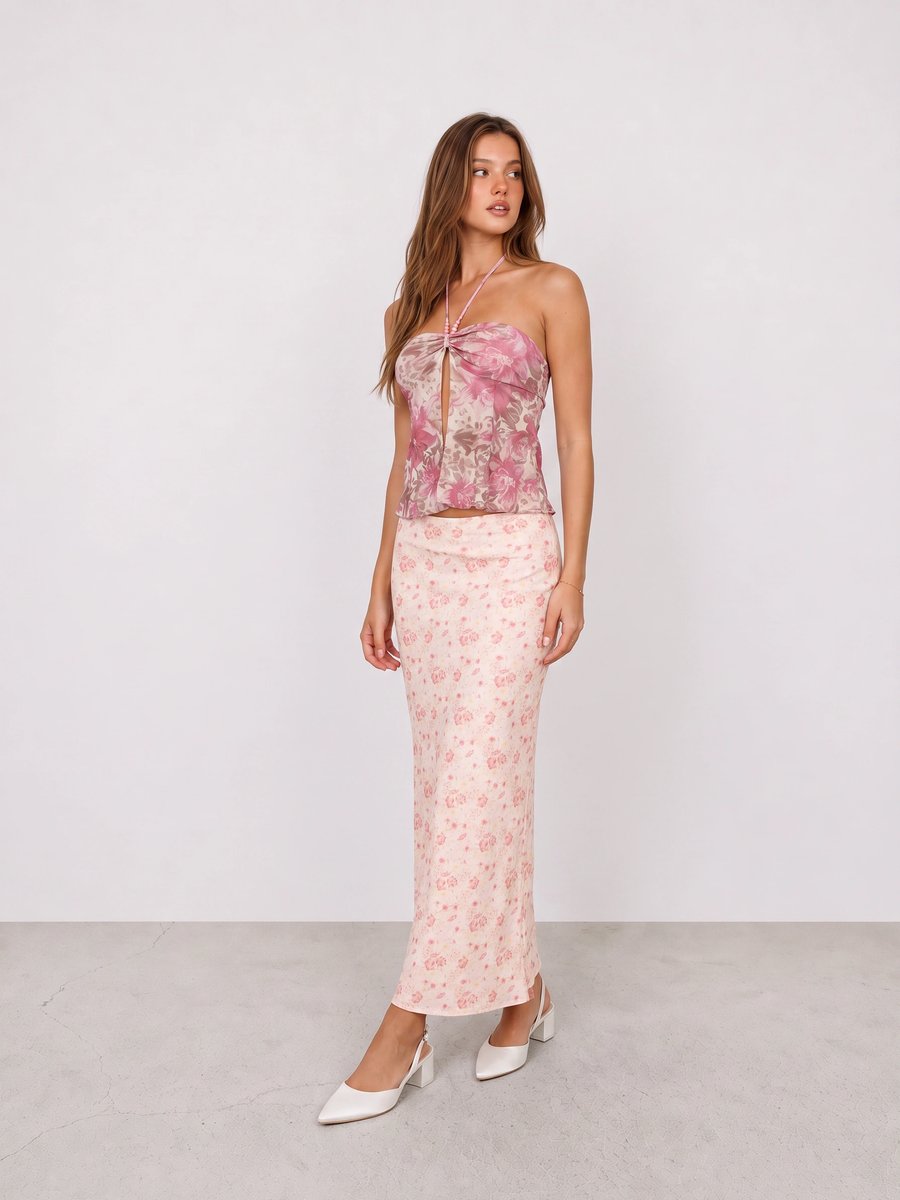
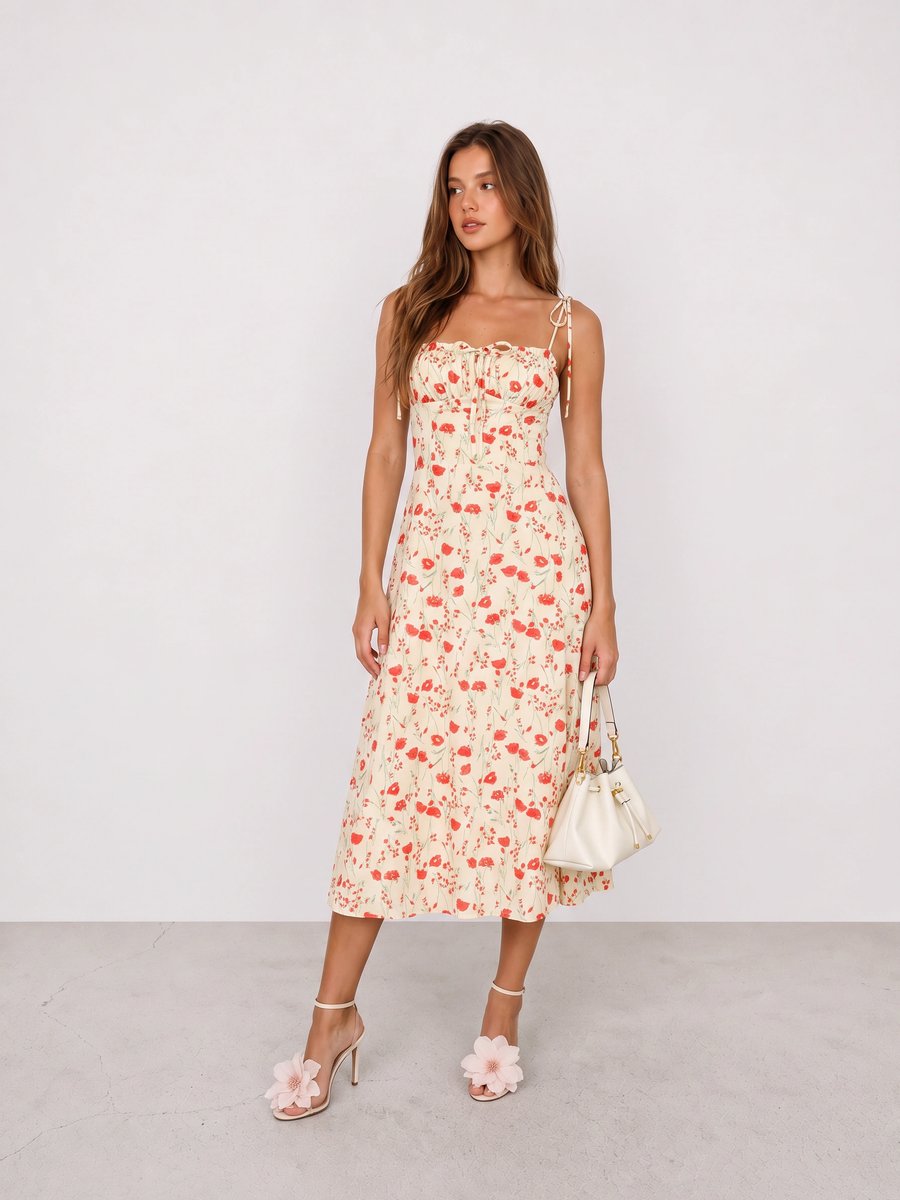
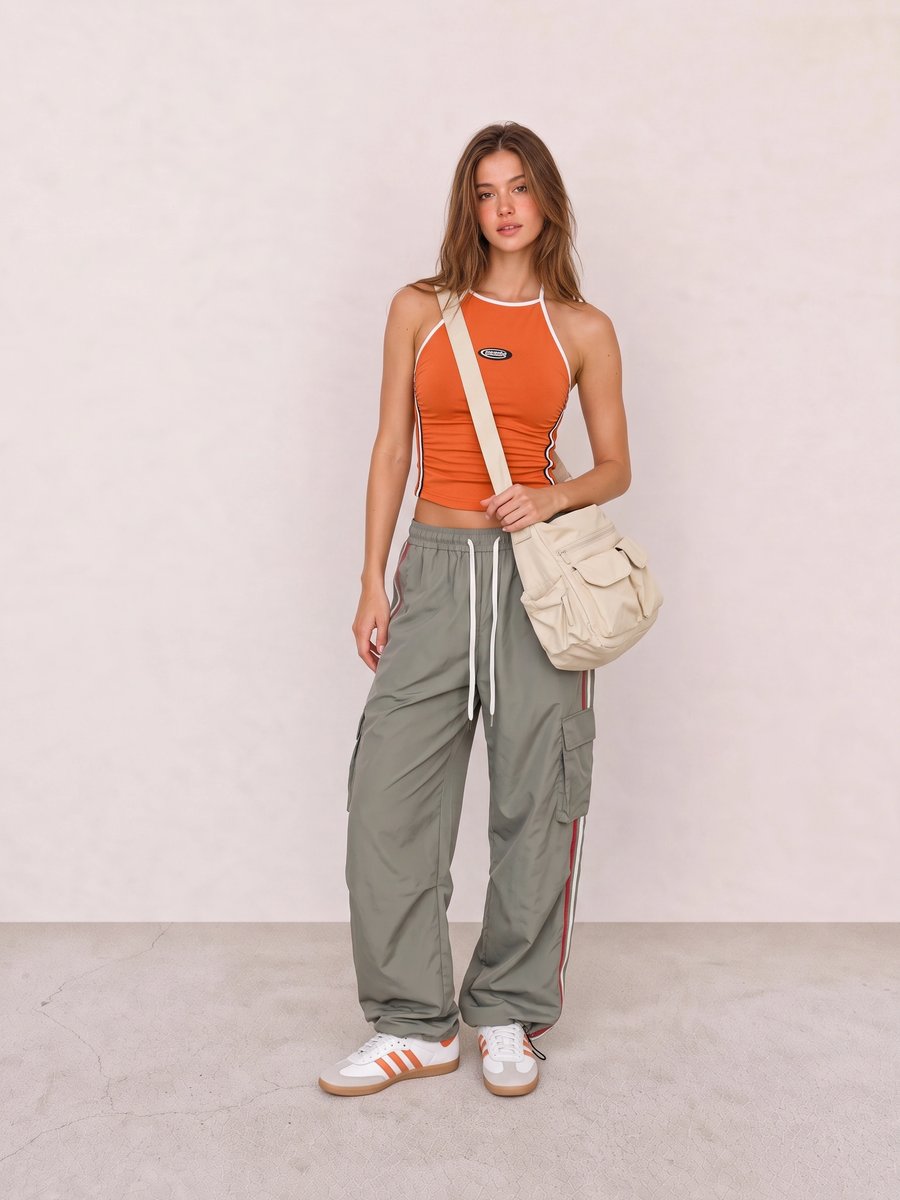
Dopamine dressing is the practice of choosing clothes based on how they make you feel rather than how safely they blend in. The name borrows from the brain chemical linked to pleasure and reward, and the idea is simple: bright color, playful pattern, and unexpected texture can genuinely lift your mood before you've even left the house.
It is not a single silhouette or a fixed color palette. A cobalt blue blazer, a lime green sweater, a clashing print skirt, all of it counts, as long as the piece was chosen because it sparks something rather than because it was the least risky option in the closet. The common thread is intention, not a specific hue.
It reads as maximalist at a glance, but the two are not the same thing. Maximalism is about volume, layering as much as possible into one look. Dopamine dressing can be a single yellow coat over an otherwise plain outfit. The point is emotional payoff, not sheer quantity of stuff on the body.
Where the Dopamine Dressing Trend Came From
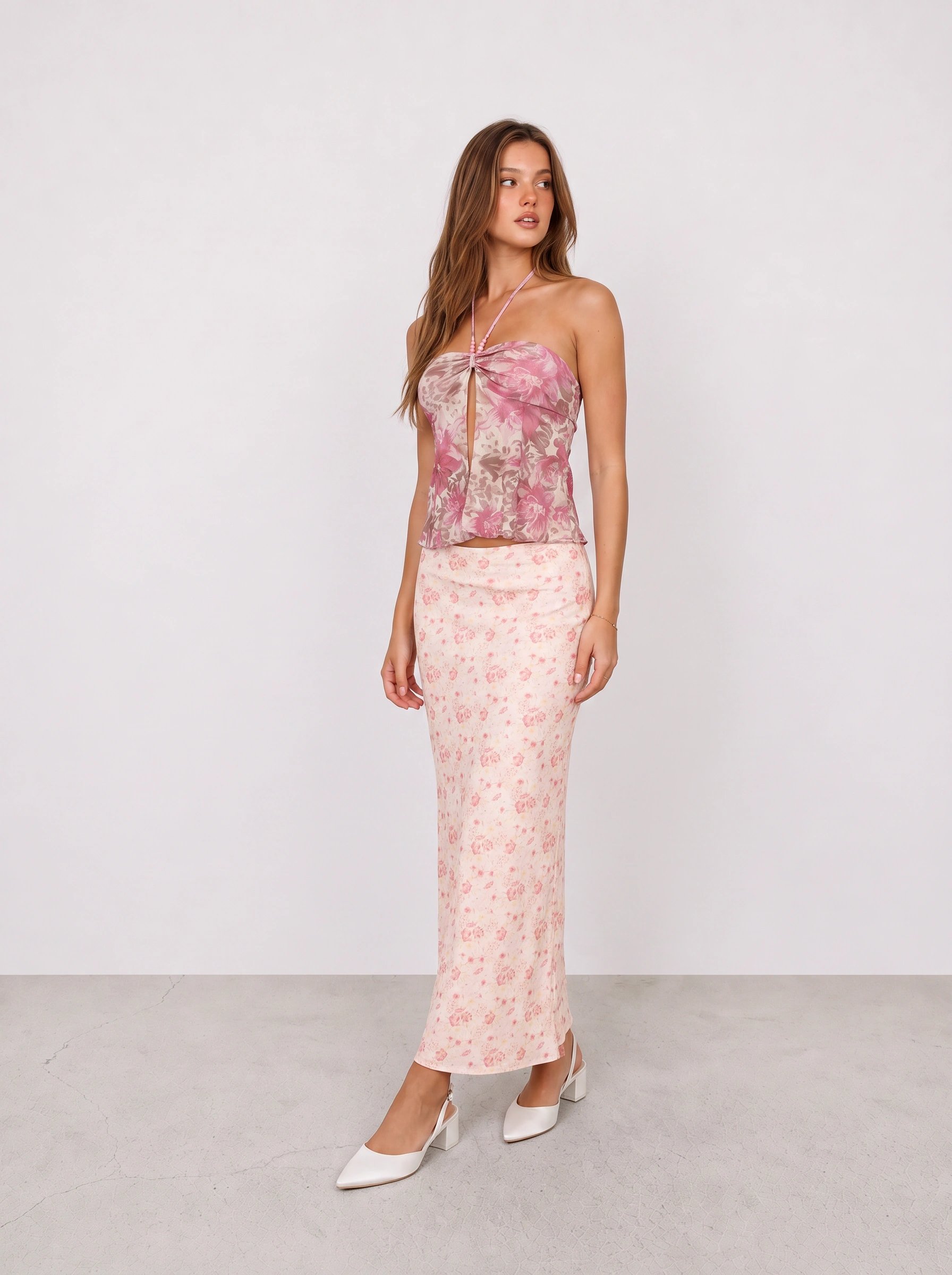
The term picked up momentum in 2022, when lockdowns had lifted and a lot of women were done with the sweatpants-and-neutrals uniform that had defined the previous two years. Color psychology research, some of it genuinely peer-reviewed and some of it recycled by TikTok, gave people a vocabulary for something they were already feeling: dressing brighter made getting dressed fun again.
The aesthetic itself has older roots. It owes a real debt to 1980s power dressing, when women like Diana Vreeland's editorial pages and designers like Gianni Versace used saturated color as a form of confidence, not decoration. Y2K fashion's love of clashing brights in the early 2000s is another direct ancestor, and both eras get referenced constantly in current dopamine dressing content.
What changed this time around is the framing. Earlier bold-color trends were sold as a way to stand out. Dopamine dressing was sold as a way to feel better, which is part of why it caught on during a period when a lot of people were openly talking about mental health and small daily rituals of self-care.
How to Wear Dopamine Dressing
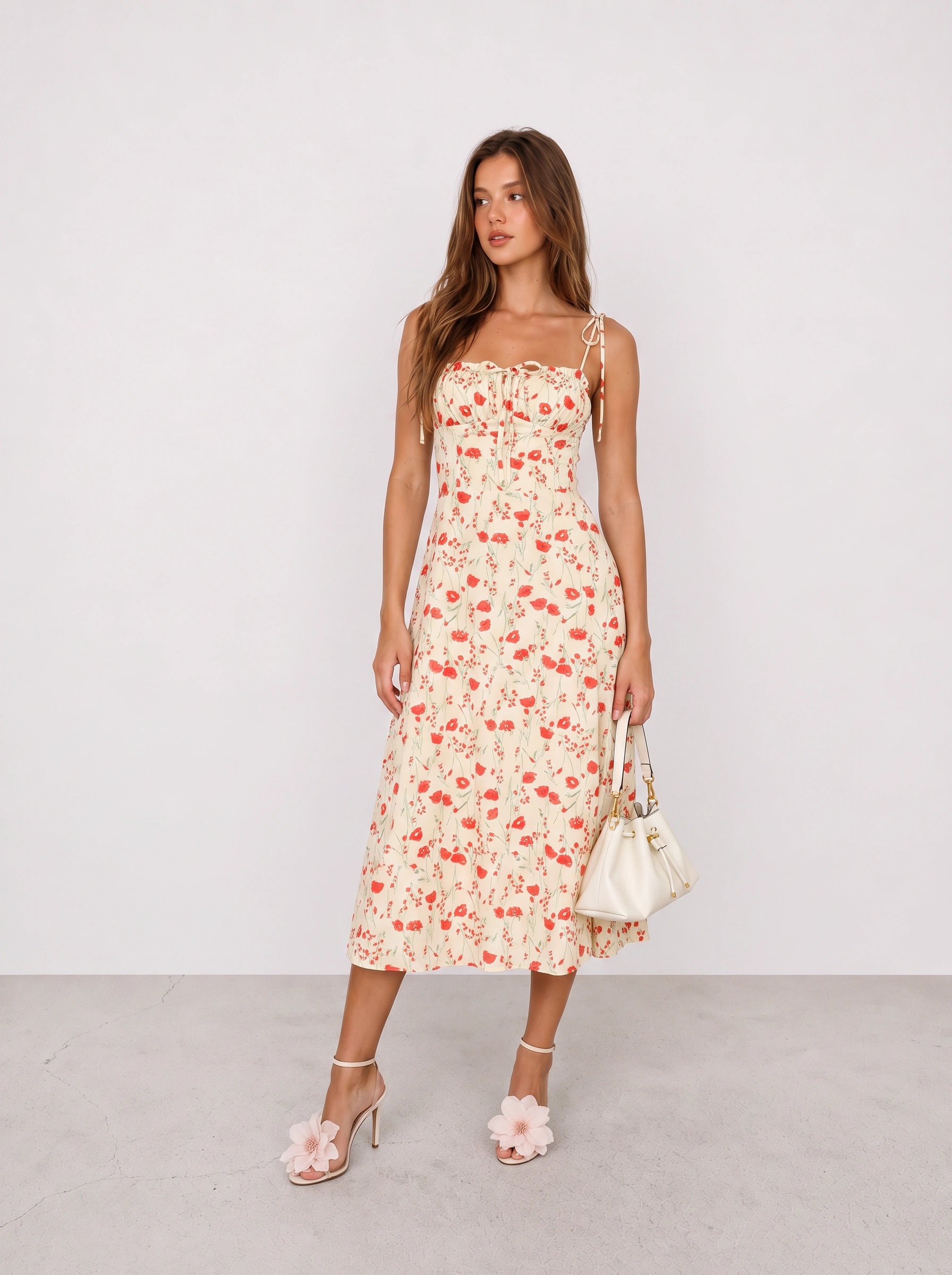
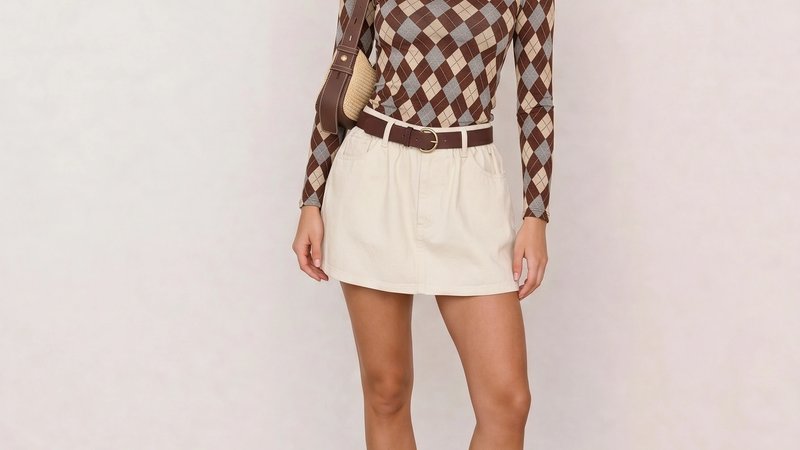
Start with one anchor piece in a color you actually love, not a color you think you should love. A cherry red cardigan or a cobalt midi skirt works harder than five small colorful accessories scattered across a neutral outfit, because the eye has one clear place to land.
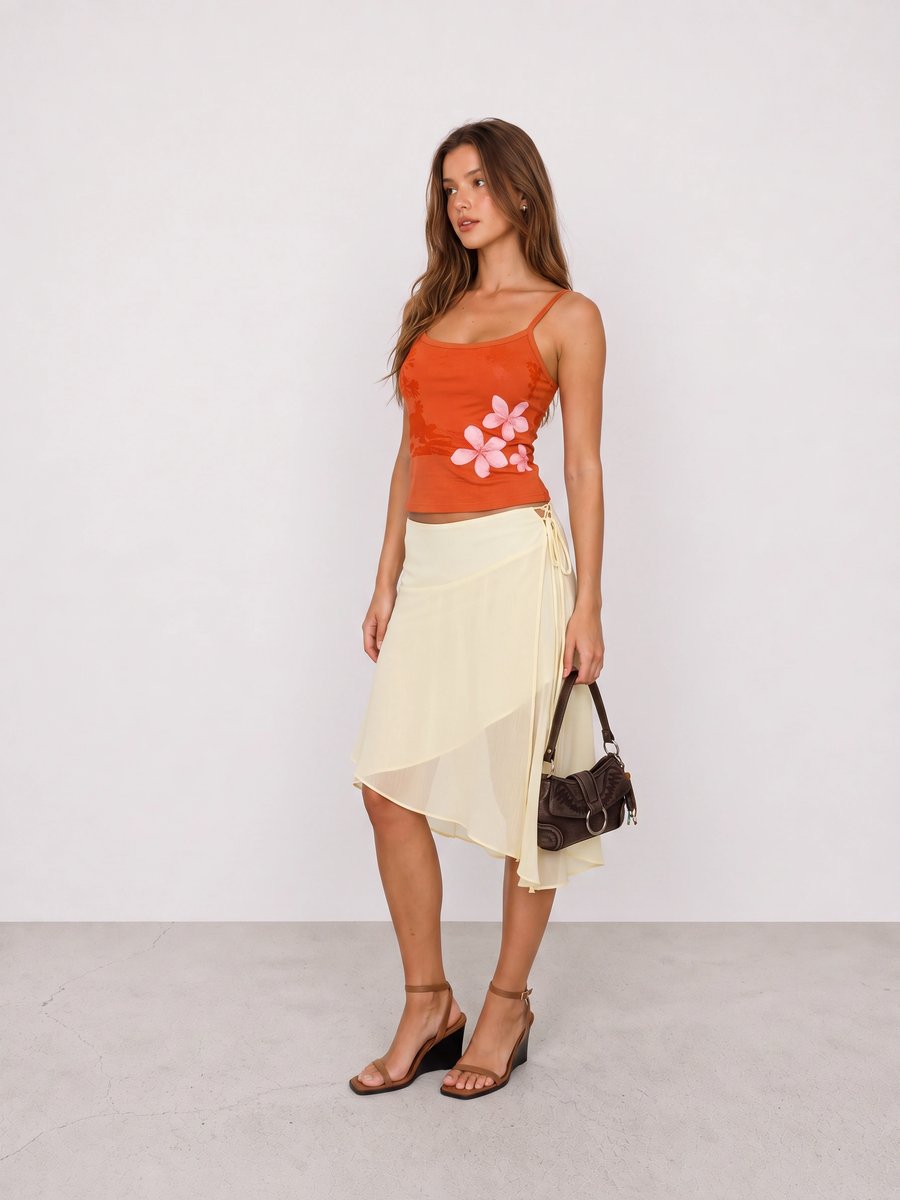
Color theory does the heavy lifting here. Complementary pairings, like orange with blue or pink with green, create energy without turning into visual noise, while a single saturated color against denim or cream keeps the outfit wearable for daytime. Save true clashing combinations for pieces you already feel confident in.
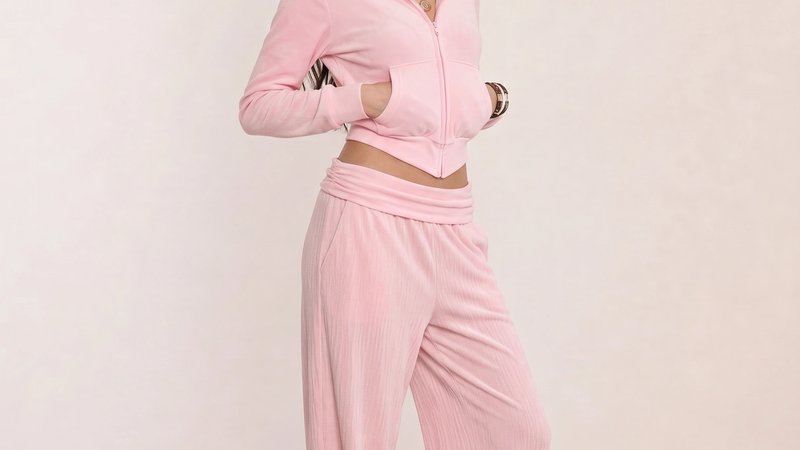
Texture is the quieter tool in this aesthetic. A boucle jacket, a satin skirt, or a chunky knit in a bright color reads as considered in a way that a flat cotton version of the same color does not. Mixing one bold texture with one bold color, rather than piling on both everywhere, keeps the outfit from tipping into costume territory.
If you're new to this, buy one bold piece before you buy five. A single bright coat or a patterned blouse worn against your existing neutral pieces will tell you fast whether you actually enjoy wearing color, before you've committed a whole paycheck to a new palette.
Related Styles and Outfits
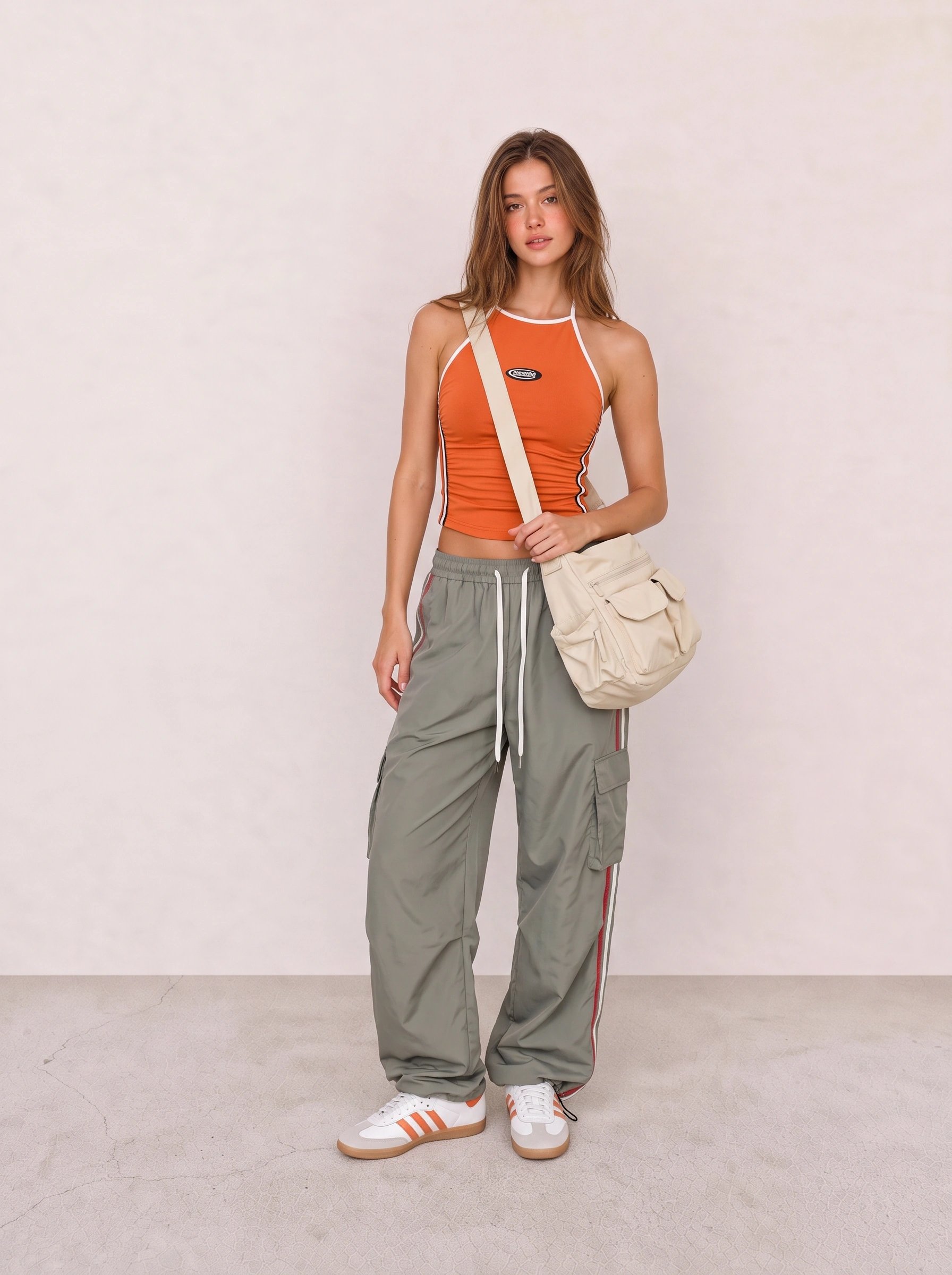
Dopamine dressing shows up most naturally in streetstyle, where color and proportion have always been used to make a statement. The main difference is intent: streetstyle is often about being seen, while dopamine dressing is about how the color makes the wearer feel, even on a day with no audience at all.
It also overlaps with festival style, which shares the same appetite for bold color and pattern layered without much restraint. Festival dressing pushes further into costume territory for a single event, while dopamine dressing is built to hold up in ordinary daily rotation.
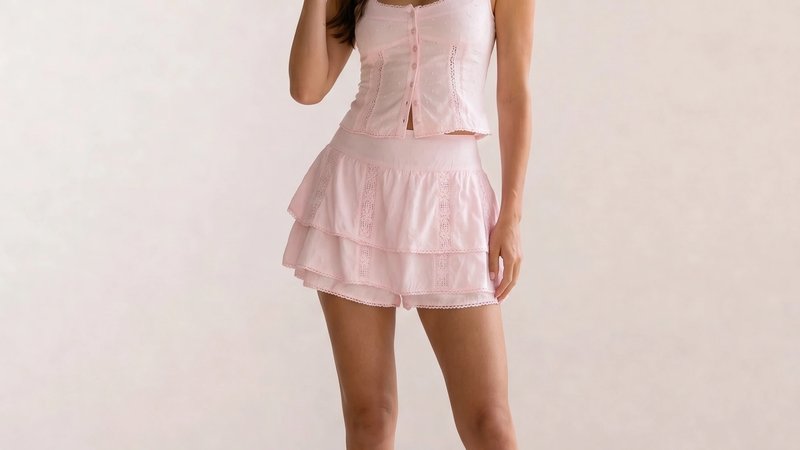
If your version of feel-good dressing leans sweeter rather than loud, cute-coquette style channels the same mood-first logic through pastel color and playful detail instead of saturated brights.
For more ways to build color and texture into full outfits, browse the style galleries for looks that mix and match across related aesthetics.
For contrast, monochrome outfit shows the opposite color discipline; cottagecore shows how mood-led dressing can stay soft instead of loud.
Common Dopamine Dressing Mistakes
The most common mistake is buying color you don't actually like because a trend report said it was the color of the season. Dopamine dressing only works when the color choice is personal. Borrowed enthusiasm reads as costume the moment you put it on.
Overloading one outfit with too many bright, unrelated colors is the second trap. Five different saturated hues fighting for attention in one look usually reads as chaotic rather than joyful. One or two lead colors, with the rest of the outfit playing a supporting role, is far more wearable.
Ignoring fit is another error people make when they get excited about color. A boldly colored piece that doesn't fit properly draws attention to the fit problem, not the color. The brighter the fabric, the more the silhouette needs to actually work on your body.
Treating this as an all-or-nothing switch is the last common mistake. You don't need to overhaul your whole closet in one weekend. A single bold piece worn against your existing neutrals is enough to bring the mood-lifting effect into a wardrobe that otherwise stays quiet.
Does dopamine dressing actually improve your mood?
Some research on color and emotion supports the idea that brighter, saturated color can have a small, real effect on mood and confidence, though the science is not as settled as social media framing suggests. What matters more than any study is personal association: a color that reminds you of something happy will lift your mood regardless of what a chart says about wavelengths.
Is dopamine dressing the same as maximalism?
No, maximalism is about volume and layering as many elements as possible into one outfit, while dopamine dressing is about emotional intent behind color and texture choices, which can show up in a single bold piece worn against an otherwise simple look. Maximalism describes how much is on the body, dopamine dressing describes why it's there.
Weekly outfit picks and style guides — no fluff, unsubscribe anytime.