Cottagecore: What It Means and How to Wear It
Cottagecore means dressing for a romanticized rural life: prairie dresses, linen, florals, and soft, lived-in femininity over polish.
STYLEFINDEN editorial review: checked before publication for wearability, proportion logic and real-life outfit use. We explain our editorial method and image policy on the About page and keep affiliate independence details in the affiliate disclosure.
What Is Cottagecore?
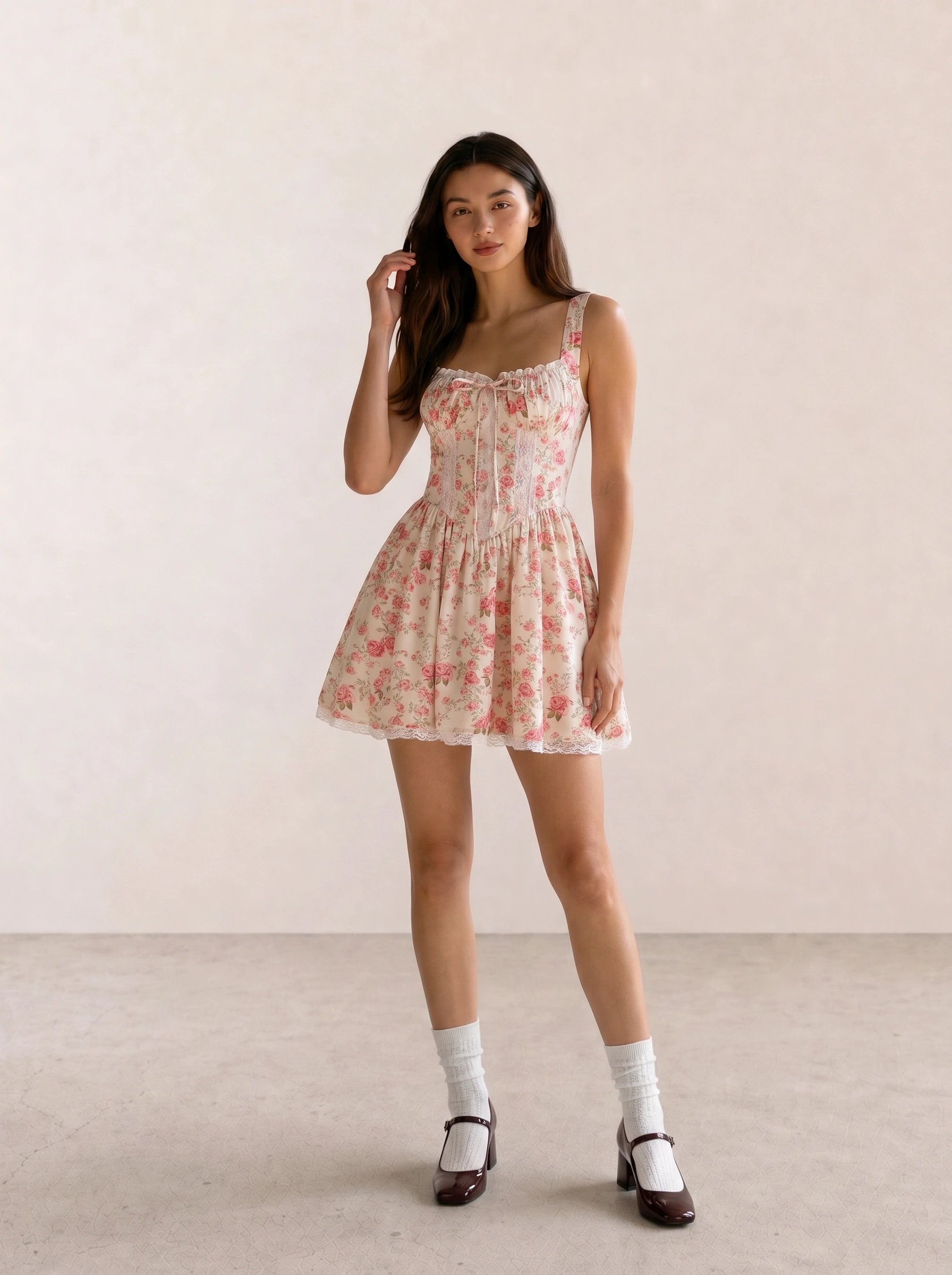
Cottagecore is a fashion and lifestyle aesthetic built around the idea of rural simplicity. Think baking bread, tending a garden, wearing a dress that could survive a walk through a wheat field. The clothing follows that fantasy closely: soft cotton and linen, high necklines, puffed sleeves, and hemlines that move when you walk.
cottagecore is a rejection of hyper-polished, city-coded dressing. There is no sharp tailoring here, no structured blazer doing the talking. The silhouette is loose, the fabric is natural, and the whole point is to look like you dressed for comfort and beauty at the same time, not for a boardroom or a club.
It reads soft and nostalgic, but it is not the same as boho or granny-chic. Cottagecore is narrower and more romantic. It borrows from a specific pastoral fantasy, not a broader vintage grab bag, and that specificity is what makes it recognizable at a glance.
Where the Cottagecore Trend Came From
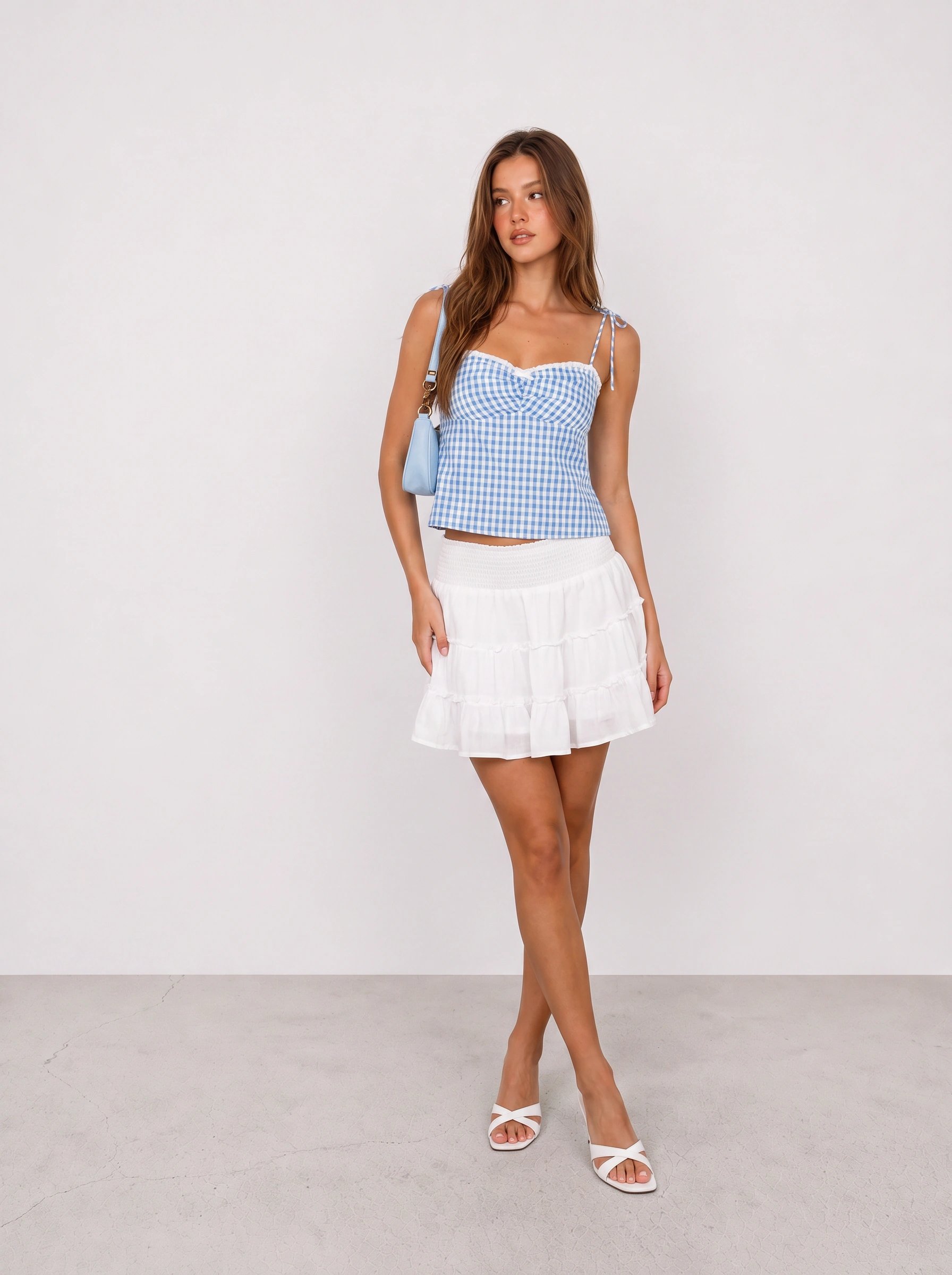
Cottagecore started as a Tumblr aesthetic in the late 2010s, built by users curating soft-focus photos of gardens, farmhouses, and prairie dresses. It moved to TikTok around 2020 and exploded during the pandemic, when a huge number of people stuck at home suddenly wanted their clothes and their spaces to feel slower and gentler. Sourdough starters and puff-sleeve dresses rose in popularity at the exact same moment, and that was not a coincidence.
The visual language actually goes back much further. Prairie dresses and pinafores draw from late 19th-century American frontier dress and early 20th-century European peasant clothing, both of which were also mined by designers like Ralph Lauren decades before the internet gave the look a name. Cottagecore just repackaged that romantic-rural silhouette for a generation raised on screens.
Taylor Swift's 2020 album folklore, with its cardigans and forest imagery, gave the aesthetic a mainstream pop-culture anchor right as it was peaking online. It did not start the trend, but it made it legible to people who had never heard the word cottagecore. That crossover moment is a big part of why the look outlasted most other pandemic-era micro-trends.
How to Wear Cottagecore
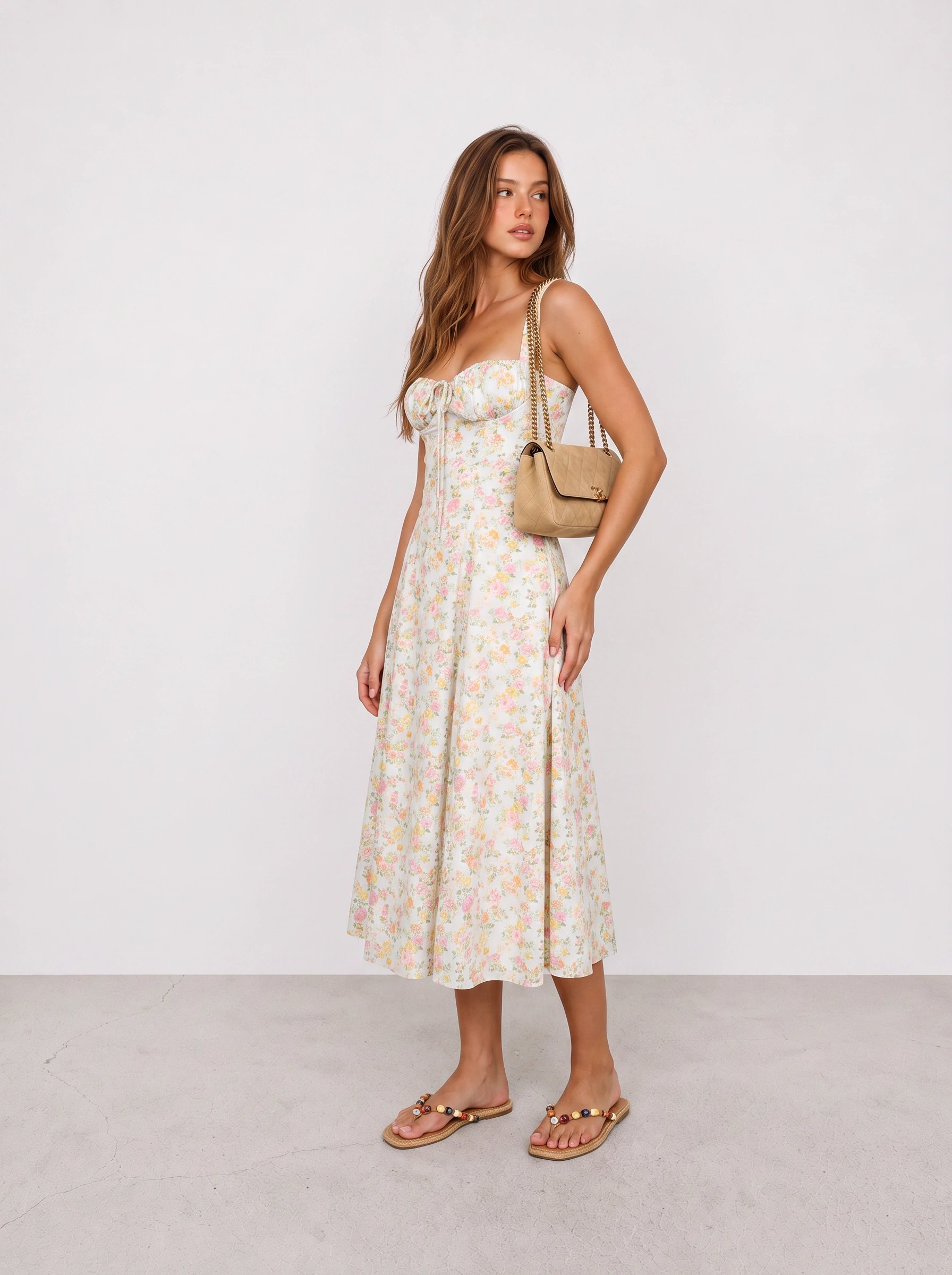
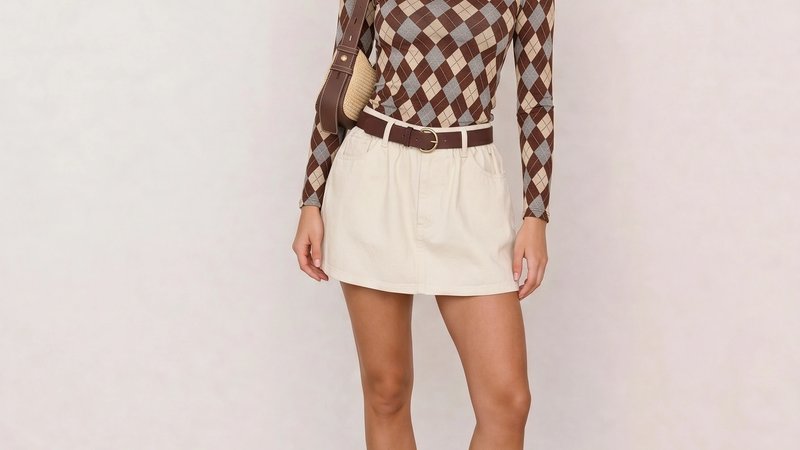
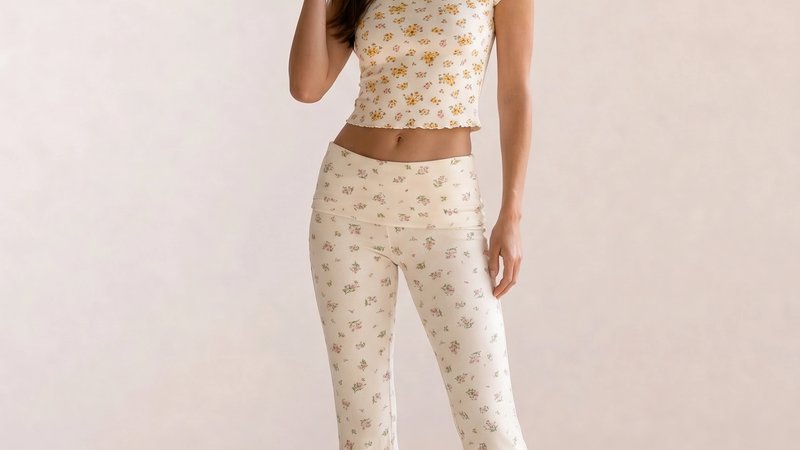
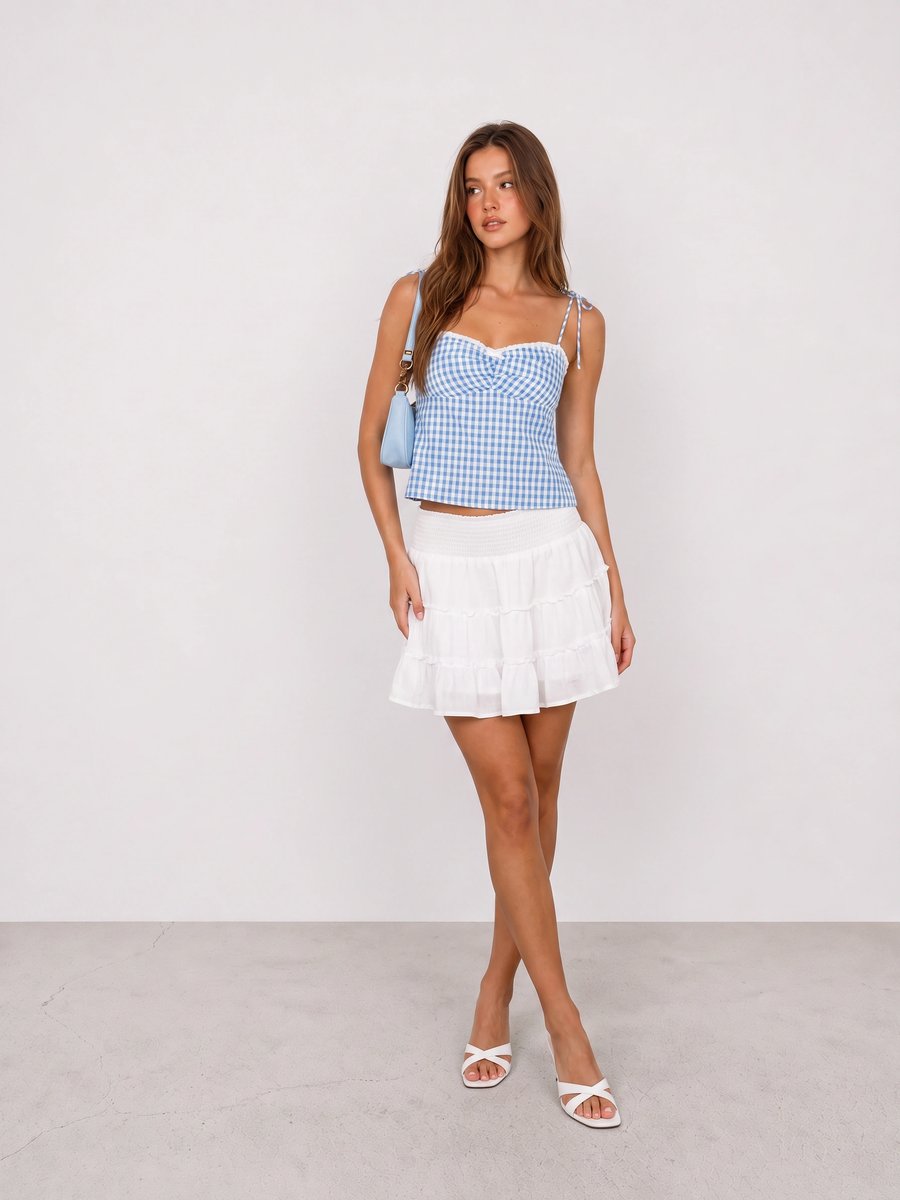
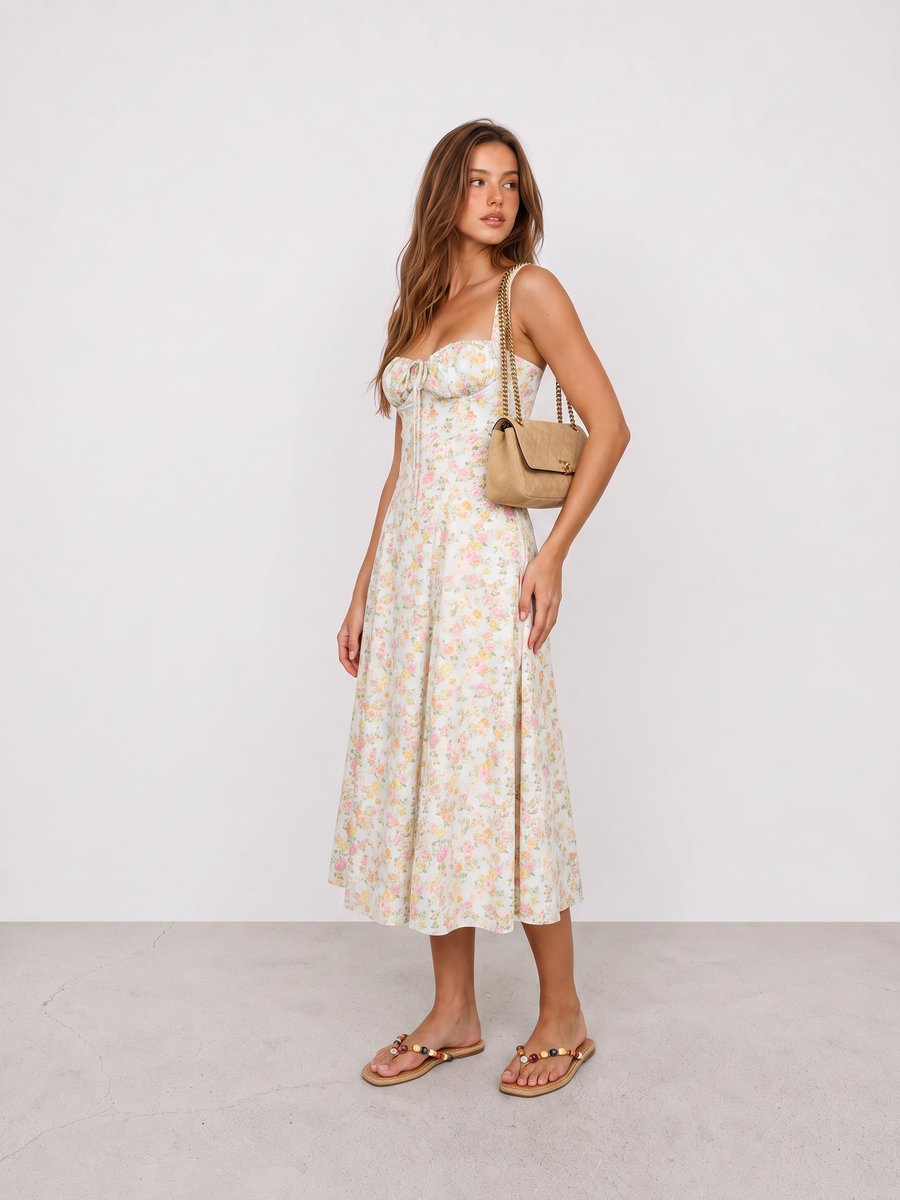
Fabric does most of the work. Cotton, linen, and broderie anglaise all read as natural and lived-in in a way synthetic fabrics never will. Gingham and small floral prints are the two patterns that carry the aesthetic without tipping into costume, especially when the print is small-scale rather than oversized.
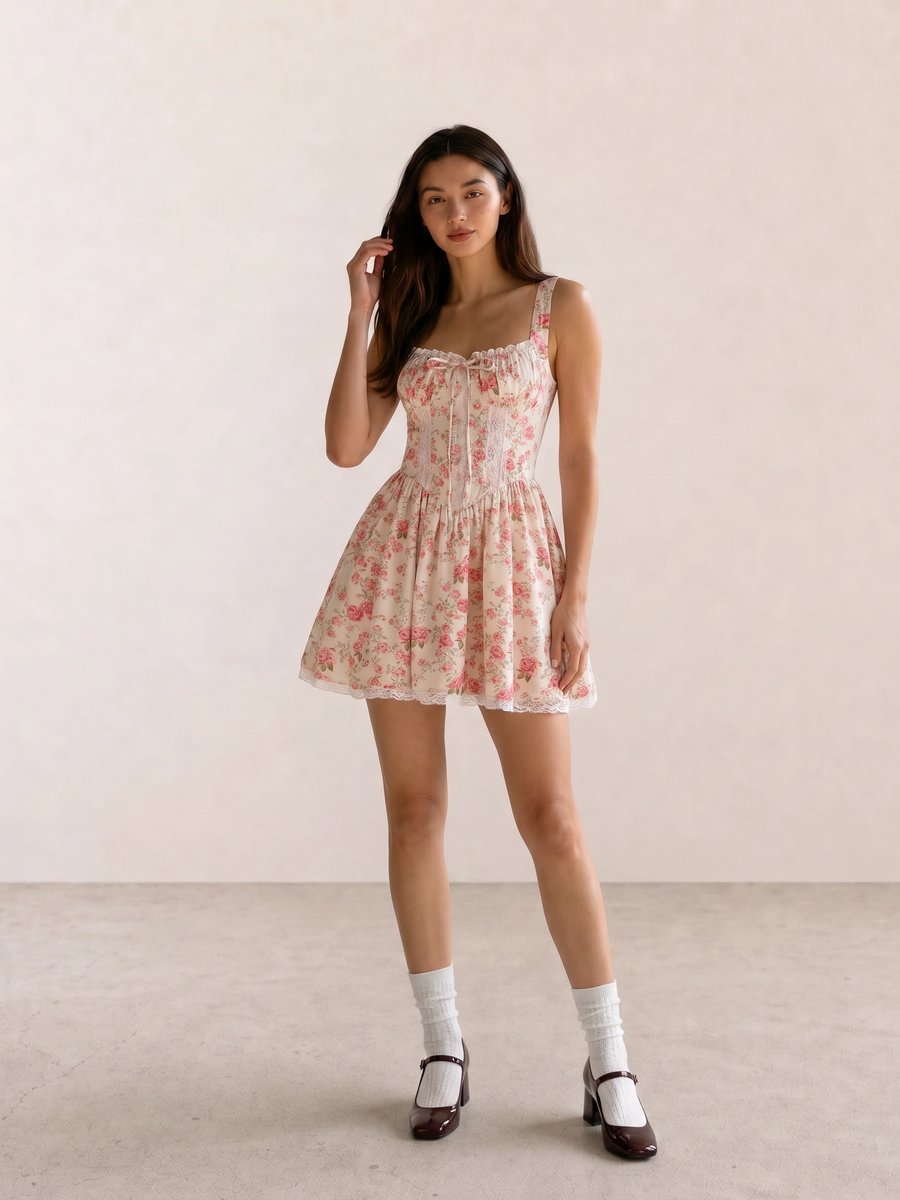
Silhouette is the second pillar. Milkmaid and prairie dresses, puff sleeves, pinafores layered over blouses, and tiered skirts all share the same logic: volume that moves. A stiff, structured dress in a floral print will not read as cottagecore no matter how pretty the fabric is. The dress has to have some give to it.
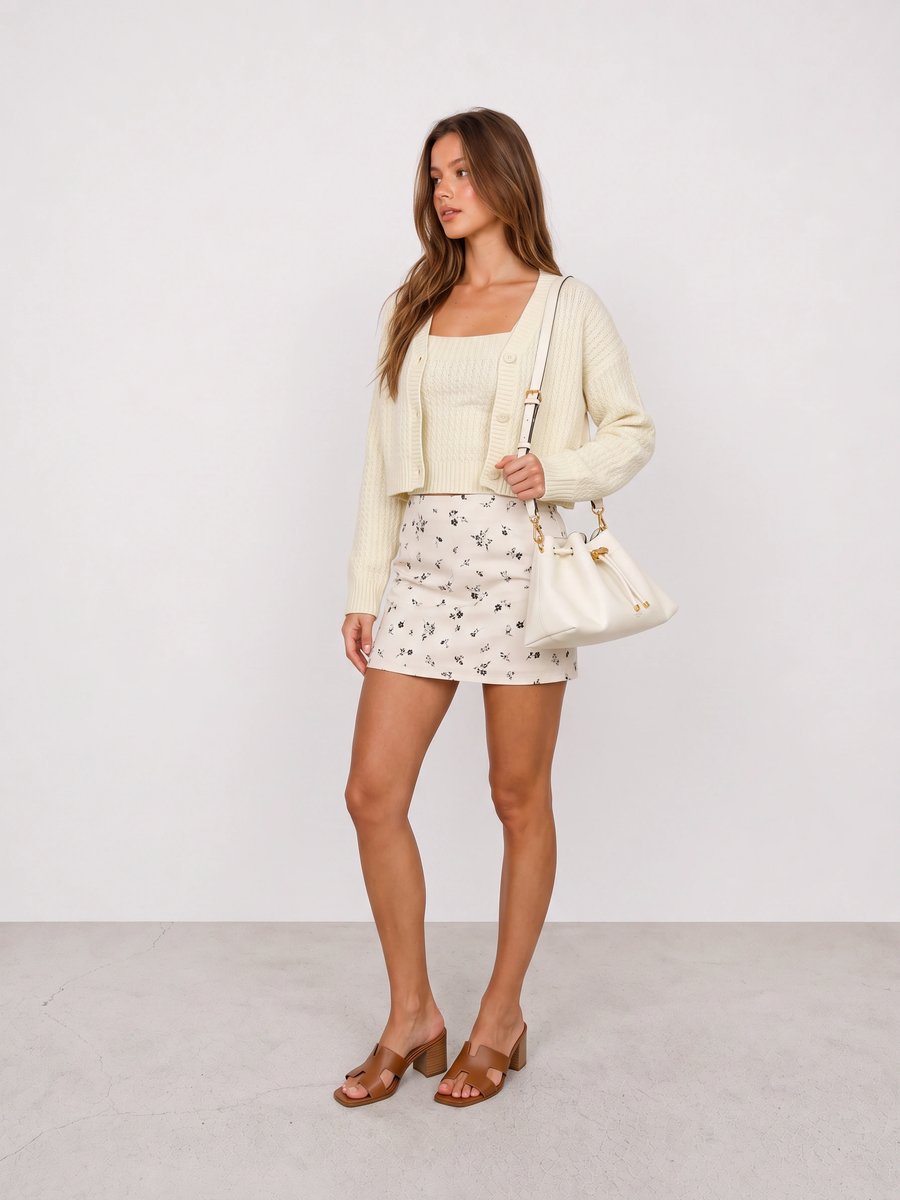
Keep the palette soft: cream, sage, butter yellow, dusty rose, and muted florals. Mary Janes or simple leather flats finish the shoe question better than sneakers or heels, and a straw basket bag or a length of ribbon tied in the hair adds the finishing detail without turning the outfit into a costume.
If you are starting from zero, do not buy a full outfit at once. One prairie-style dress and a pair of flats will teach you more about whether this aesthetic suits your life than five accessories bought all together. Build slowly and keep the receipts on anything that feels like a stretch.
Related Styles and Outfits
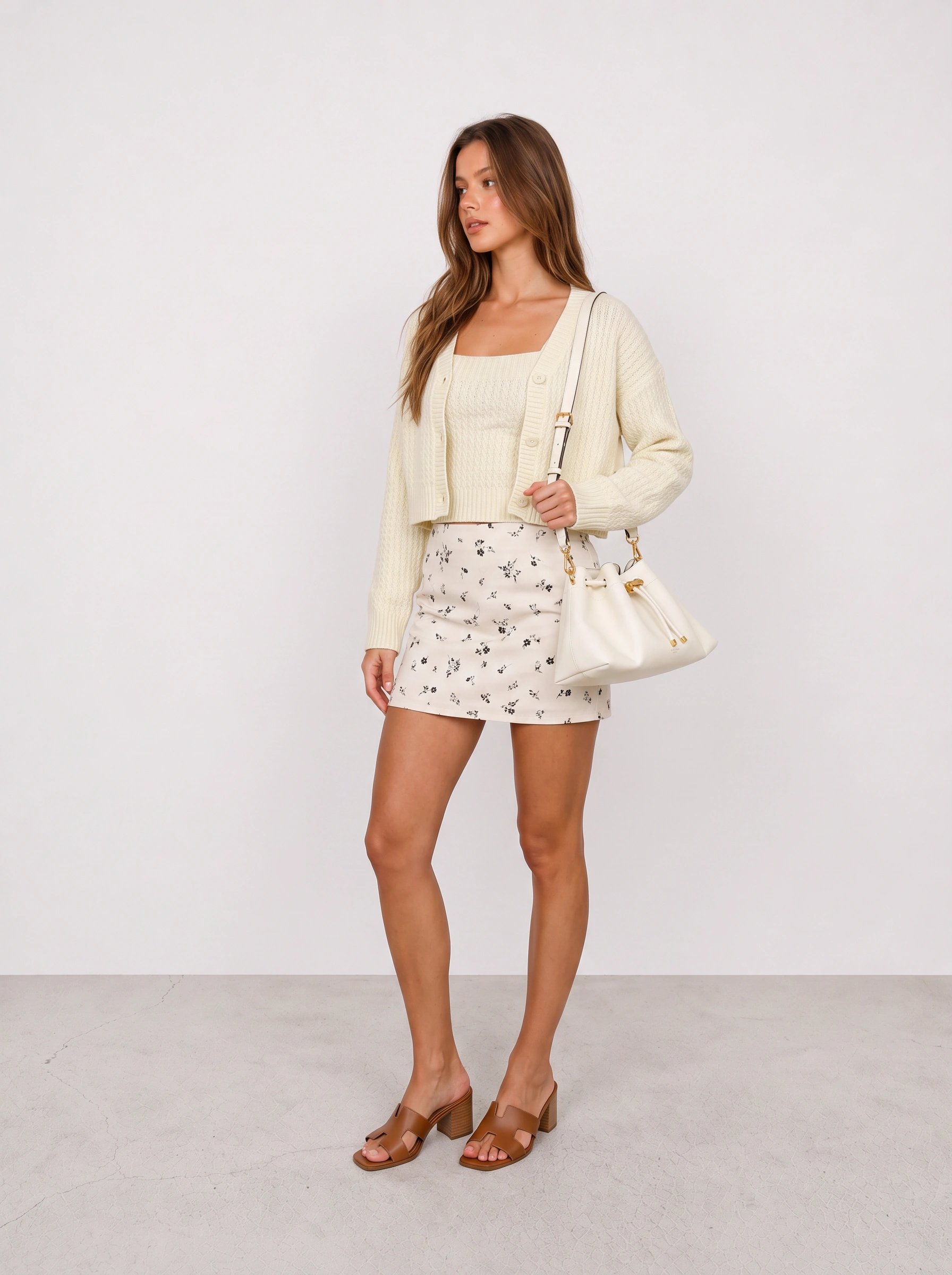
Cottagecore overlaps most closely with boho style, though the two are not interchangeable. Boho leans warmer and more layered, with suede, fringe, and a wider color range borrowed from 1970s festival dressing. Cottagecore stays cooler and more restrained, closer to a Sunday in the countryside than a weekend at a music festival.
If you like the flowy, natural-fabric feeling of cottagecore but want more color and movement, festival style is the logical next stop. It shares the same appetite for prints and layering, just aimed at a louder, more social setting.
For more ways to translate this aesthetic into full outfits, browse the style galleries for looks that mix and match across related aesthetics.
For adjacent soft-dressing ideas, compare Coastal Grandmother for the linen-by-the-water version and layering for the practical way to wear this aesthetic beyond summer.
Common Cottagecore Mistakes
The biggest mistake is going full costume. A bonnet, an apron, a basket, and clogs worn together stops reading as fashion and starts reading as a Renaissance fair. Pick one or two cottagecore signifiers per outfit and let everyday pieces carry the rest.
Fit matters more than people assume. A prairie dress that is too large just looks shapeless, not romantic. The waist should still register on your body, even if the skirt below it is loose and full, otherwise the dress swallows you instead of flattering you.
Treating cottagecore as a single dress rather than a wardrobe is another trap. One floral dress worn on repeat is not an aesthetic, it is an outfit. The look works best when it shows up in your blouses, your cardigans, and your shoes too, not just in one statement piece pulled out for special occasions.
Print overload is the last common error. Gingham top, floral skirt, and a patterned scarf all at once fights itself instead of working together. Let one print lead and keep everything else solid, and the outfit reads intentional instead of chaotic.
Is cottagecore only for spring and summer?
No, cottagecore works year-round if you swap the fabric weight. Summer leans on cotton and lightweight florals, while fall and winter versions use wool, corduroy, and heavier knits in the same soft, rural color palette, often layered under a long cardigan or a wool coat.
What is the difference between cottagecore and boho?
Cottagecore is quieter and more restrained, built around cotton and linen in muted florals and pastel tones, while boho is warmer and more layered, pulling from fringe, suede, and a broader, earthier color range rooted in 1970s festival style. Cottagecore evokes a farmhouse, boho evokes a road trip.
Weekly outfit picks and style guides — no fluff, unsubscribe anytime.