
Triangle Face
Crown volume, layers and temple-level texture are useful references when you want to add activity through the upper part of the cut.
What defines a triangle face?
A triangle face — sometimes called pear-shaped — is narrowest at the forehead and widest at the jaw. The lower face carries the weight, and the jawline is the most defined feature.
Works to explore
Crown lift, layered cuts and fullness near the temples are options to explore when you want more visual weight above the jaw.
Be careful with
A heavy blunt perimeter at the jaw or a flat crown creates a lower-weighted silhouette. Choose it if that graphic shape suits your style.
Ask your stylist
How can we build crown volume for my texture without adding a high-maintenance styling step?
Not sure this is your shape? Measure your face shape before you pick a cut.
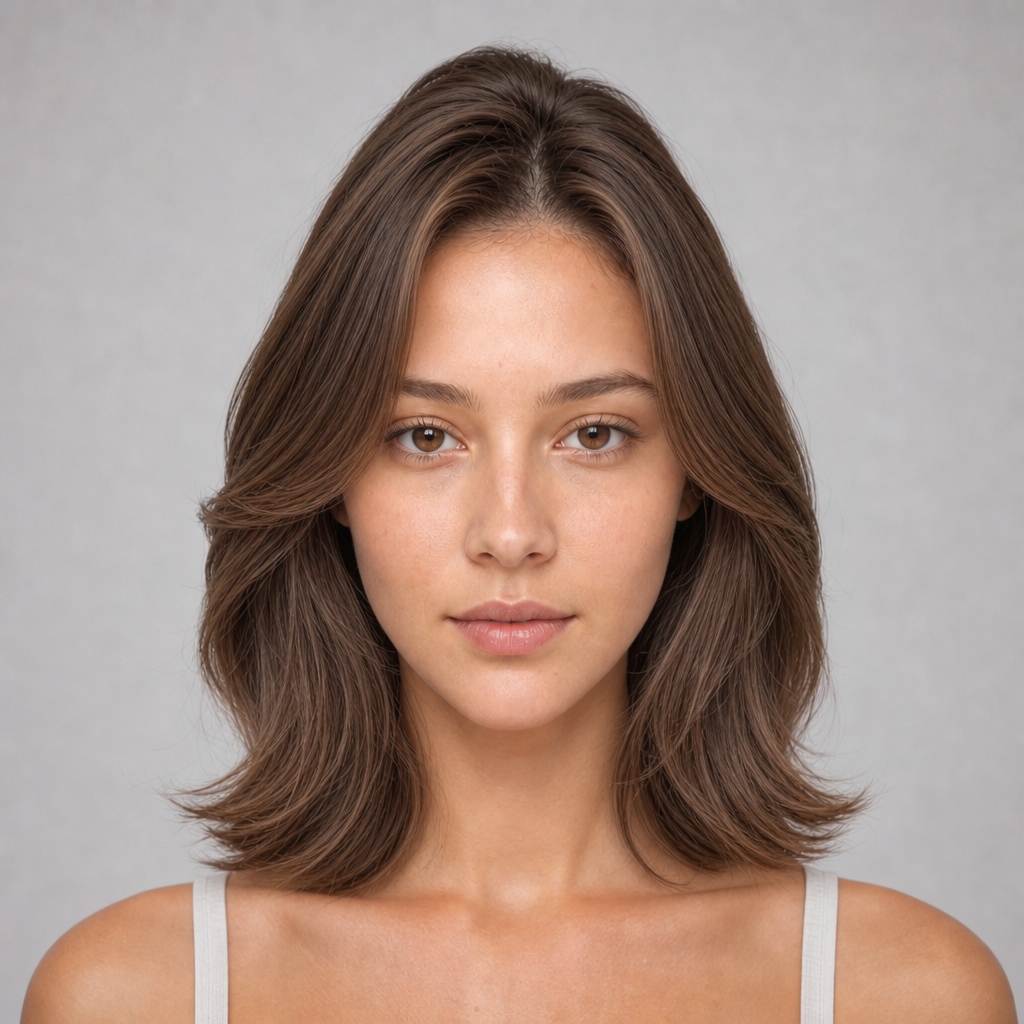
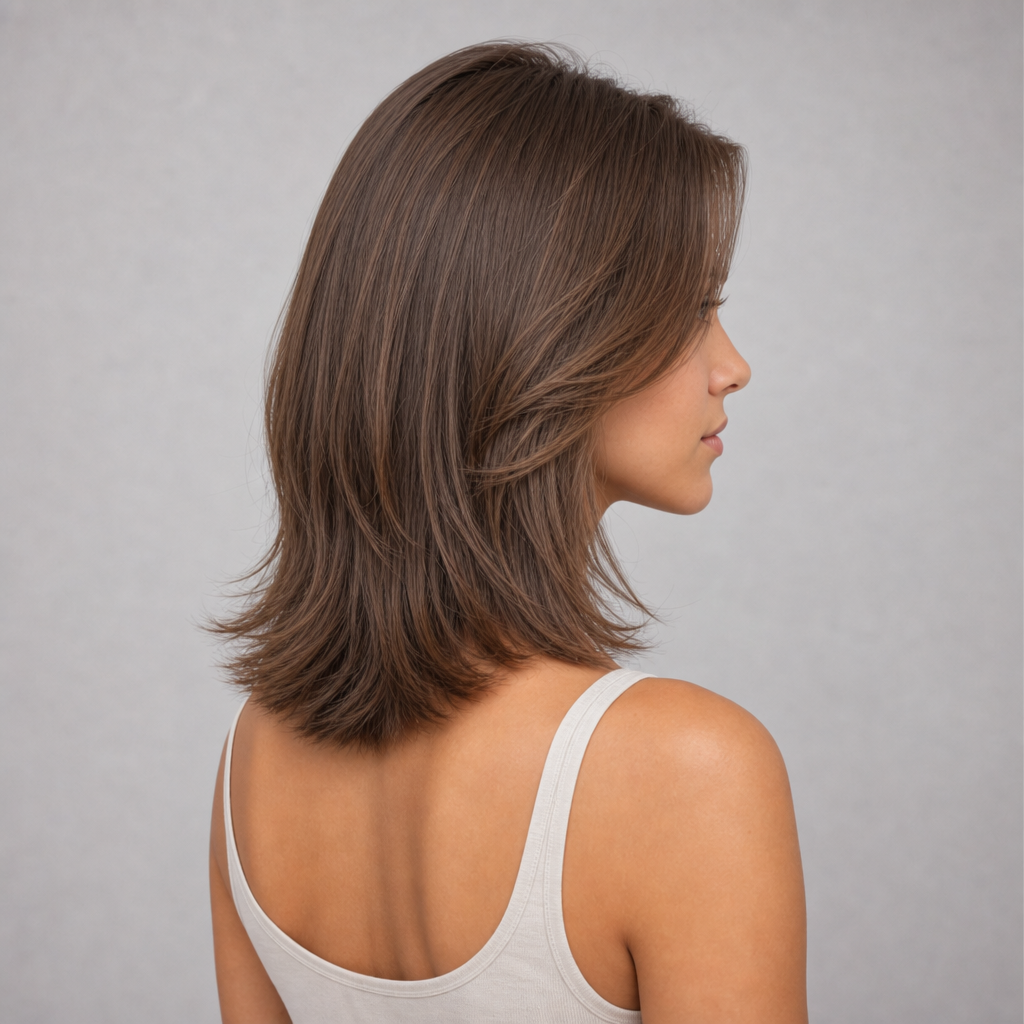
Long Layered Lob
Long, face-framing layers soften a wider jawline and draw the eye downward, gently balancing the narrower forehead that defines the triangle face shape.
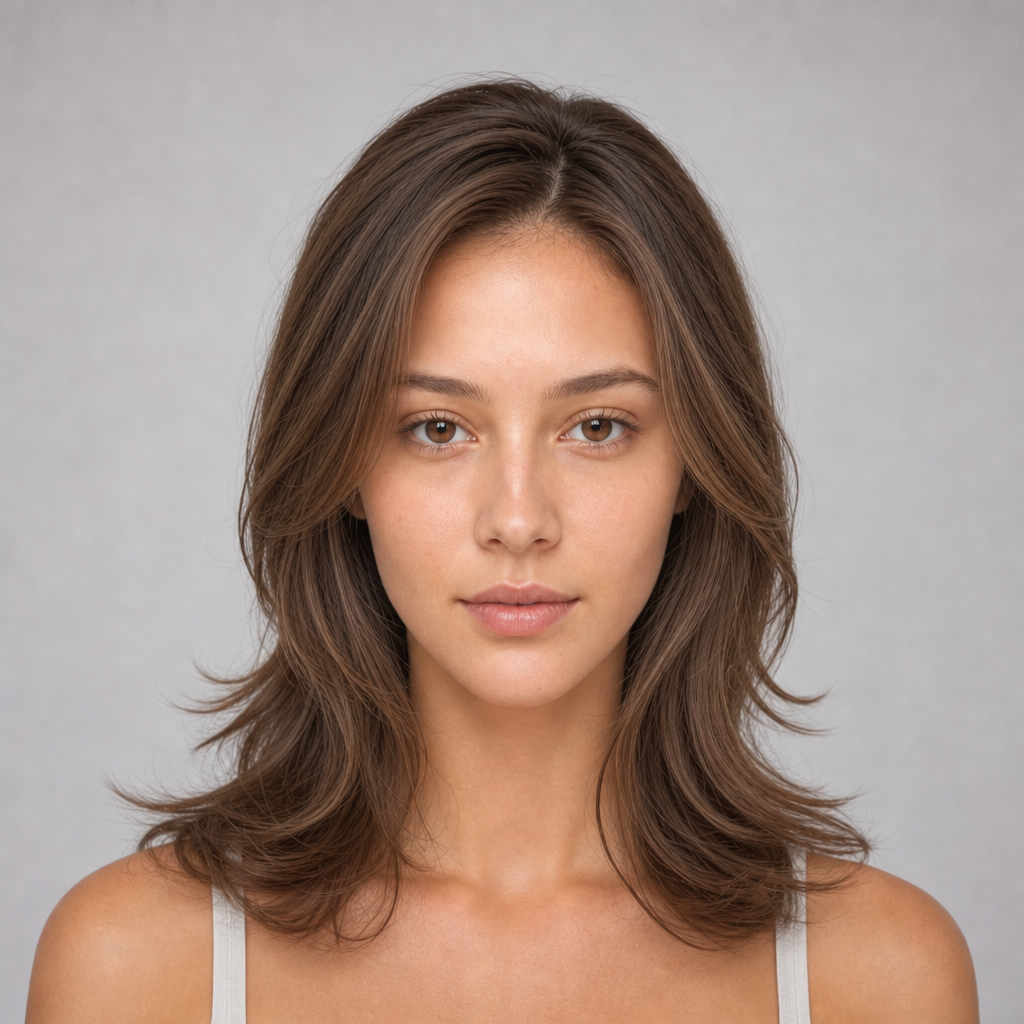
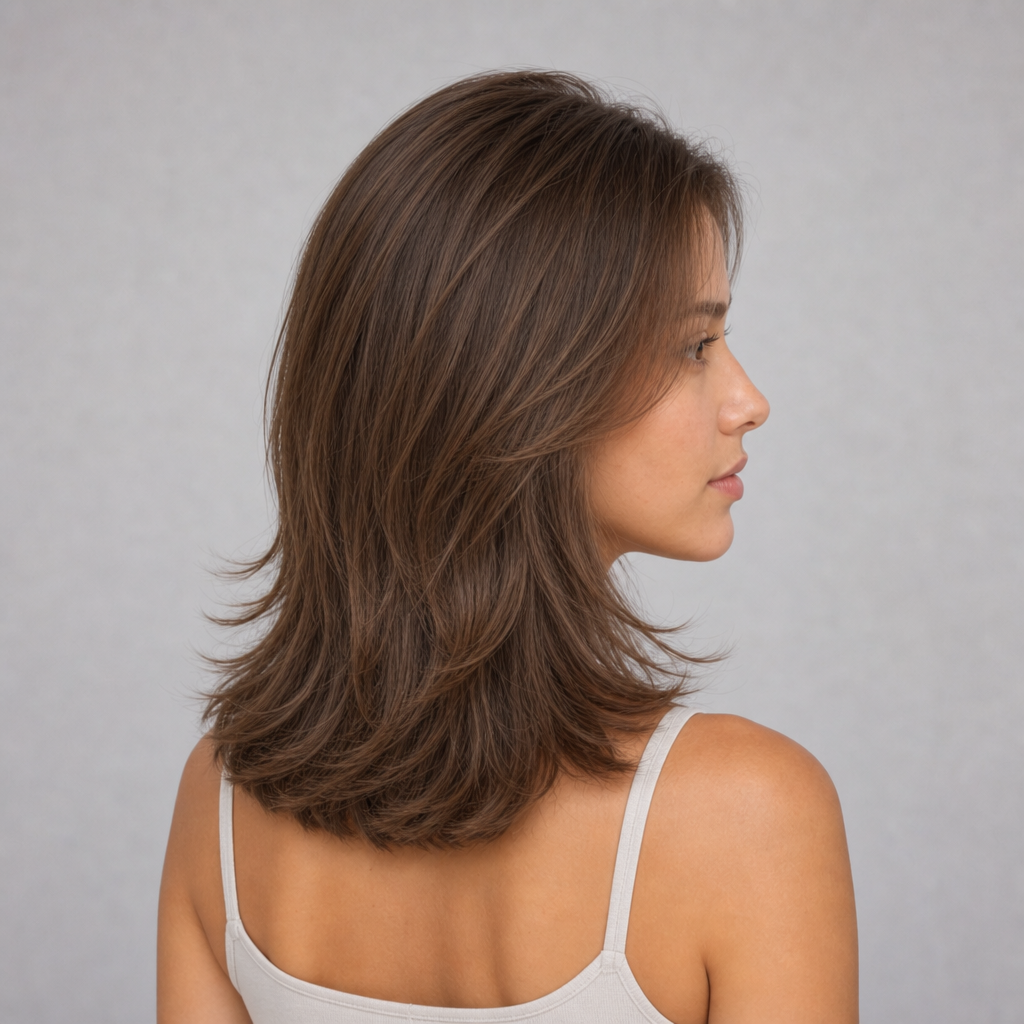
Side-Part Layered Lob
A deep side part combined with soft layers breaks up width at the jaw and adds asymmetry that flatters the broader lower face typical of the triangle shape.

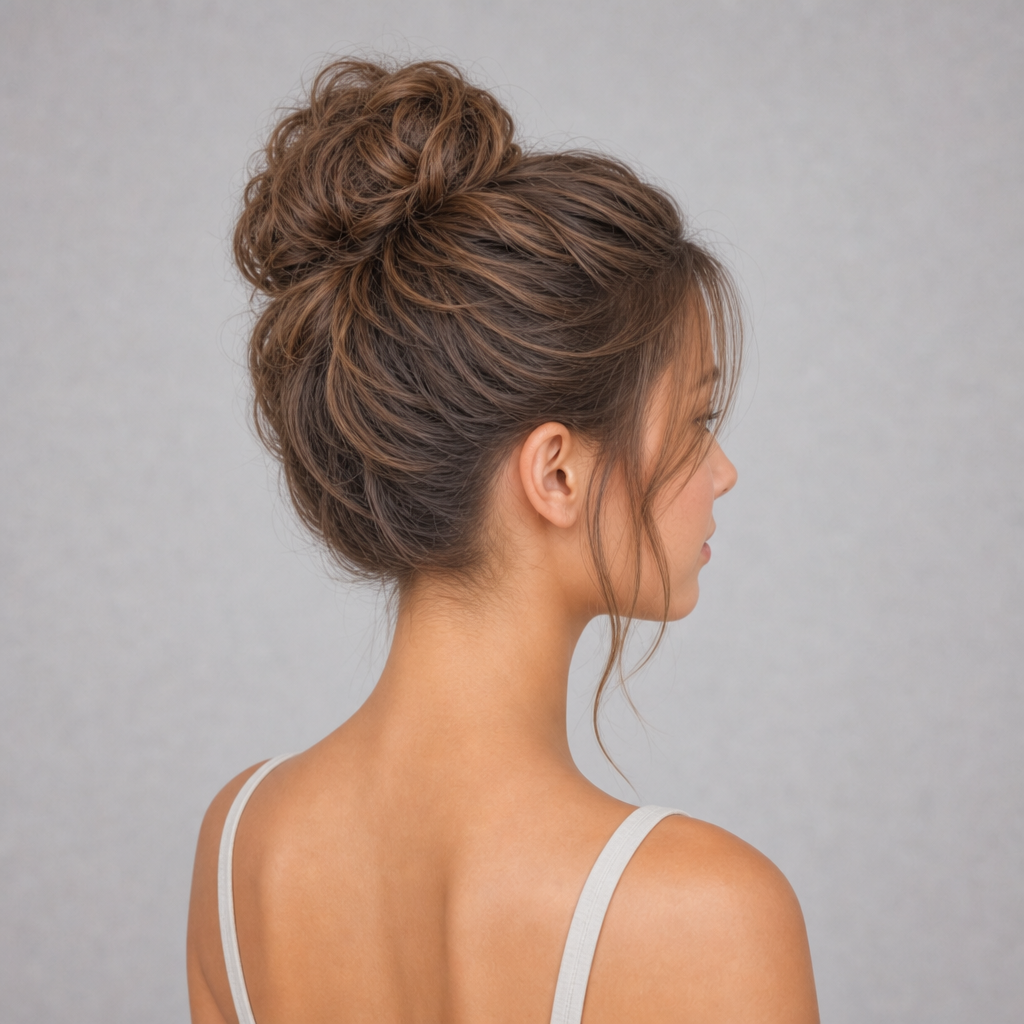
Messy High Bun
Lifting volume up and away from the jaw, this undone high bun minimizes width at the chin while adding soft height at the crown to balance a narrower forehead.
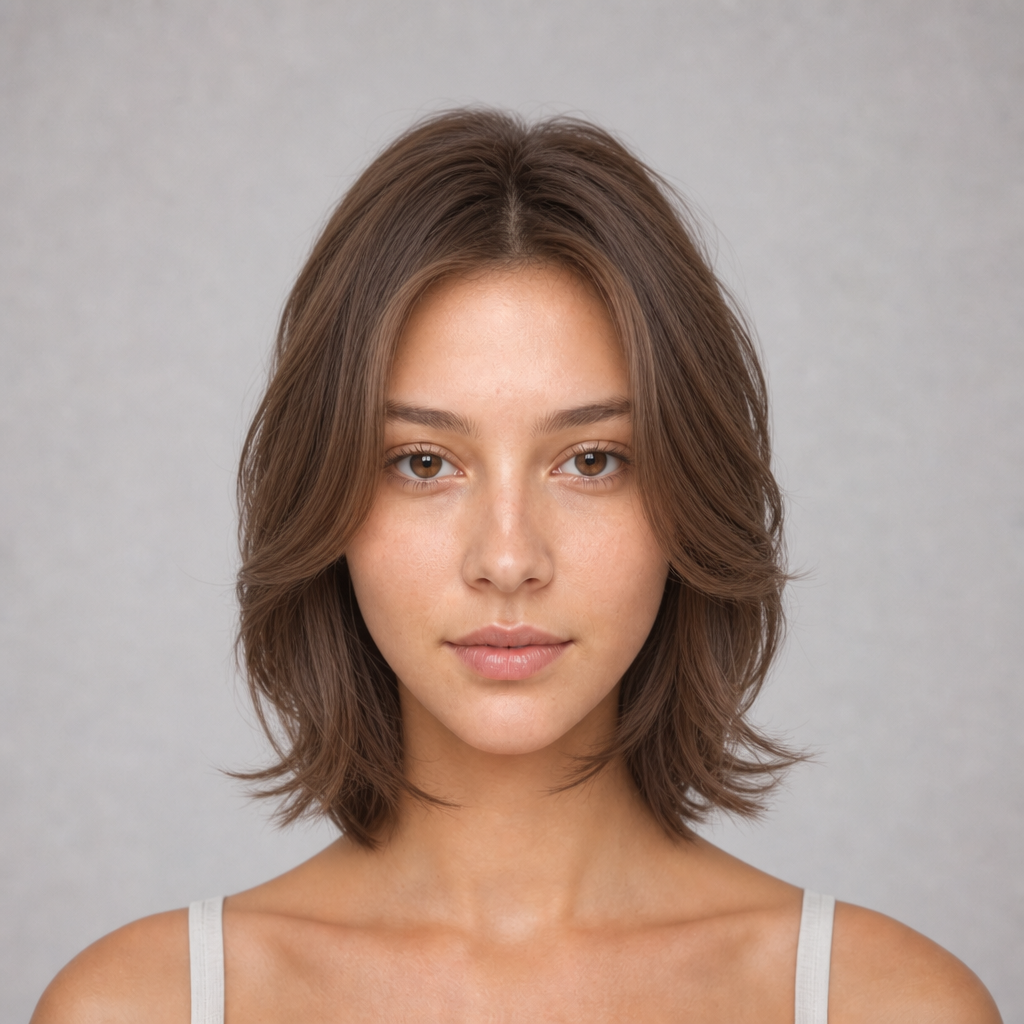
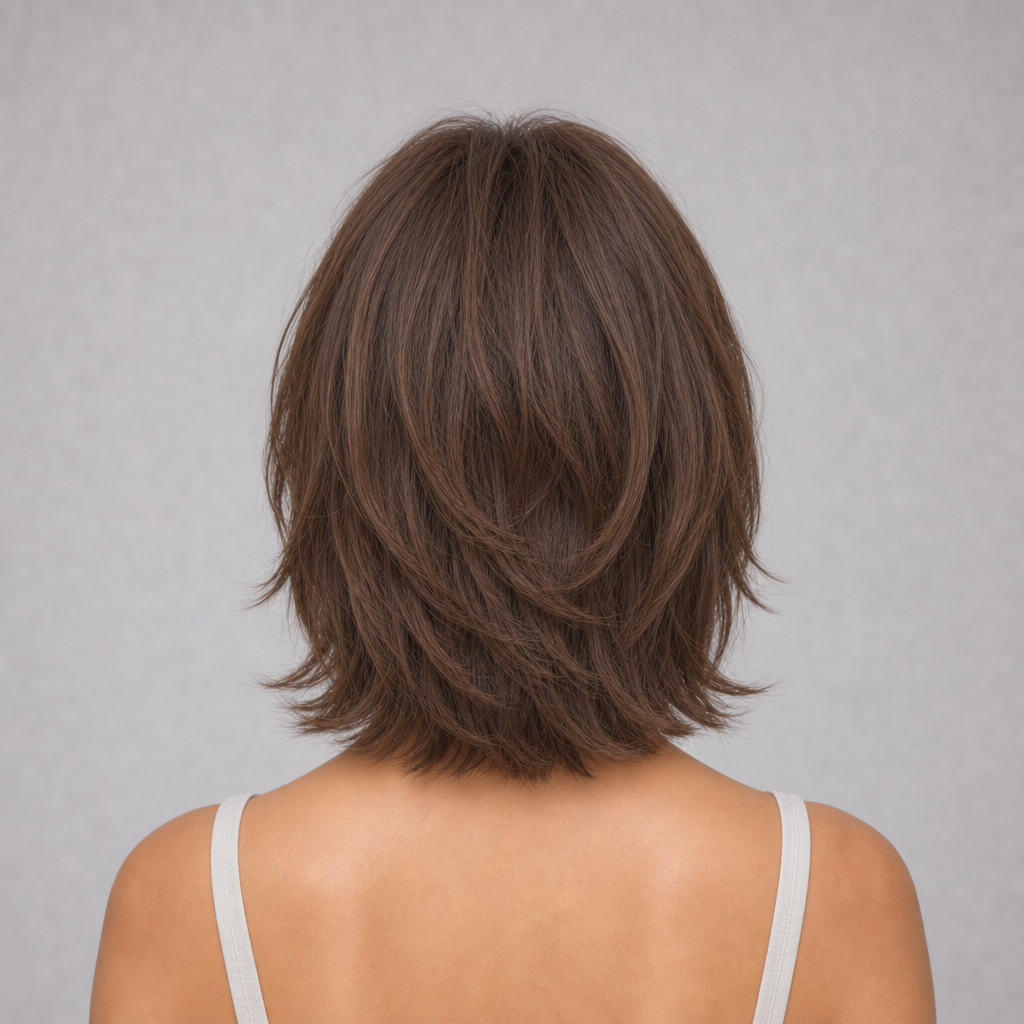
Layered Shoulder Bob
Soft layers at shoulder length skim past the jawline instead of framing it tightly, gently disguising width at the chin while keeping movement near the face.
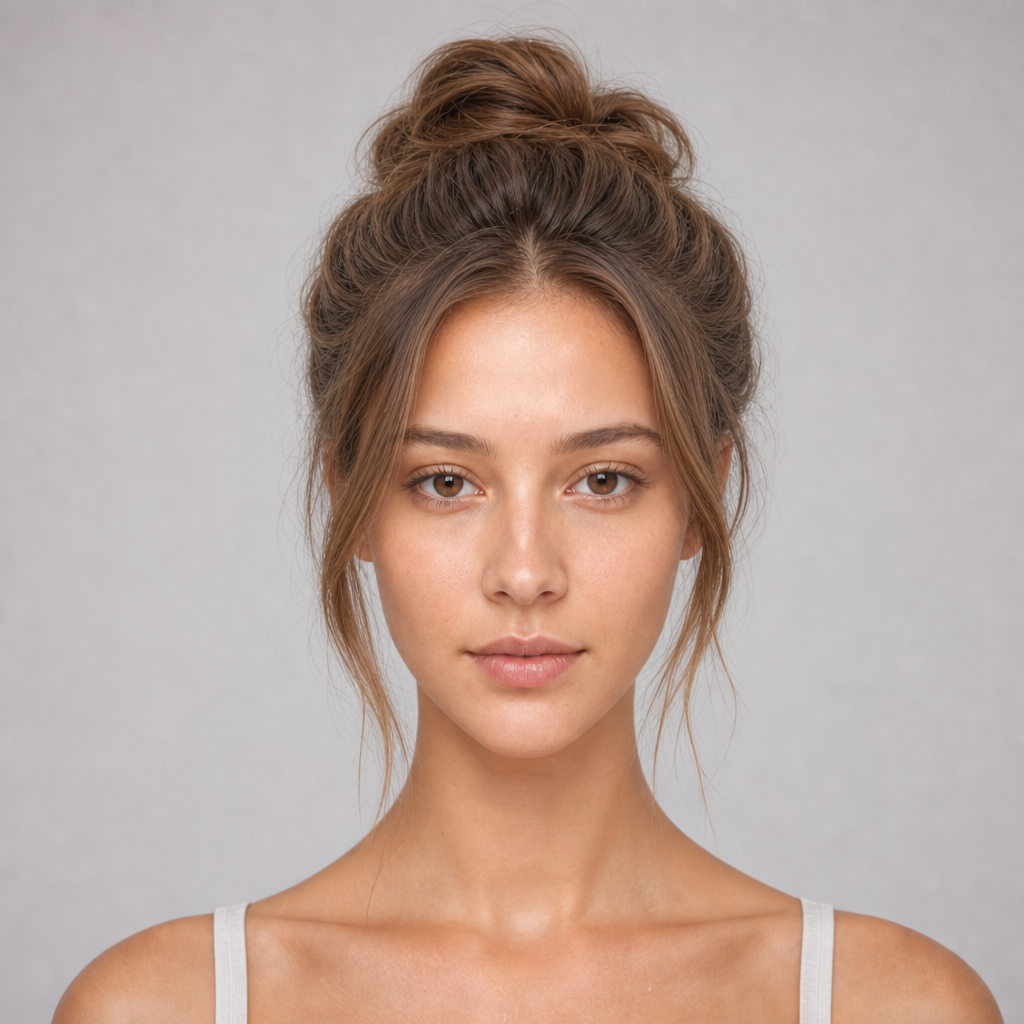
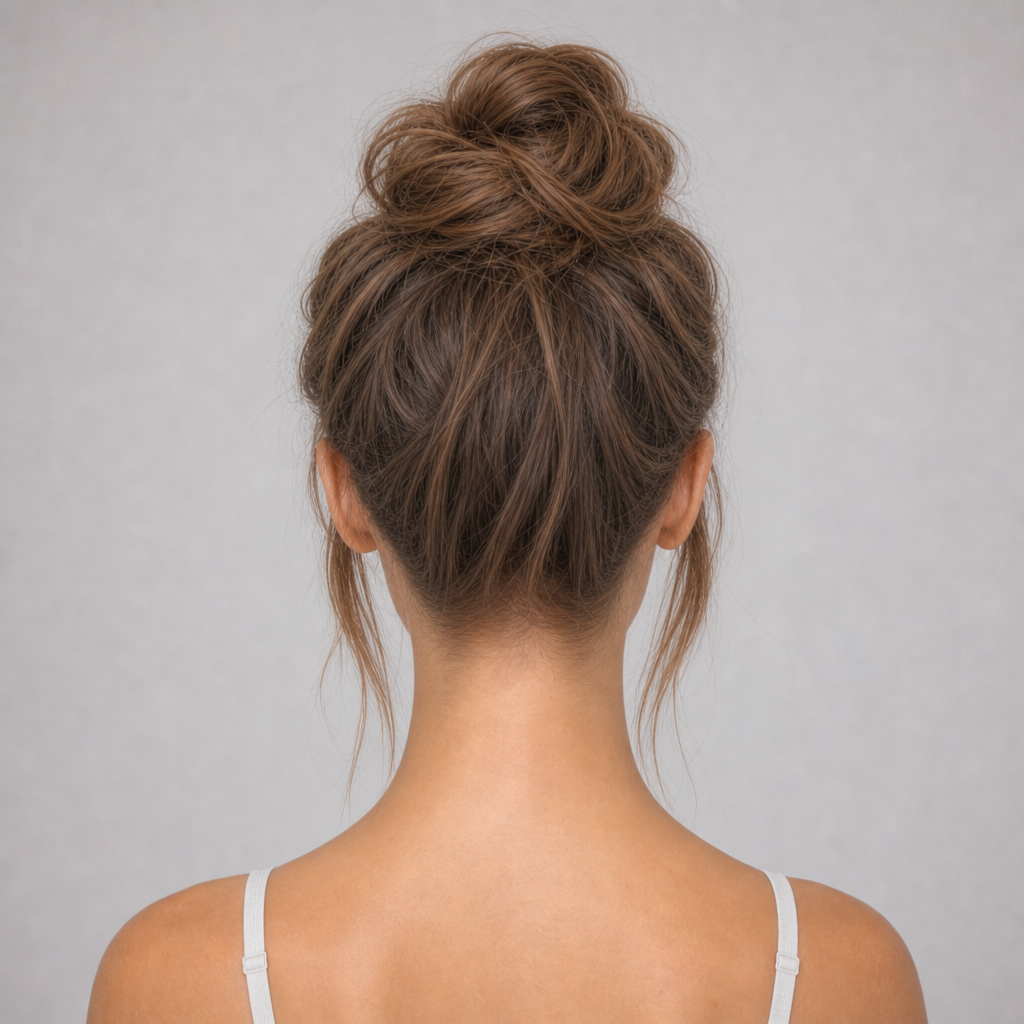
Textured Top Knot
A textured top knot pulls hair up and off the jawline, reducing visual weight at the chin while its piecey volume at the crown softens a narrower forehead.