Makeup Colors by Undertone: Blush, Lipstick & Eyeshadow
Match blush, lipstick, and eyeshadow to your undertone, skin depth, intensity, and outfit colors for natural or evening makeup color comparisons.
STYLEFINDEN editorial review: checked before publication for wearability, proportion logic and real-life outfit use. We explain our editorial method and image policy on the About page and keep affiliate independence details in the affiliate disclosure.
Makeup colors by undertone work best as a comparison exercise, not as a set of permitted shades. Blush, lipstick, and eyeshadow sit near the face, so each can repeat the warmth, coolness, softness, or contrast already present in your clothing. Start with one product at a time and notice whether the result makes your features clearer or makes the color arrive before you do.
Warm, cool, neutral, and olive describe directions you can test across every skin depth. A fair warm complexion and a deep warm complexion do not need the same depth of peach; they can share a yellow-leaning direction while choosing different intensity. Compare swatches in natural daylight, then keep the color that feels proportional to both your face and the outfit.
What Are Makeup Colors by Undertone?
Undertone is the temperature direction that can sit beneath surface skin depth. In makeup, it helps you compare whether a blush leans peach or rose, whether a lipstick leans orange-red or blue-red, and whether an eyeshadow leans bronze or taupe. It does not replace personal taste, lighting, or the color of the clothes you are wearing.
Color Me Beautiful’s color-analysis overview treats warm, cool, and neutral as comparison points within a broader color-analysis system. Adobe’s explanation of hue, saturation, and brightness separates hue, saturation, and brightness; those three controls explain why a muted berry and a bright berry can suit the same undertone in very different settings.
Where Undertone Makeup Advice Came From—and Why Skin Depth Still Matters
Carole Jackson’s 1980 Color Me Beautiful helped make seasonal color analysis familiar to shoppers, including makeup comparisons. The framework is useful when it gives you options, but it becomes limiting when it treats one shade as a verdict. Skin depth describes how light to deep a complexion appears; undertone describes its color direction. Keep those decisions separate.
The same applies to warm, neutral, and olive skin. A medium warm complexion may prefer apricot blush in a soft formula, while a deep warm complexion may need terracotta or burnt coral to create the same readable warmth. Build intensity for your skin depth first, then compare the temperature. That order prevents a useful color family from being dismissed simply because the first sample was too pale or too saturated.
The Three Makeup Pieces Worth Comparing First
Blush changes the face’s temperature fastest because it sits on the cheeks. Lipstick gives the strongest color statement, especially with bare skin or a simple neckline. Eyeshadow can either reinforce the direction through a wash of color or create contrast through liner, shimmer, and depth. Test them separately before trying a full face, otherwise you cannot tell which product changed the balance.
For a natural look, use one soft focal product and keep the other two quieter. For an evening look, add depth or brightness to one area first: a deeper lip, a defined eye, or a stronger blush placement. The common mistake is increasing all three at once. That can flatten the face and compete with an already detailed outfit.
Warm Undertones: Peach, Terracotta, and Bronze
Warm undertones can begin by comparing peach, apricot, warm coral, terracotta, cinnamon, brick, copper, bronze, and olive-gold. For blush, choose a peach or terracotta depth that shows up without a pale cast. For lipstick, compare coral, tomato red, brick, and warm nude. For eyeshadow, bronze, copper, caramel, and warm olive keep the color story legible.
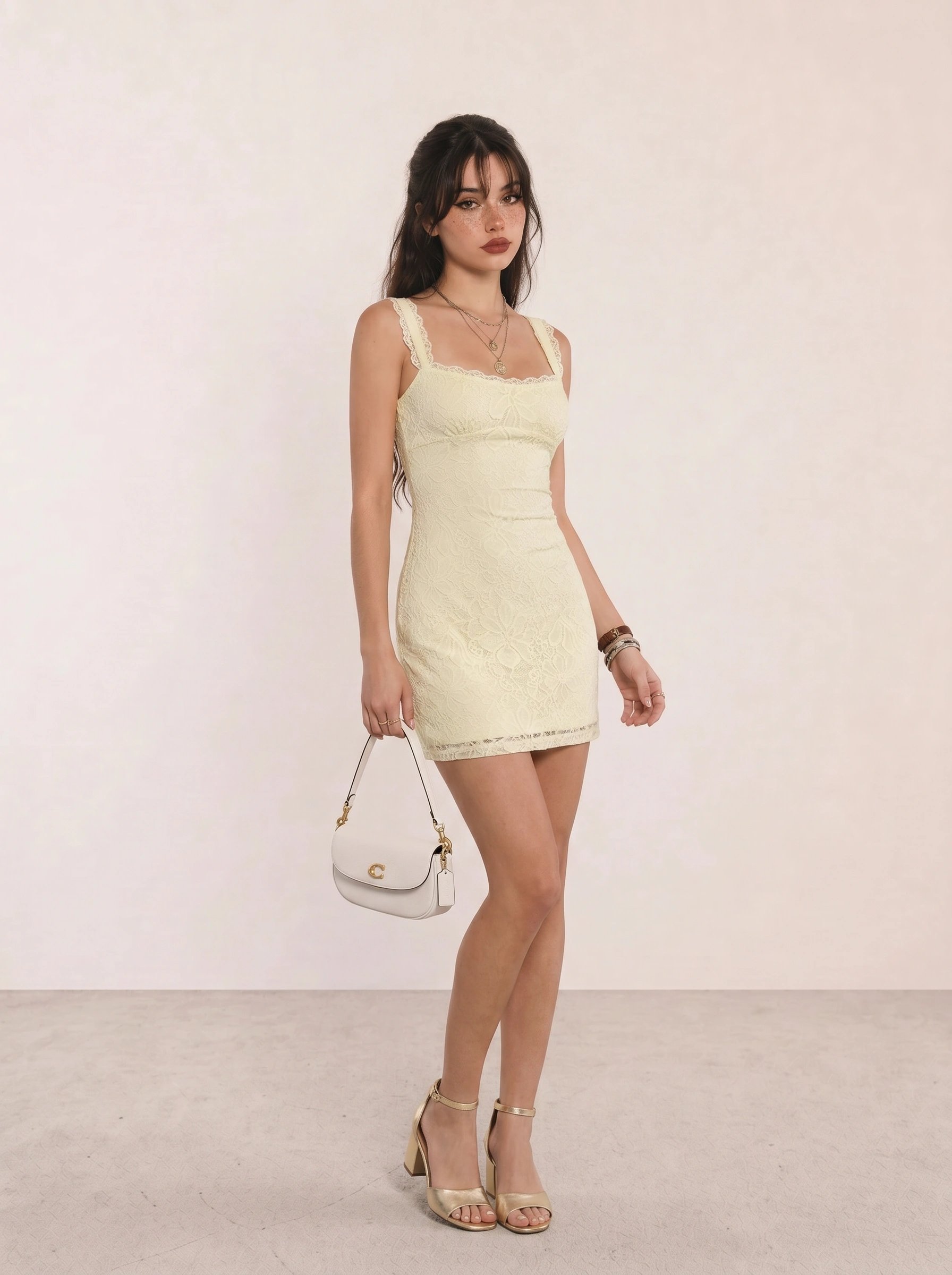
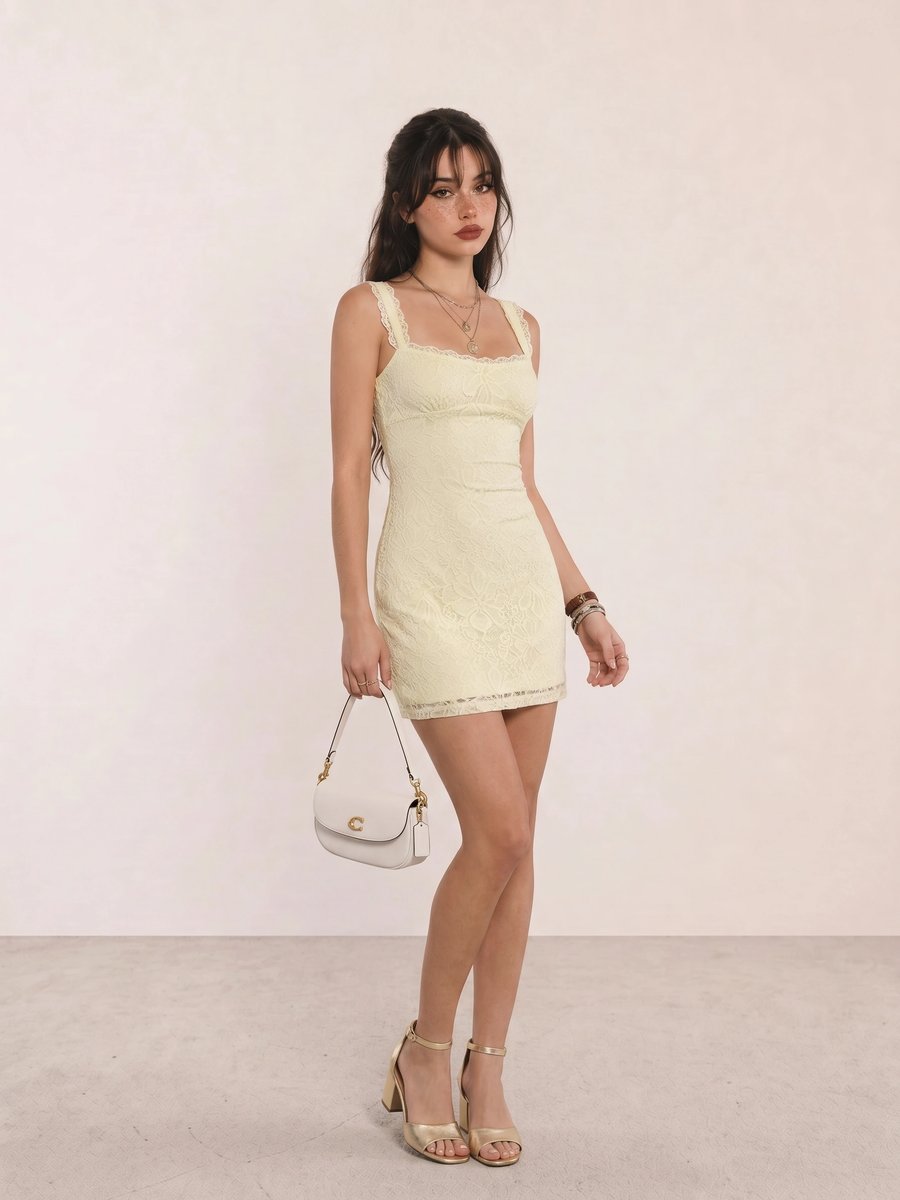
With Pale Yellow Lace Bodycon Mini Dress, a peach or apricot blush repeats the dress’s warmth without asking the face to carry another bright yellow. A warm red lip can take the look into evening, while a bronze eye keeps the focus lower contrast. Without the pale-yellow dress, the same makeup may need a cream, camel, or gold accessory nearby to make its warmth feel anchored.
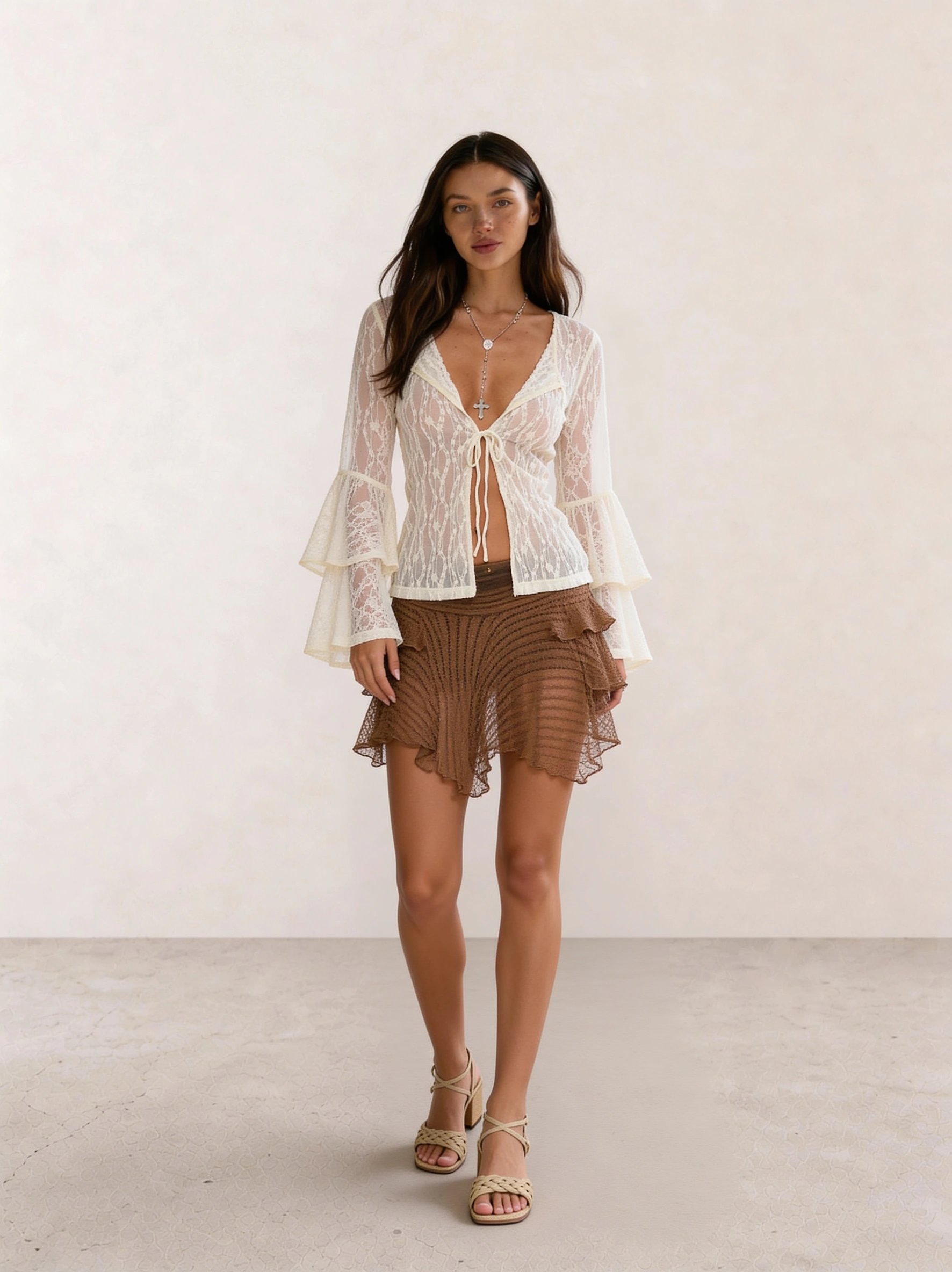
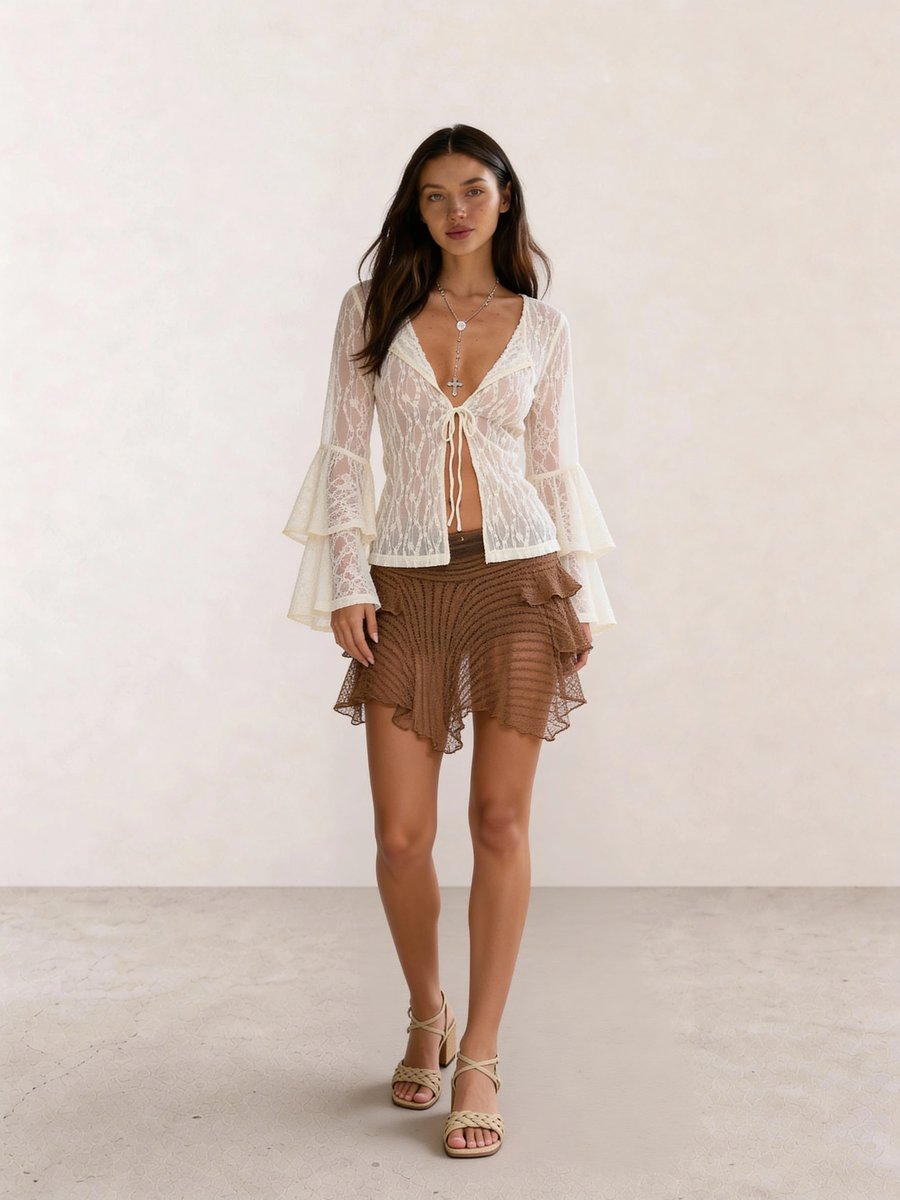
In White Lace Bell Sleeve & Brown Ruffle Skirt, terracotta blush has a clear job: it echoes the skirt’s brown warmth while the white blouse leaves the face open. A brick lipstick is stronger than a glossy peach here because the outfit has enough texture to support depth. Keep eyeshadow bronze or warm taupe; a bright orange lid would compete with the ruffle and lace detail.
Cool Undertones: Rose, Berry, and Taupe
Cool undertones can compare cool pink, rose, mauve, berry, plum, blue-red, pewter, cool taupe, charcoal, and lavender. For blush, a rose or berry can give a fresh direction without adding yellow. For lipstick, compare raspberry, cranberry, blue-red, and cool mauve. For eyeshadow, taupe, pewter, gray-brown, plum, and soft lavender give definition without forcing a warm bronze effect.
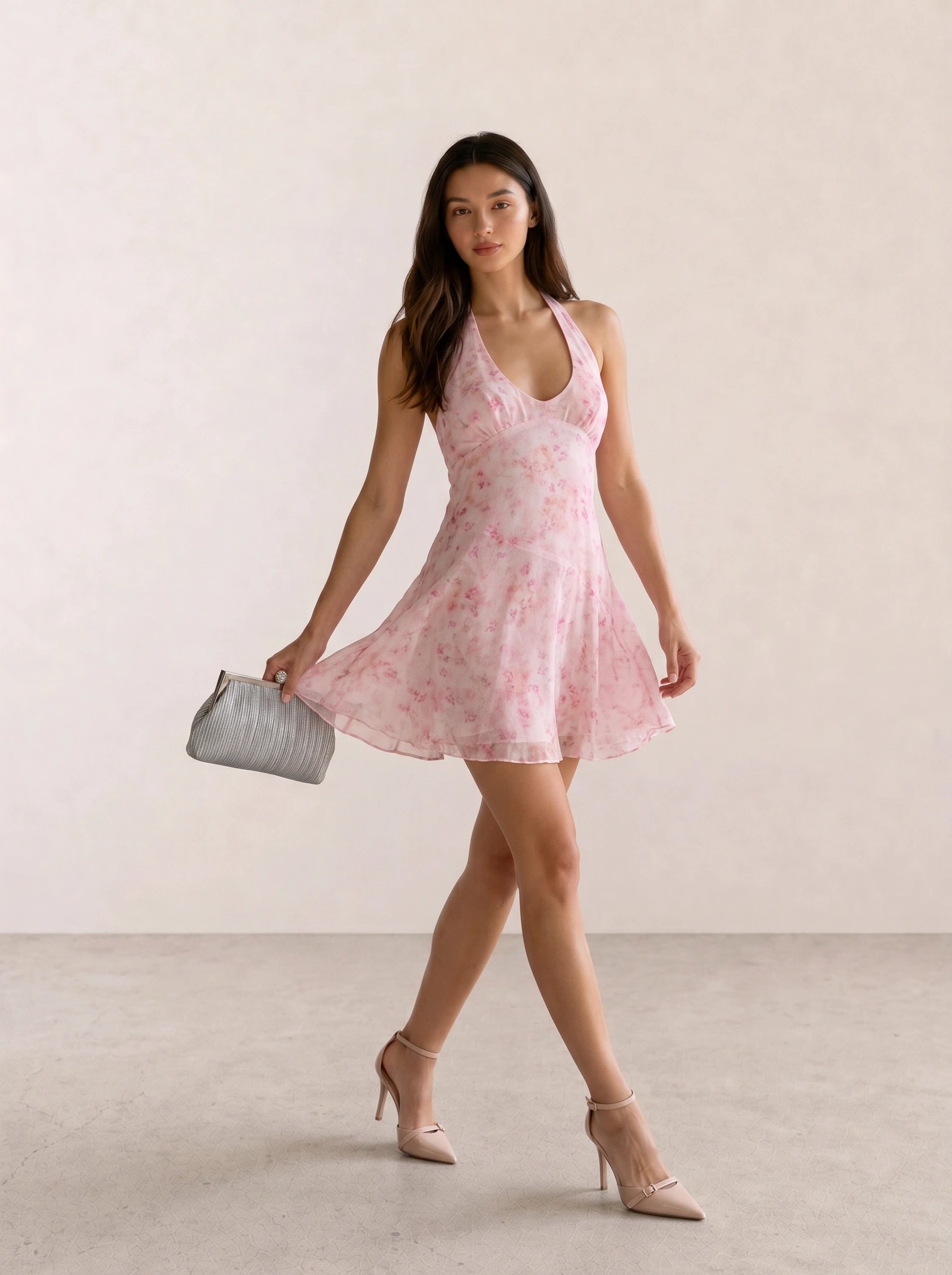
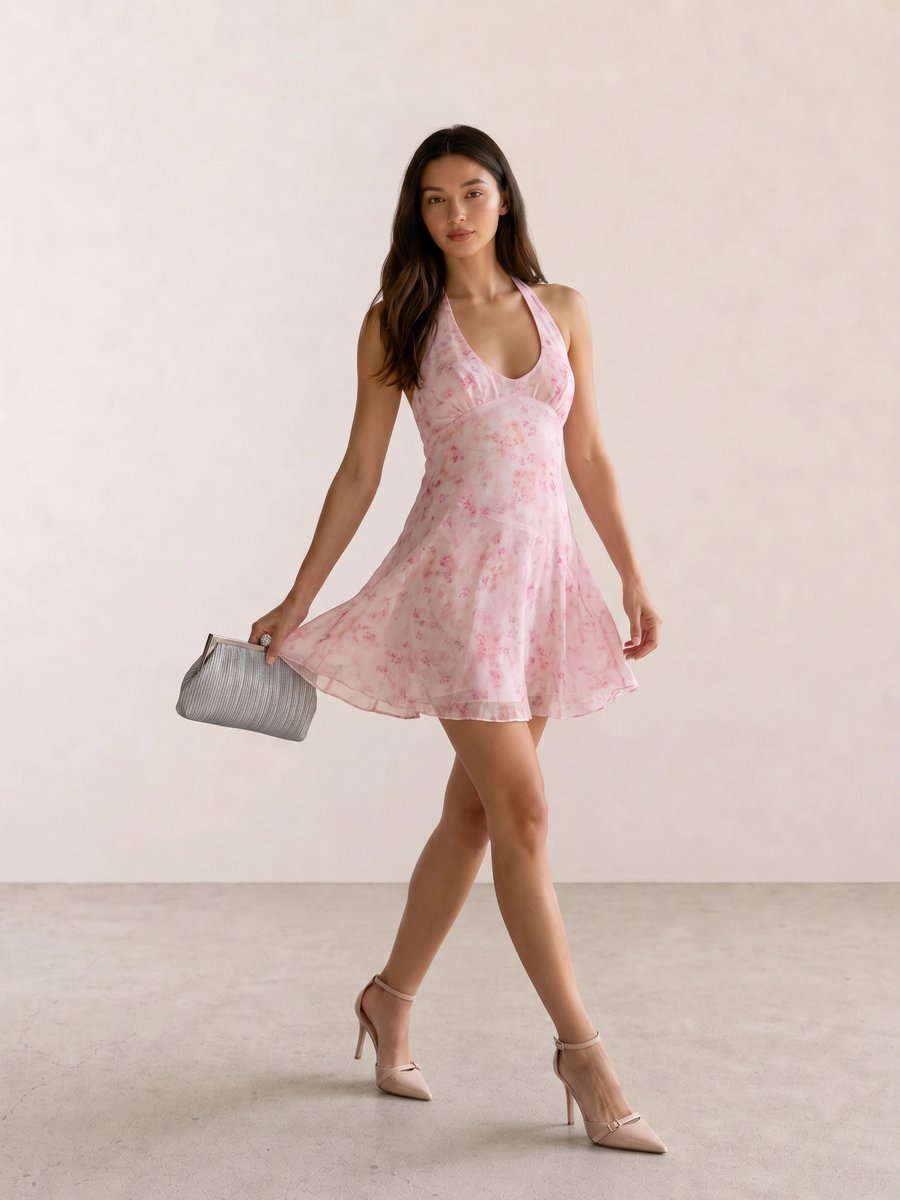
The silver clutch in Pink Floral Chiffon Halter Mini Dress gives a useful cool cue near a rose blush or berry lip. A soft rose cheek keeps the chiffon light for daytime; a raspberry lipstick and pewter eye create an evening version without changing the dress. The halter neckline already frames the face, so choose either a stronger lip or a stronger eye rather than both.
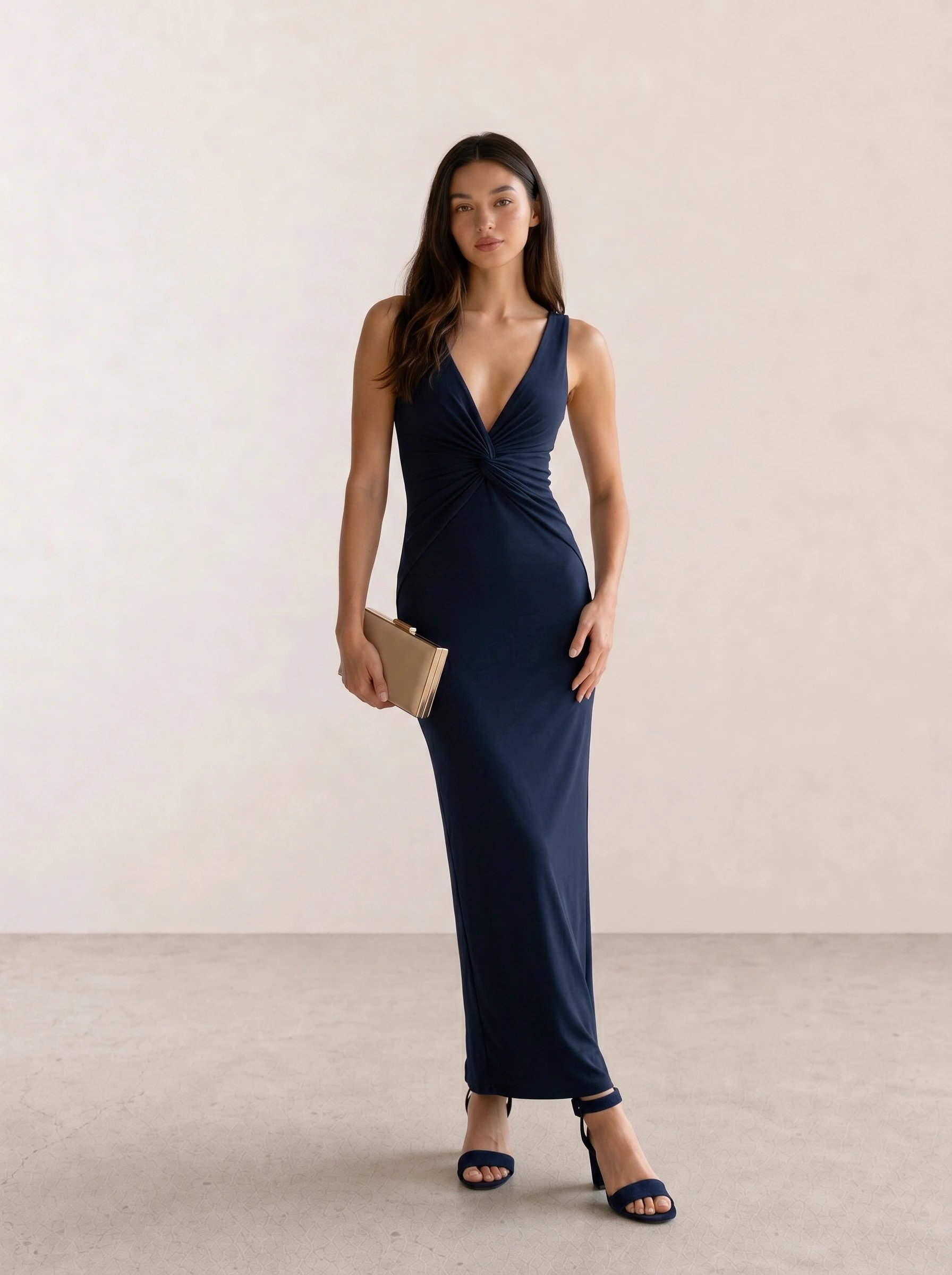
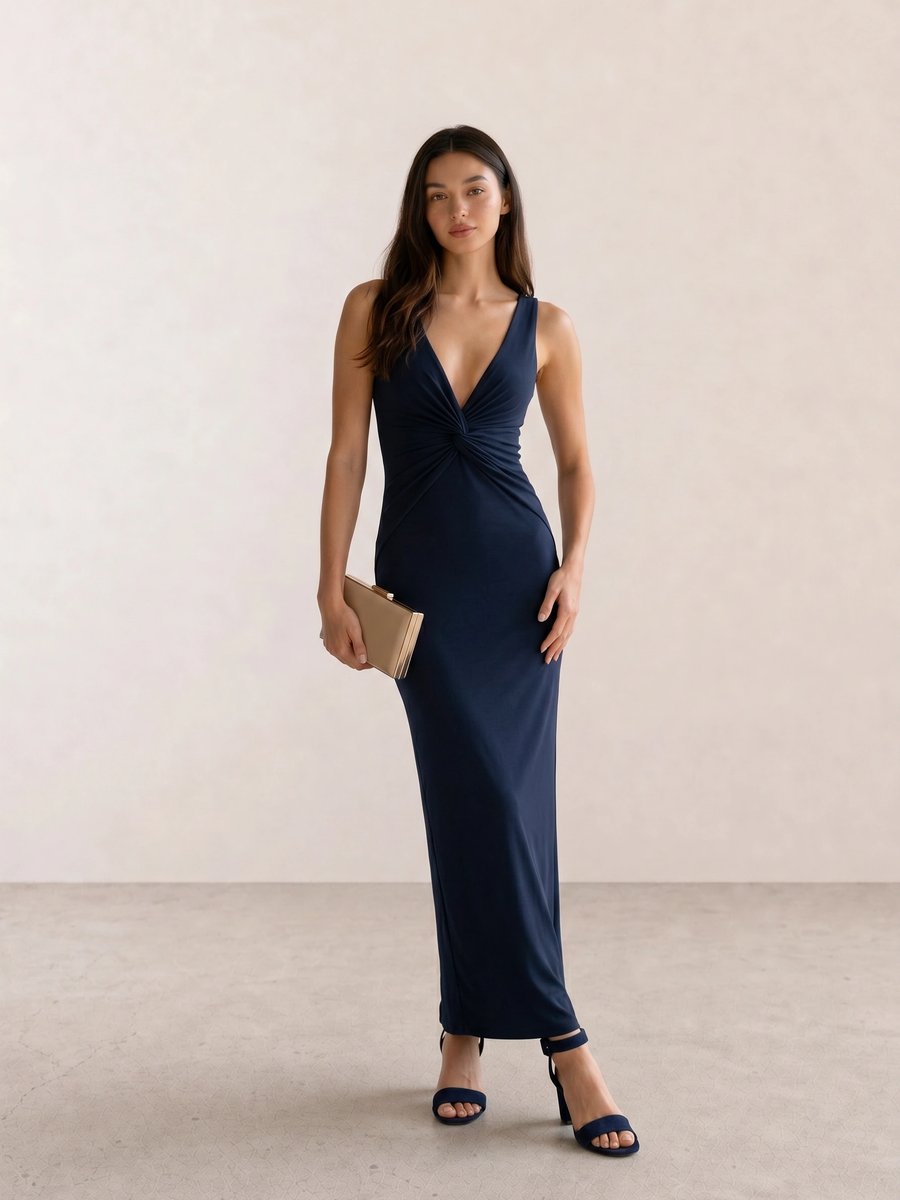
With Navy Twist-Front Maxi Dress, a cool berry lipstick creates a deliberate depth against the long navy column. Taupe shadow keeps the eye dimensional; a black smoky eye can become heavier than the dress’s soft twist detail. On a light cool complexion, use a sheerer berry or rose stain; on a medium or deep cool complexion, compare a richer plum or cranberry so the lip remains visible.
Neutral and Olive Undertones: Build a Controlled Middle Ground
Neutral undertones can compare both warm and cool families, then decide by intensity and garment color. Rose beige, soft peach, muted berry, balanced red, taupe, and soft bronze are useful first tests. Olive undertones often have room across the same range, but green-gray surface tones can make an overly pale beige or icy pastel look flat. Compare a little more depth before assuming the temperature is wrong.
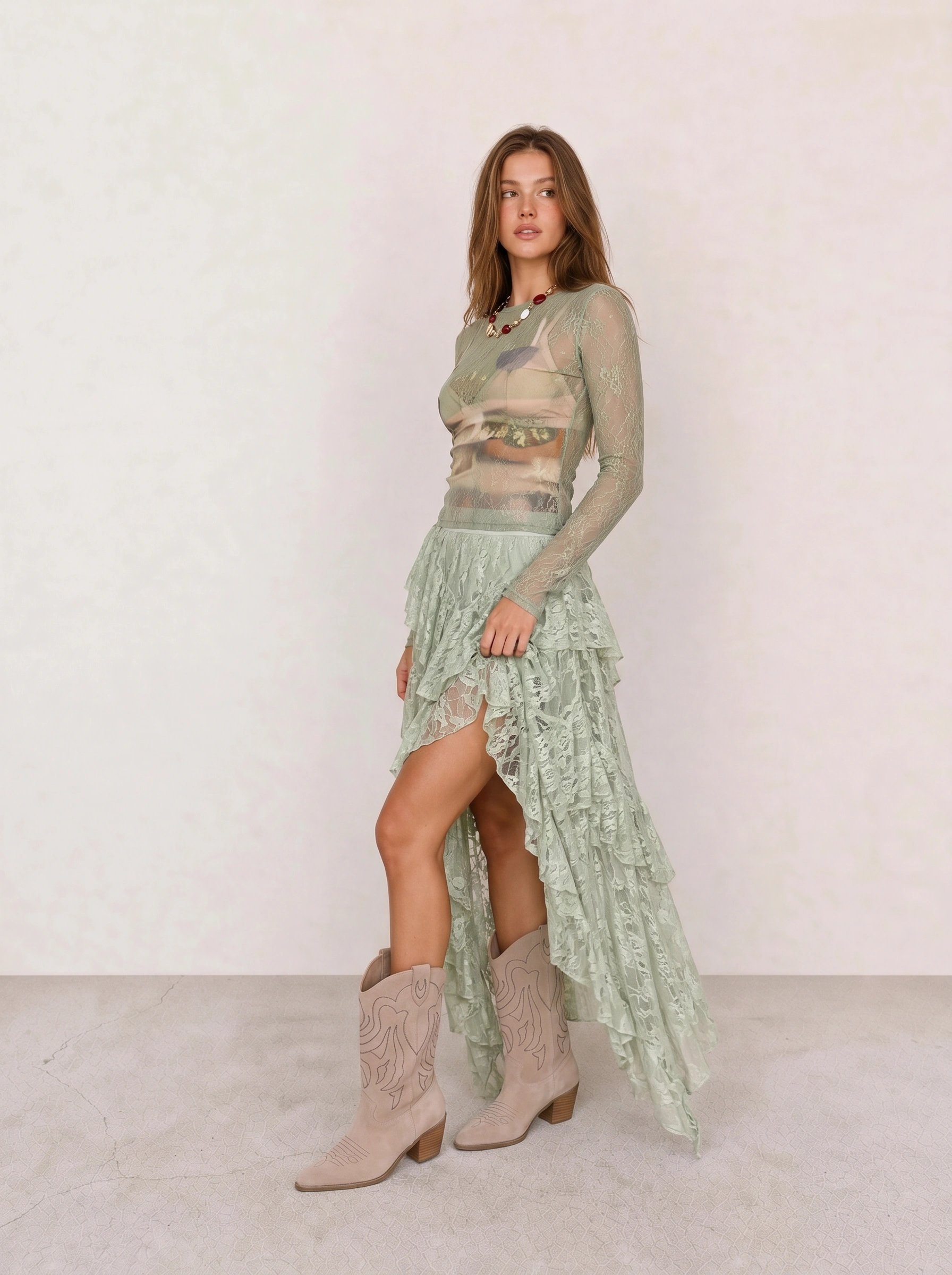
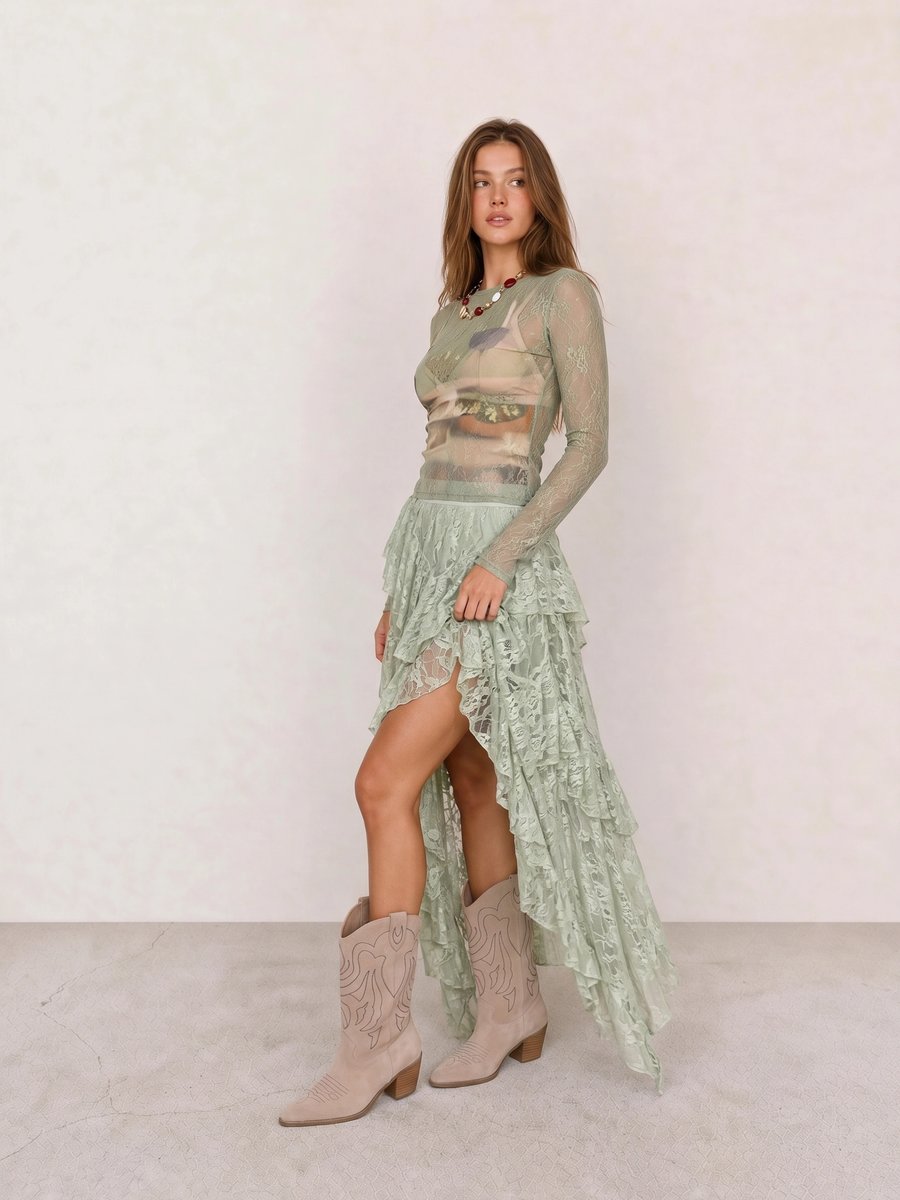
In Sage Lace Top & Ruffle Maxi Skirt with Cowboy Boots, muted rose blush makes the sage read cooler, while apricot blush brings forward its earthy side. A neutral red lipstick gives the outfit an evening focal point without forcing a bright orange or blue-red. Start with taupe or olive-bronze eyeshadow; its lower saturation respects the lace texture and keeps the face from looking disconnected from the clothing.
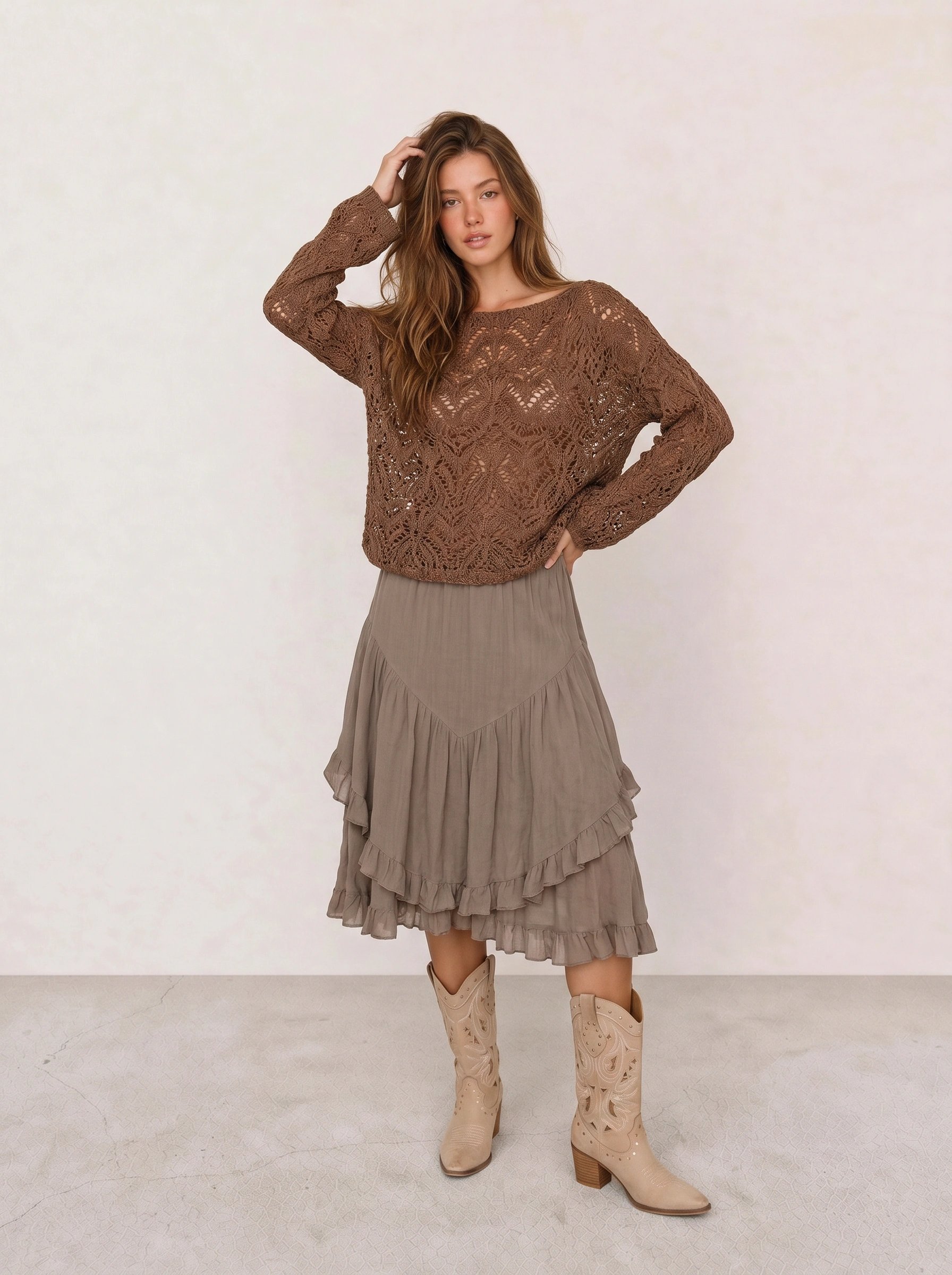
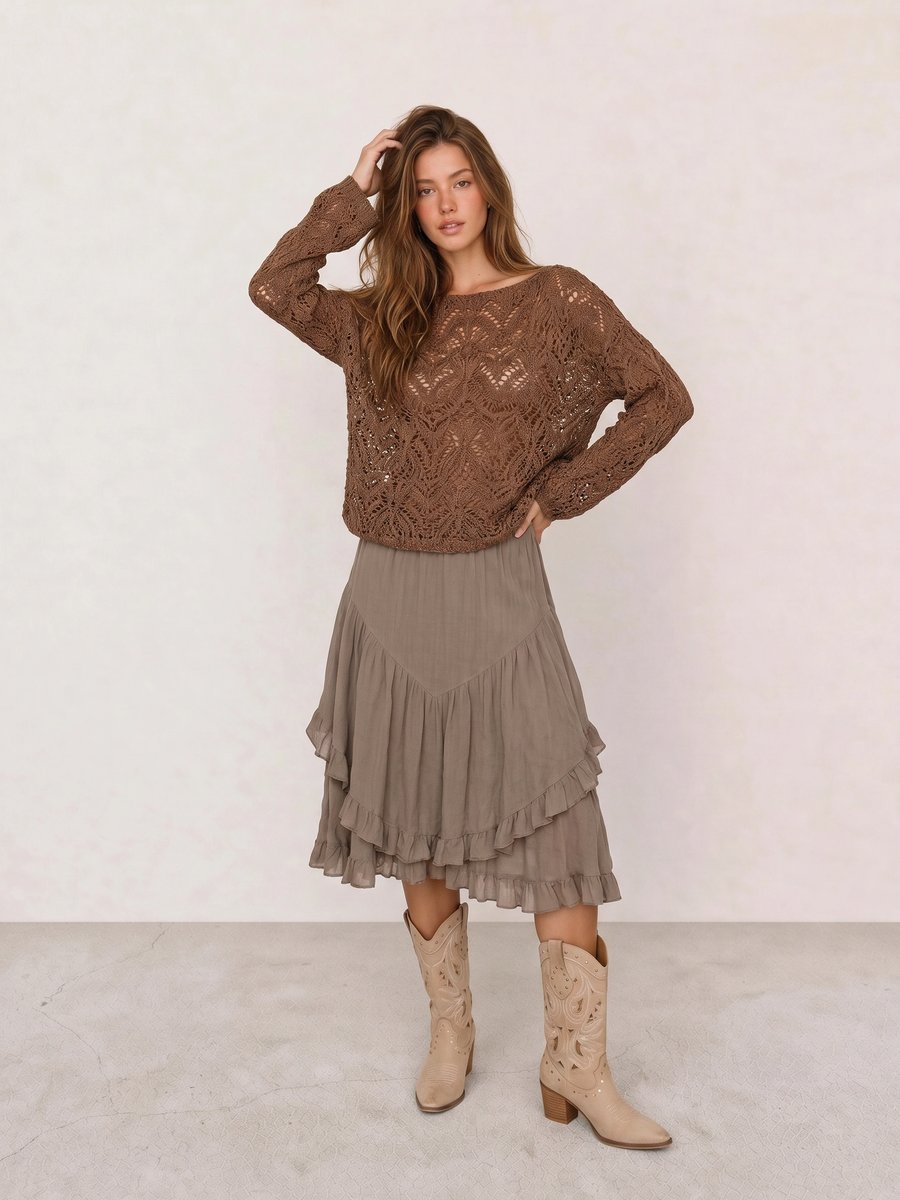
The taupe and cream in Crochet Knit Sweater & Ruffle Midi Skirt support a soft neutral makeup formula: rose beige blush, muted berry lipstick, and taupe shadow. The mechanism is saturation control. Crochet and ruffles already supply texture, so a bright lip plus high-shine eye would create too many competing focal points.
How Soft, Bright, and Deep Makeup Changes the Result
Soft, bright, and deep describe intensity, not worth. Soft colors have lower saturation or contrast: dusty rose, muted peach, mushroom taupe, and sheer berry. Bright colors have clearer chroma: vivid coral, clear pink, tomato red, and saturated violet. Deep colors bring value contrast: raisin, oxblood, espresso, charcoal, and deep plum.
Most people treat undertone as the whole decision. Intensity often changes the result more. A bright cool fuchsia can overwhelm someone who prefers low contrast, while a soft warm beige can disappear on deep skin even when its temperature is right. Compare the same family in two strengths: a natural look usually needs soft or sheer color, while an evening look can take bright pigment or deeper value in one focal area.
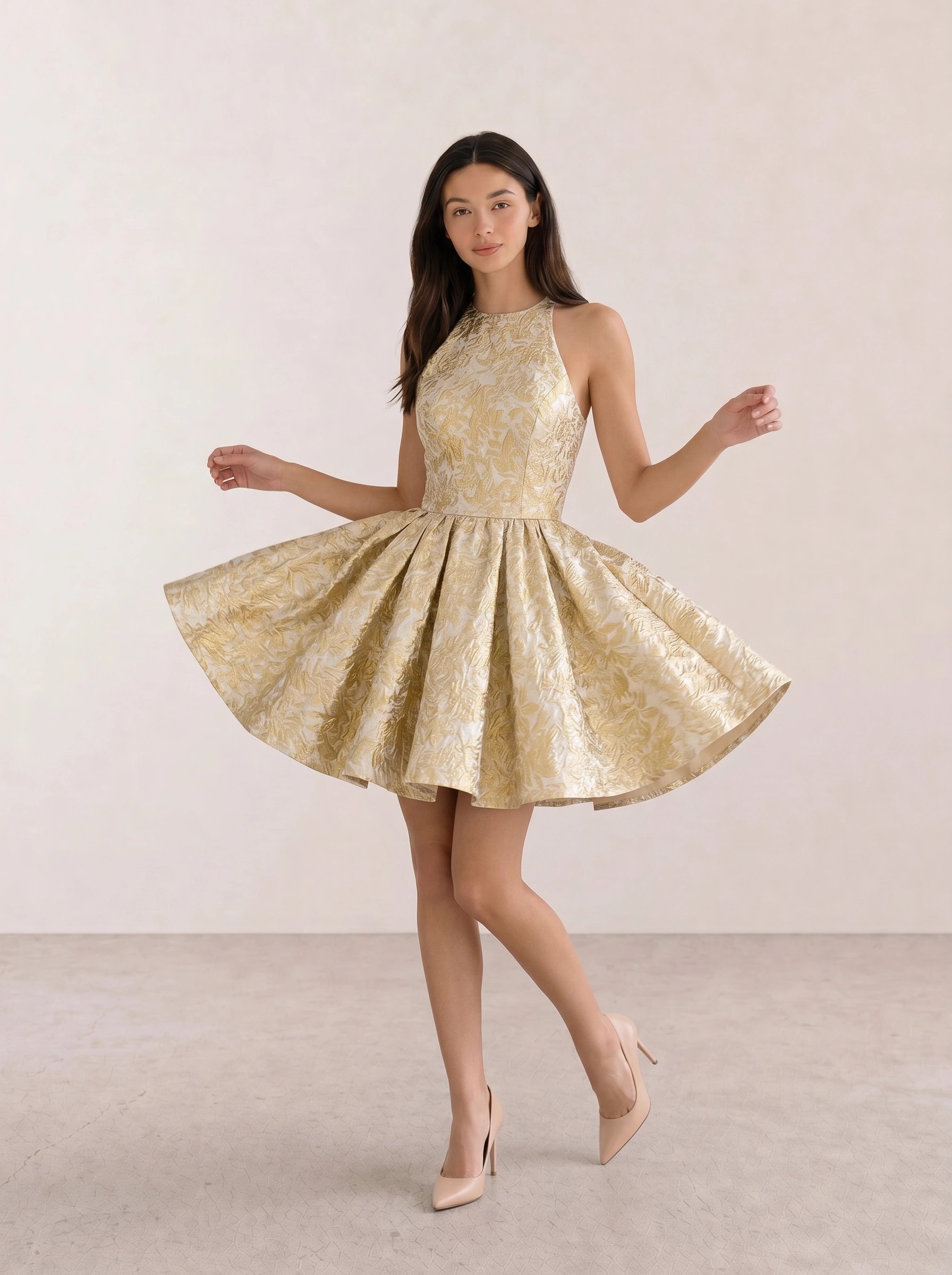
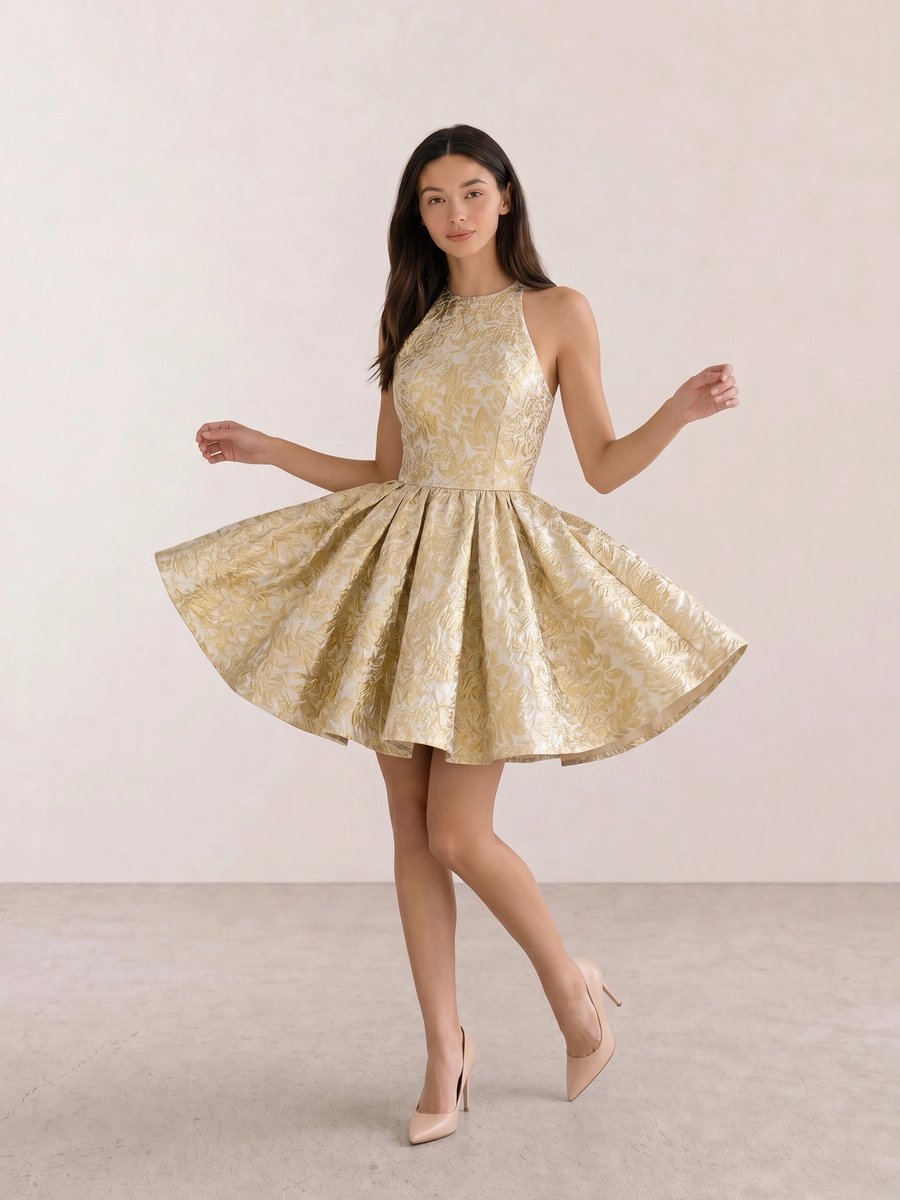
For Gold Jacquard Fit-and-Flare Mini Dress, a deep brick lip gives the evening dress one clean warm focal point. A soft peach blush and bronze wash work when the dress should lead instead. Skip a bright coral lip with dense gold jacquard unless you want deliberate high contrast; the fabric already has a strong reflective surface.
Natural vs. Evening Makeup: Change One Variable at a Time
A natural makeup look needs a color that appears connected to your face at close range. Start with a sheer blush, a lip color close to your natural lip depth, and a low-contrast shadow such as taupe, caramel, soft plum, or bronze. Natural does not mean colorless; it means the intensity stays proportional to the rest of the face.
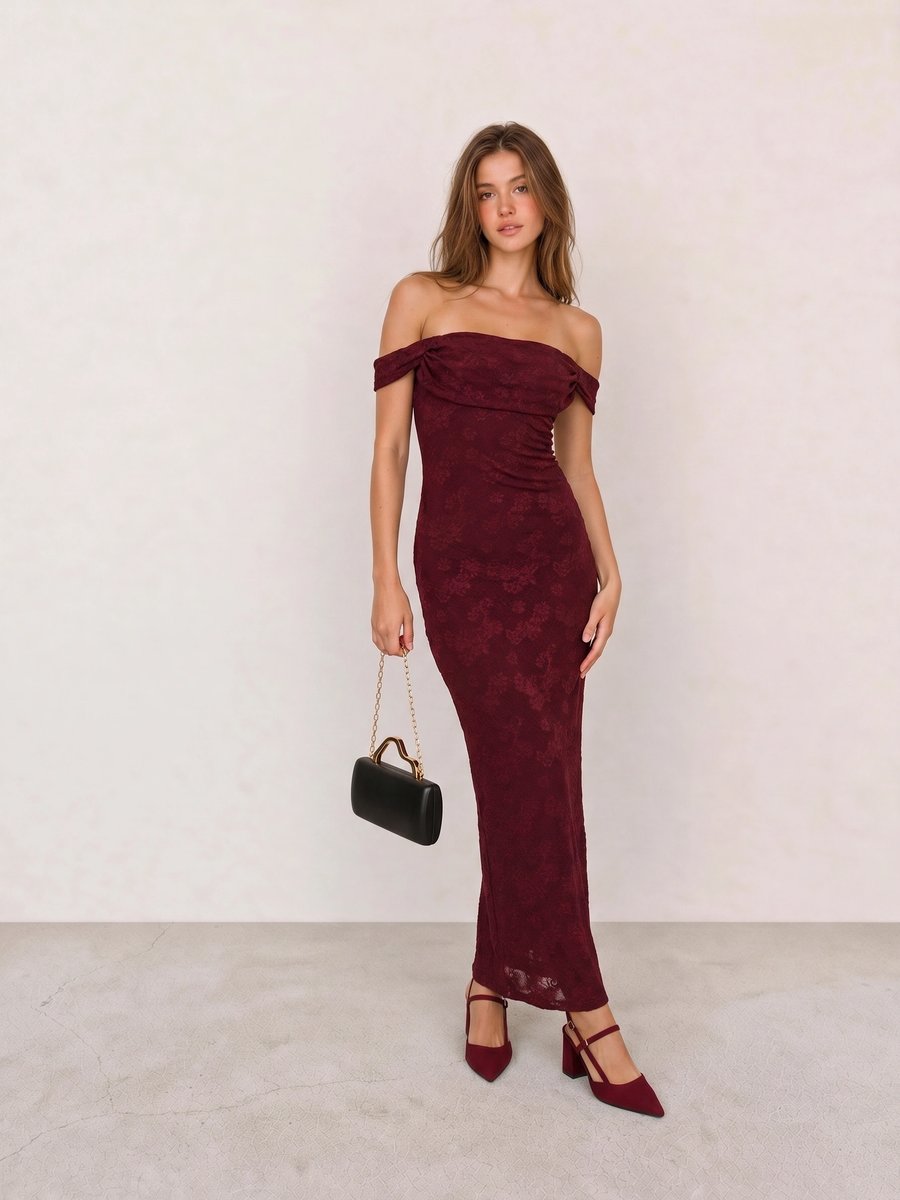
For evening, choose one escalation: a deeper lipstick, a brighter cheek, or a more defined eye. A burgundy dress can carry a berry or brick lip because the garment already supplies depth; a pale dress may need a stronger lip to prevent the face from fading in low light. Keep the other two products quieter so the comparison remains readable.
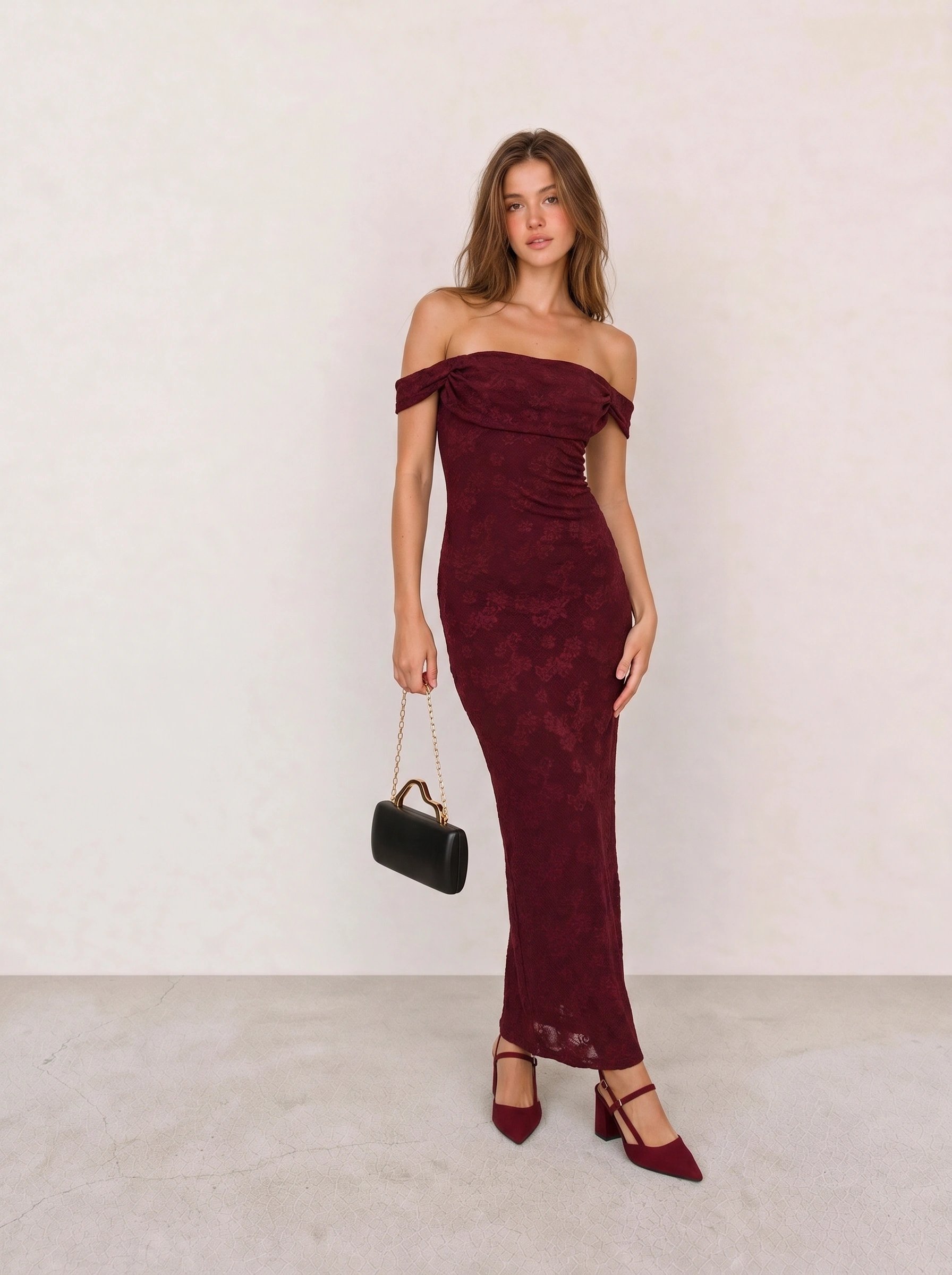
With Burgundy Off-Shoulder Floral Maxi Dress, a natural version could use rose or muted peach blush with taupe shadow. An evening version can add one deep berry, neutral red, or brick lip based on the direction you prefer. The off-shoulder neckline gives the face open space, so the lipstick reads as an intentional focal point rather than a competing detail.
Common Undertone Makeup Mistakes
Do not buy a shade only because a chart assigns it to your undertone. Skin depth, formula opacity, finish, and the colors in your outfit can change the result. Compare two nearby shades on the cheek or lips in daylight, then take a photo without a filter before deciding.
Do not use “nude” as if it were one color. A nude lip needs enough depth and the right temperature to stay visible on your complexion; a pale beige may work as a highlight on one person and read gray on another. Also avoid copying a product color from a screen without checking it in person. Screen settings and edited images alter saturation and depth.
A Makeup Shopping Guide Without Inventing a Product List
At a budget, buy one blush, one lipstick, and one neutral shadow in a finish you will actually wear, then compare temperature before collecting duplicates. At mid-range, spend on a lipstick formula you can test in daylight and an eyeshadow texture that blends to the depth you want. At luxury, pay for a color you know you will repeat with your most-worn clothing, not for a full undertone-specific kit.
Use store testers only according to the retailer’s hygiene policy and follow the product label and brand instructions. For a new cosmetic, use the maker’s stated use or patch-test directions; this color guide does not provide safety advice.
FDA cosmetic-use safety guidance recommends following cosmetic labeling and manufacturer instructions and says to stop using a cosmetic product if it causes an unexpected reaction. This article only helps compare color; it does not assess product safety, ingredients, or skin suitability.
Match Makeup to the Wider Color Direction
Test makeup beside your undertone notes and Seasonal Color Analysis, then carry the result into clothing colors and jewelry metals. A lipstick or blush can look different once the neckline and metal change.
Makeup Colors by Undertone FAQ
What blush color should I choose for warm undertones? Start with peach, apricot, warm coral, or terracotta, then choose soft, bright, or deep intensity for your skin depth and the occasion. Compare one shade in natural light before deciding that the entire color family does or does not work.
What lipstick colors suit cool undertones? Rose, raspberry, cranberry, plum, cool mauve, and blue-red are useful cool lipstick comparisons. Choose a sheer rose for a natural look or a richer berry or plum when you want one evening focal point.
Can neutral undertones wear warm and cool makeup? Yes. Compare warm and cool versions of the same depth, then use the clothing near your face and your preferred contrast level to choose. A neutral red, taupe shadow, and rose beige blush are useful starting points.
What makeup colors work for olive undertones? Olive undertones can compare muted rose, apricot, terracotta, neutral red, taupe, bronze, and olive-gold shadow. If a color looks flat, test more depth or saturation before changing its temperature direction.
Weekly outfit picks and style guides — no fluff, unsubscribe anytime.